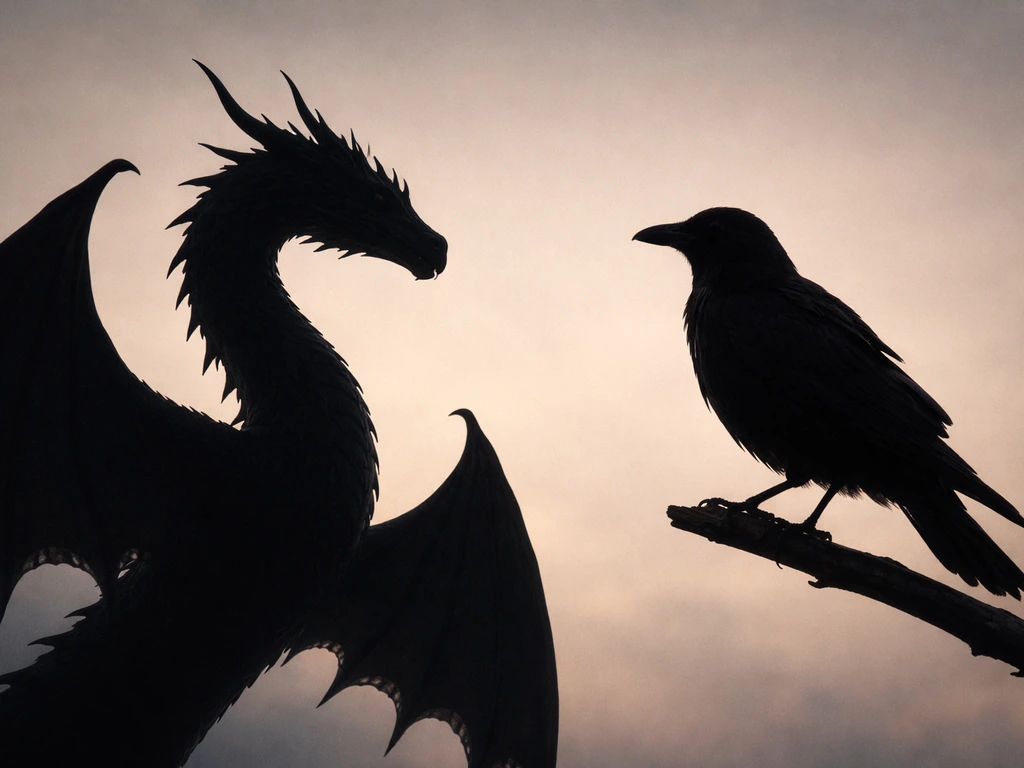
Yes, kites are birds of prey. Every bird species called a 'kite' belongs to the family Accipitridae, which is one of the core raptor families alongside hawks, eagles, and harriers. They hunt live prey, carry hooked beaks, grip with sharp talons, and sit firmly inside the same taxonomic group as the birds most people picture when they hear 'raptor.' There is no asterisk here: kites are raptors, full stop.
Is a Kite a Bird of Prey? Definitive Raptor Classification

Marcus Hendricks
4 Jun 2026
What a 'Kite' Actually Is in Bird Taxonomy
blank" rel="noopener noreferrer">The word 'kite' is a common-name umbrella, not a single genus or subfamily. It gets applied to birds across several lineages within Accipitridae, mainly the subfamilies Milvinae, Elaninae, and Perninae. Think of it less like a precise scientific label and more like how people use the word 'hawk' loosely to mean any mid-sized raptor. The name sticks to the bird because of its graceful, soaring flight style, not because it represents one tidy evolutionary branch.
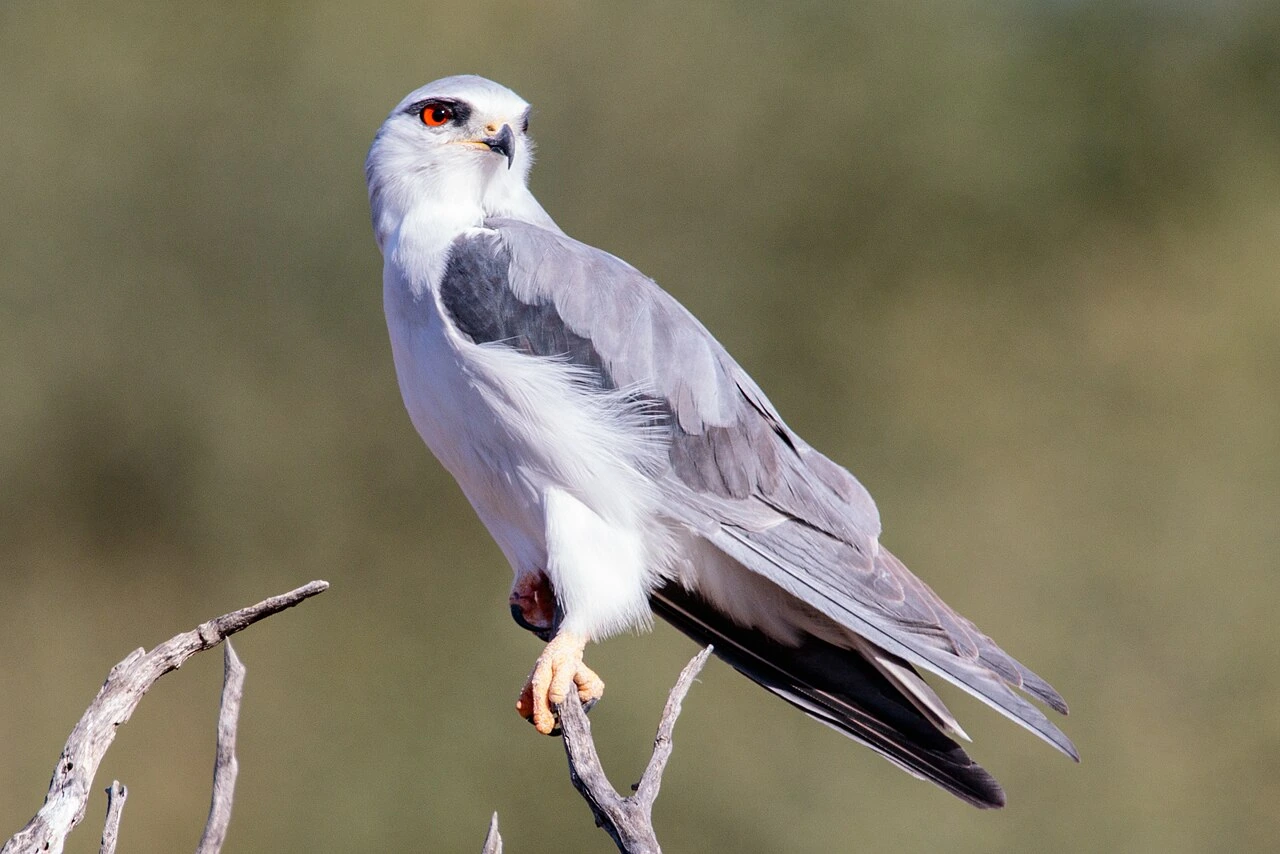
Some of the most recognizable genera that carry the 'kite' name include Milvus (Red Kite, Black Kite), Elanus (White-tailed Kite, Black-shouldered Kite), and Ictinia (Mississippi Kite). All of them are classified in Accipitridae, and the IOC World Bird List groups them directly alongside hawks and eagles under that same family. So when a field guide or taxonomy database uses the word 'kite,' it is always pointing to a diurnal bird of prey, never anything else.
Birds of Prey: What Actually Qualifies
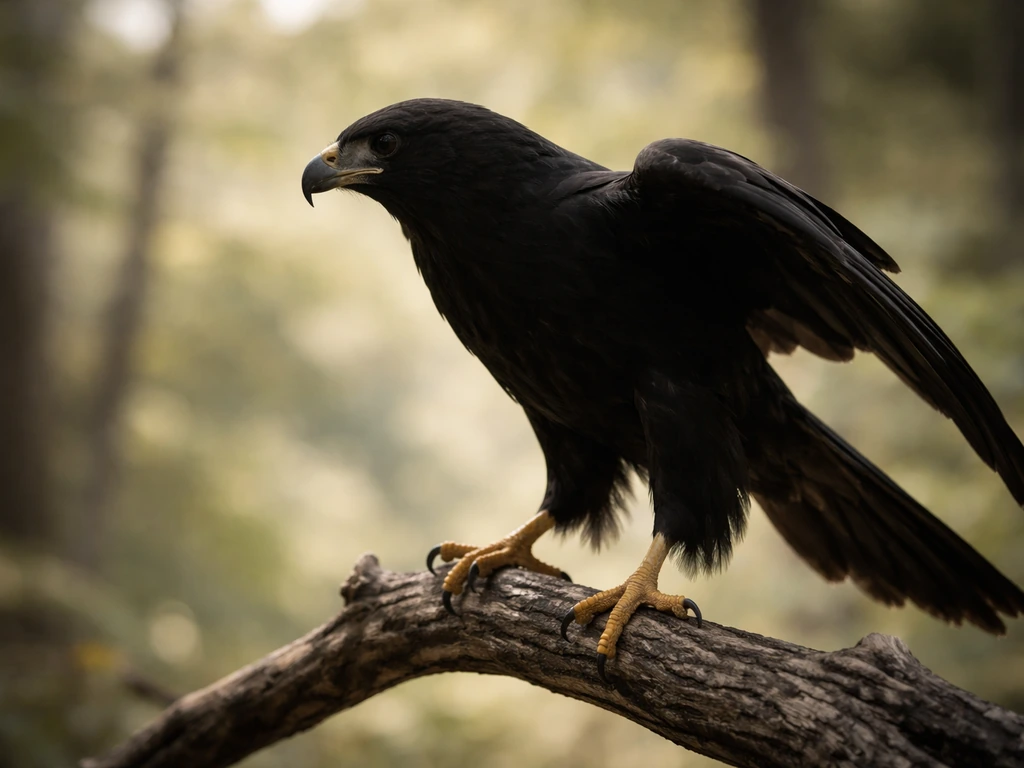
A 'bird of prey' or 'raptor' is any bird that actively pursues and kills other animals for food, using a specific set of physical tools to do it. Britannica puts it plainly: all birds of prey have hook-tipped beaks and sharp curved claws called talons. Those two features are the clearest diagnostic markers. Strong eyesight, powerful flight, and a carnivorous diet round out the profile, but the beak and talons are the things you can actually see and verify in the field or in a photo.
The main raptor families are Accipitridae (hawks, eagles, kites, harriers, and Old World vultures), Falconidae (falcons and kestrels), and Strigidae and Tytonidae (owls). There is sometimes debate about whether vultures count, since some are more scavengers than active hunters, but the core point is that birds of prey are defined by anatomy and feeding behavior rather than by how dramatic their hunting looks.
Are Kites Raptors? Yes, and Here Is Why It Is Unambiguous
Every species called a kite checks all the boxes. They have hooked beaks. They have talons. They catch prey, whether that is small mammals, insects, fish, or other vertebrates depending on the species. And they are classified in Accipitridae, which the Animal Diversity Web explicitly describes as encompassing many diurnal birds of prey. Britannica's own entry for 'kite' uses the phrase 'birds of prey' in the definition and places them squarely in accipitrid subfamilies. There is no credible scientific source that puts kites outside raptor classification.
The one thing worth noting is that 'kite' is a common-name category, not a strict monophyletic group (meaning all kites do not necessarily share a single common ancestor that is exclusive to them). Some taxonomic reshuffling happens over time, and a bird once called a kite might get renamed or reclassified within Accipitridae. The White-tailed Kite, for instance, was historically considered conspecific with the Black-shouldered Kite before being split into separate species. But these are debates about where within raptor taxonomy specific kites sit, not whether kites are raptors at all. That part is settled.
Spotting a Kite in the Field
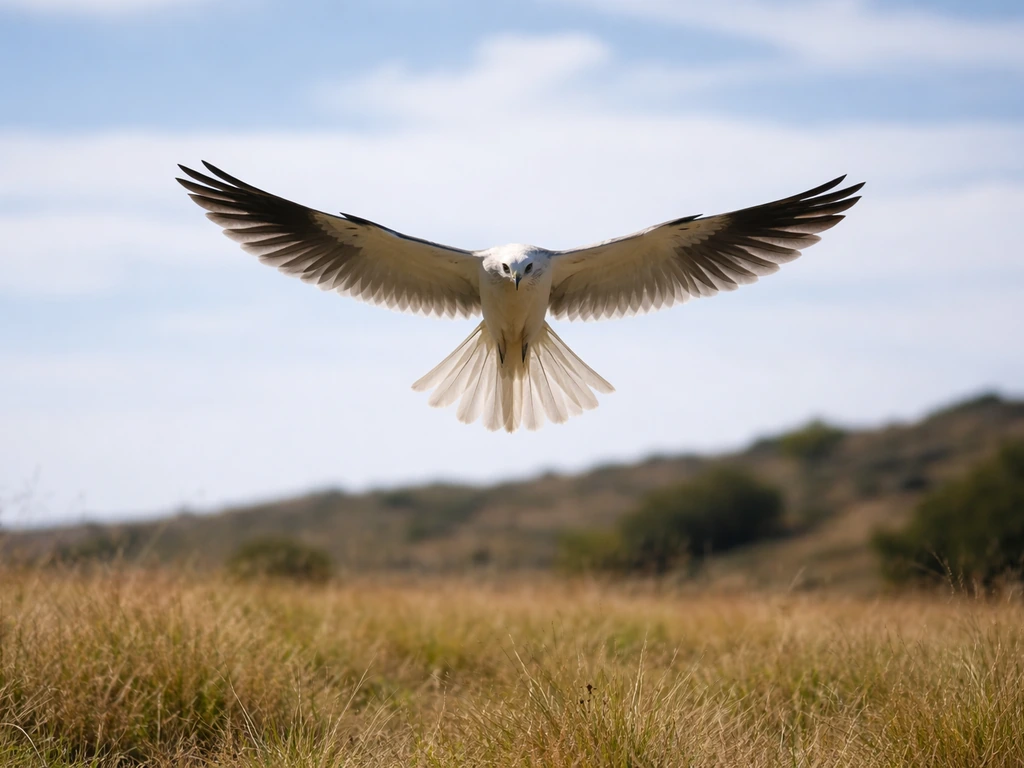
If you are trying to confirm whether a bird you are watching is a kite (and a raptor), there are some very reliable visual and behavioral cues to look for. Kites tend to be elegant, buoyant fliers, which is part of how the toy got its name in the first place.
Physical Features to Check
- Hooked beak: clearly curved at the tip, not straight like a songbird or seed-cracker
- Talons: curved, sharp claws visible when the bird lands or grabs prey
- Tail shape: varies by species but often distinctive (the Red Kite has a deeply forked rusty-orange tail that makes it essentially unmistakable; the Swallow-tailed Kite has a very long, deeply forked tail; the Mississippi Kite has a shorter, rectangular tail)
- Wing shape: long and pointed in most kites, giving them that effortless, gliding silhouette
Behavior to Watch For
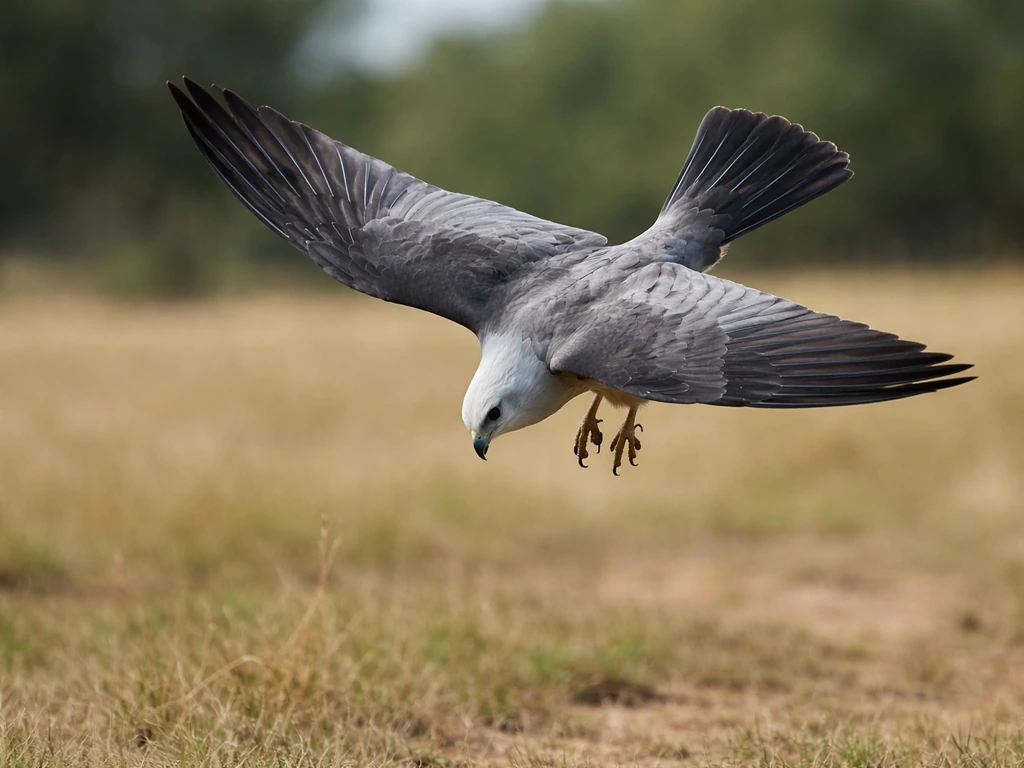
- Hovering: the White-tailed Kite is famous for pausing mid-air over open ground to scan for prey before diving, similar to how a kestrel hunts
- Soaring and gliding: kites like the Red Kite and Swallow-tailed Kite are masterful, effortless soarers, spending long periods airborne without flapping
- Active hunting: Audubon notes the White-tailed Kite dives and catches prey in its talons, which is classic raptor behavior
- Tail manipulation: the Swallow-tailed Kite continually flicks and rotates its tail during flight, a useful identification cue if you catch it in action
If the bird you are watching has a hooked beak, soars gracefully, and occasionally dives to grab something, you are almost certainly looking at a raptor. Cross-reference the tail shape and any color patterns with a regional field guide (Cornell's All About Birds or eBird work well) to pin down the exact species.
Common Mix-Ups and How to Untangle Them
The Toy Confusion
The most obvious source of internet confusion is that 'kite' also means a diamond-shaped flying toy. A Red Kite is also clearly a bird of prey, not the toy version of “kite.”. When someone searches 'is a kite a bird of prey,' there is a small chance they literally mean the toy, but there is no version of that answer where a toy qualifies as a bird. A shrew is not a bird, and it does not have raptor traits like hooked beaks or talons is a kite a bird of prey. If you meant the bird (not the toy), then yes, a kite is a bird of prey kite a bird of prey. If you are wondering whether a kingfisher counts as a bird of prey, the answer depends on definitions, but kingfishers are generally not classified as raptors is a kite a bird of prey. The bird called a kite got its name because it soars and hovers the way a kite on a string does. If you are here because you saw a bird and wondered what it was, you are already in the right territory.
Kites vs Buzzards
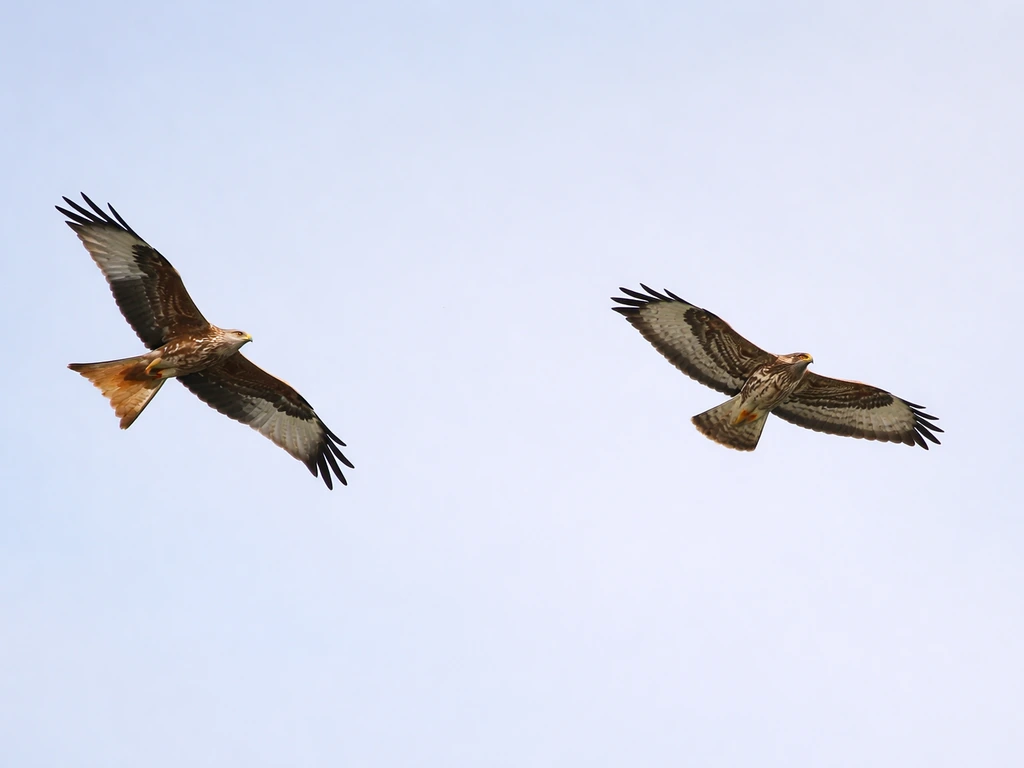
In the UK especially, Red Kites and Common Buzzards share airspace and get mixed up regularly. The key difference is the tail: a Red Kite has a deeply forked, rusty tail that is hard to mistake up close, while a buzzard has a broader, more rounded tail with a relatively straight trailing edge. Both are raptors in Accipitridae, so you are not making a classification error either way, just a species ID one.
Mississippi Kite vs Swallow-tailed Kite
In North America, people sometimes confuse these two species despite them looking quite different once you know what to check. The Mississippi Kite has a shorter, rectangular tail and a mostly gray-and-black color scheme. The Swallow-tailed Kite is much harder to miss: it is boldly black and white with a very long, deeply forked tail and floats through the air in a way that looks almost theatrical. Both are raptors in Accipitridae, and neither should be mistaken for a non-raptor.
Kites vs Kestrels and Other Hovering Raptors
Hovering behavior causes some field ID confusion between kites and kestrels, since both can hunt by pausing in the air. Kestrels are in the family Falconidae, not Accipitridae, which makes them a different branch of the raptor family tree. If you are trying to sort them out, kestrel hovering is distinctively rapid and fluttery, while a White-tailed Kite holds its hover more steadily. The kestrel question comes up often enough that it is worth looking at closely if you are unsure what you are watching. Shrikes, by the way, are sometimes called 'butcher birds' and behave a bit like small raptors, but they are songbirds, not true birds of prey. That is a good example of why behavior alone is not always enough to confirm raptor status.
Naming Quirks Within Kite Species
Because 'kite' is a common name applied across multiple accipitrid lineages, the same bird can carry different names in different countries or at different points in taxonomic history. The White-tailed Kite and Black-shouldered Kite were once considered the same species; regional guides from different eras can list the same bird under different names. This does not change the classification (both are Accipitridae raptors), but it can make cross-referencing old field guides a little messy.
A Quick Species-Level Overview
| Species / Group | Genus | Subfamily | Family | Raptor? |
|---|---|---|---|---|
| Red Kite | Milvus | Milvinae | Accipitridae | Yes |
| Black Kite | Milvus | Milvinae | Accipitridae | Yes |
| White-tailed Kite | Elanus | Elaninae | Accipitridae | Yes |
| Black-shouldered Kite | Elanus | Elaninae | Accipitridae | Yes |
| Mississippi Kite | Ictinia | Perninae (broadly) | Accipitridae | Yes |
| Swallow-tailed Kite | Elanoides | Perninae | Accipitridae | Yes |
How to Confirm What You Are Seeing
If you spotted a bird and want to verify it is a kite (and a raptor), here is a simple process that works every time.
- Check the beak in a photo or binoculars: if it hooks clearly at the tip, you are looking at a raptor
- Look at the tail shape: forked tail narrows it to kites or a few other raptors; deeply forked plus rusty-orange color is almost certainly a Red Kite
- Watch the flight style: graceful soaring with minimal flapping, or hovering over open ground, both point to a kite
- Search the species name on Cornell's All About Birds or eBird to confirm the Accipitridae family placement
- If you are in the UK, the RSPB's bird of prey ID guide is a solid quick reference for distinguishing kites from buzzards and other common raptors
Kites are genuine birds of prey with solid raptor credentials. They are not an edge case, not a borderline classification, and not just named after raptors by accident. Whether you are watching a Red Kite soaring over Welsh hillsides or a White-tailed Kite hovering over a California marsh, you are watching a fully card-carrying member of the raptor world.
FAQ
Are all birds called “kite” found in the same place taxonomically, or can the label change over time?
The “kite” common name spans multiple lineages within Accipitridae, so the name is not one single genus. Species boundaries can be revised, which means older guides might use different names for what is now treated as separate species, but the birds stay within the raptor family Accipitridae.
How can I tell the difference between a kite (Accipitridae) and a kestrel (Falconidae) if both hover?
Look for the overall hovering style. Kestrels typically do faster, more fluttery hovering, while many kites hold a steadier hover. Also note family-level cues, like body proportions and flight pattern consistency, since they are not closely related even though both hunt from the air.
If a bird has sharp claws, does that automatically mean it is a bird of prey?
Not automatically. Some non-raptors can show grasping feet or predatory-like behavior. The more reliable confirmation is a combination of raptor anatomical traits, especially a hook-tipped beak and true talons, plus hunting behavior that involves actively pursuing and killing prey.
Can kites ever be mistaken for vultures or other soaring raptors in the sky?
Yes, distant birds can look similar while soaring. Use closer cues when possible, especially tail shape and color pattern. Many vultures also rely more on scavenging than active pursuit, but behavior can be misleading at long range, so tail and underwing details are usually more dependable.
What’s the fastest field check if I only get a brief glance at the bird?
First, confirm it is a bird of prey by checking for a hooked beak and obvious talons if visible. Second, use tail shape as the short, high-signal feature (forked, deeply forked, rectangular, rounded). Third, consider flight style, buoyant and soaring for many kites.
I saw a bird that looks like a “kite” but the internet results were about the toy, how do I avoid that mix-up?
When your question is about a “kite,” the key disambiguator is whether you mean the animal or the diamond-shaped flying toy. A toy cannot be a bird of prey. If you’re looking at a live bird, focus on raptor traits (hooked beak, talons) and soaring or diving hunting behavior.
Do kingfishers count as birds of prey, or are they a different kind of hunter?
Kingfishers are predators, but they are generally not classified as raptors. Their hunting style does not place them in the typical raptor families, so “bird of prey” in the strict classification sense is usually reserved for hawks, eagles, kites, and related groups.
If I’m using an old field guide, could it label a kite differently than a modern checklist does?
Yes. Because “kite” is a common name across Accipitridae, and taxonomy changes can split or merge species, older guides may use outdated names or treat birds as conspecific. When comparing across years, rely on current family placement in Accipitridae and use range and tail pattern to reconcile the bird name.
Are there any real situations where a kite-like bird might not be a raptor?
The main risk is confusing look-alike non-raptors that imitate raptor behaviors, such as hovering or aggressive posture. That is why you should not rely on one behavior alone. Confirm at least one anatomical cue (hooked beak and talons) and then verify the tail and overall flight pattern.