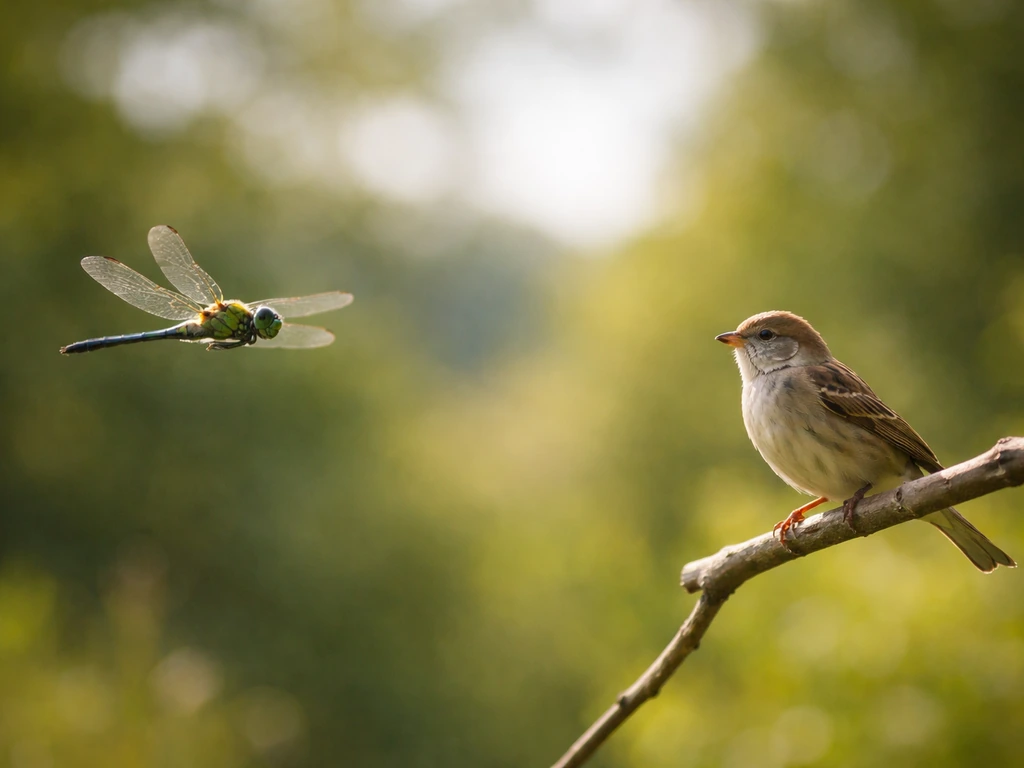
A bird is a bird because it has feathers, a toothless keratinous beak, hollow pneumatic bones, a one-way airflow respiratory system powered by air sacs, and it descended from theropod dinosaurs. That combination of traits, not just having wings or laying eggs, is what earns an animal a place in the class Aves. In other words, the category is a taxonomic group, not a single species or a single genus species or genus. Flight is not required. Looking vaguely bird-shaped is definitely not required.
Why Is a Bird a Bird? Traits, Evolution, and Confusions

Marcus Hendricks
17 Jun 2026
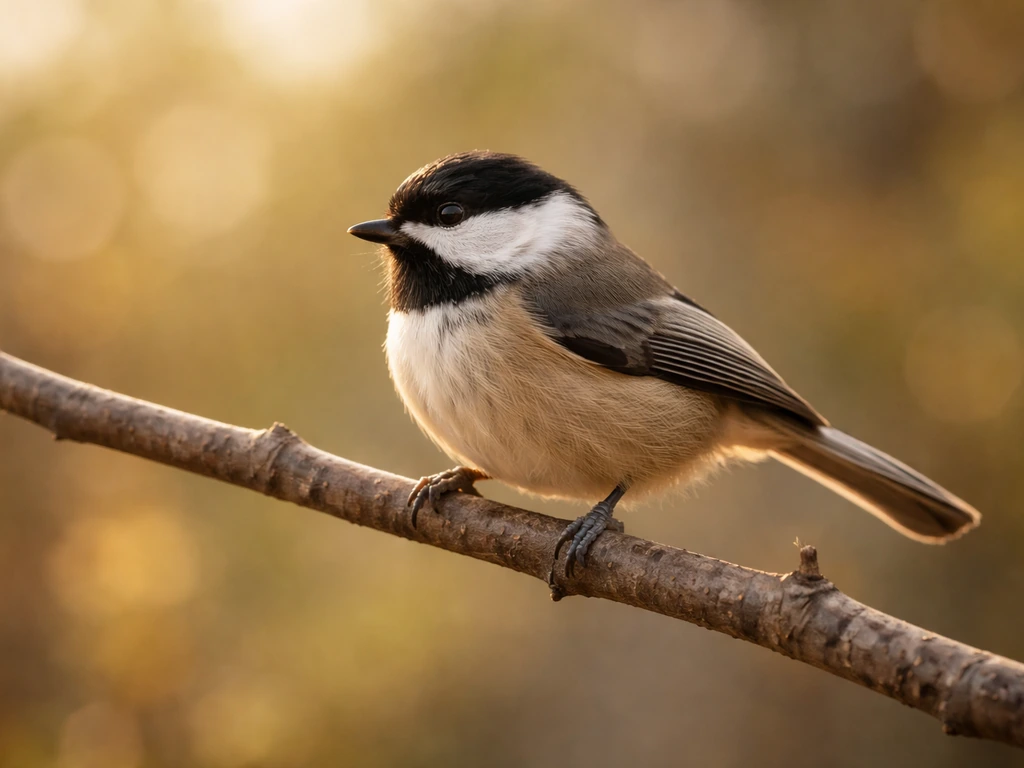
What actually makes an animal a bird
In vertebrate zoology, birds are grouped into the class Aves. The definition is biological and phylogenetic, meaning it is based on shared ancestry and shared physical traits, not on vibes. The formal way taxonomists define Aves is as a clade: a group made up of the last common ancestor of all living birds and every single one of its descendants. That sounds abstract, but in practice it means the defining question is not 'does it look like a robin?' but rather 'does it share the core character states that place it within this evolutionary lineage?'
The traits that define that lineage are not arbitrary. They are the biological markers that kept appearing together as a single group of theropod dinosaurs evolved over roughly 150 million years. Feathers are the most visible of those markers, but the full list is what actually locks in the classification. An animal has to check most or all of those boxes to belong in Aves, and critically, no amount of wing-shaped limbs or egg-laying on its own will get an animal across the line.
The physical traits checklist: feathers, beaks, skeleton, and breathing
Here is what biologists are actually looking for when they confirm something is a bird. Each of these traits is a genuine biological synapomorphy, meaning it evolved in the bird lineage and is shared across members of that group.
Feathers
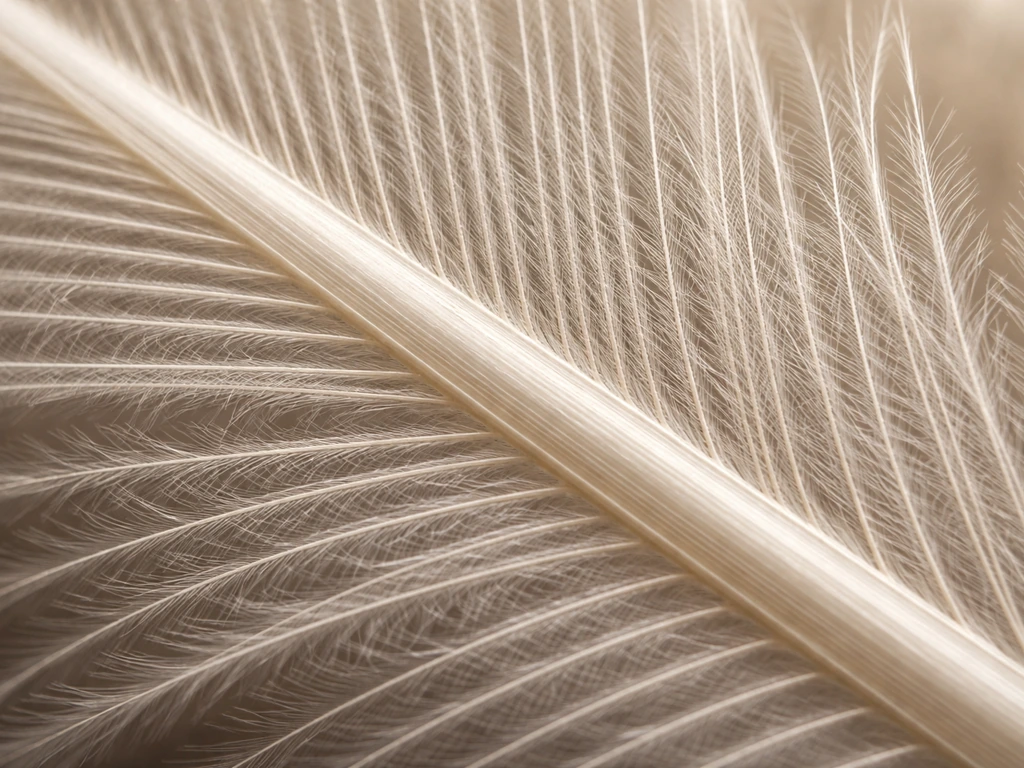
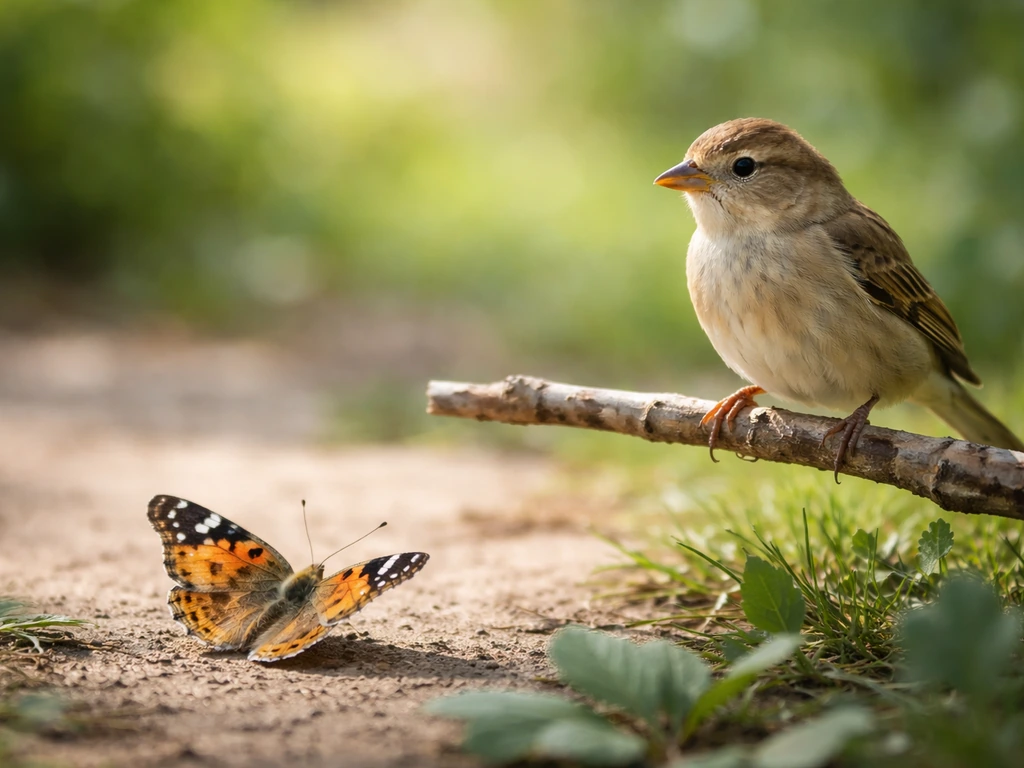
Feathers are made of beta-keratin and grow from follicles in the skin. They are structurally complex, with a central rachis, barbs, and barbules that interlock. No other living animal group has true feathers. Butterfly wing scales might look similar at a glance, but they are made of chitin, which is an entirely different biological material, and they are flat scales, not branching structures with interlocking barbs. When you see a feather, you are looking at something that only exists in Aves.
Toothless keratinous beak
Modern birds have no teeth. Instead they have a rhamphotheca, a keratinous sheath covering both the upper and lower jaw bones. Early birds like Archaeopteryx had teeth, which is part of what makes that fossil so scientifically important, but every living bird has replaced teeth with this beak structure. The beak shape varies enormously (think hummingbird versus pelican), but the underlying toothless keratin-covered jaw is universal.
Lightweight, pneumatic skeleton
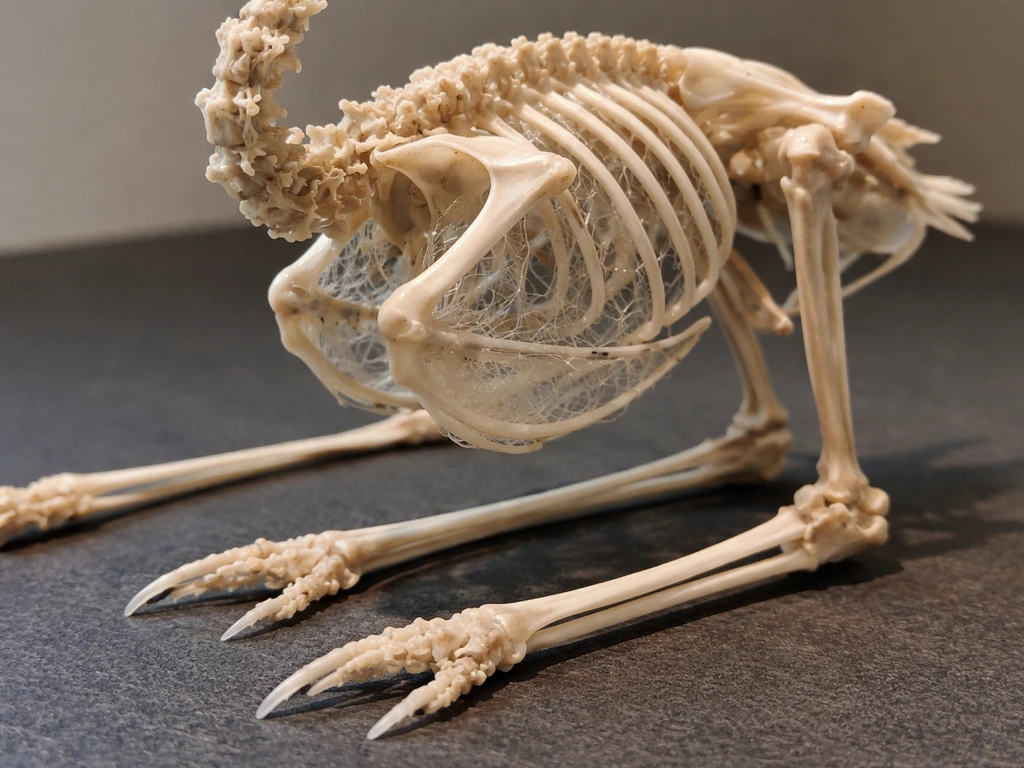
Bird bones are not just hollow in a simple way. They are pneumatized, meaning connected to the bird's respiratory air sac system, so the bones themselves contain extensions of the air sacs. The skeleton also features a fused collarbone called the furcula (wishbone), fused tail vertebrae forming a structure called the pygostyle, and in flying birds, a keeled sternum for anchoring flight muscles. Flying birds have a keeled sternum; flightless birds often have a reduced keel, but they retain the other skeletal markers. This skeletal architecture is distinctive enough that paleontologists use postcranial pneumaticity to trace the bird lineage back through the fossil record.
Unidirectional airflow respiratory system
This is the trait most people do not know about, and it is one of the most distinctive. Bird lungs are small and rigid. Air does not flow in and back out the same way it does in mammal lungs. Instead, a system of air sacs (usually nine in total) acts as bellows, pushing air through the lungs in one direction during both inhalation and exhalation. Gas exchange happens in tiny tube-like structures called parabronchi. The result is that birds extract oxygen far more efficiently than mammals do with their bidirectional, spongy lungs. This unidirectional system is directly tied to birds' famously high metabolic rates, which run roughly 12 to 15 times higher than comparable ectotherms.
Endothermy and high metabolic rate
Birds are endothermic (warm-blooded) and maintain high, stable body temperatures. Their basal metabolic rate is significantly higher than mammals of equivalent size, which demands efficient oxygen delivery, hence the respiratory system above. This metabolic intensity also drives behaviors like long-distance migration and the energy demands of powered flight.
Reproductive traits
Birds reproduce by laying amniotic eggs with hard or leathery shells. They are oviparous. This is not unique to birds (reptiles and some mammals do it too), but combined with the other traits above, it completes the package. Most birds also show significant parental investment in incubation and chick-rearing.
Birds vs non-birds that look like birds: how to tell quickly
The most common source of confusion is animals that fly or have wings. Wings do not make a bird. So, if an animal has wings, that does not automatically mean it is a bird Wings do not make a bird.. Here is a quick breakdown of the most frequently confused cases.
| Animal | Looks bird-like because... | Why it is NOT a bird |
|---|---|---|
| Bat | Flies, has wing-like forelimbs | Mammal (order Chiroptera); wings are skin membrane stretched between elongated finger bones, not feathers; nurses young with milk |
| Butterfly / moth | Wings with colorful patterns; flutters through the air | Insect; exoskeleton made of chitin, not endoskeleton; wing scales are chitin-based, not keratin feathers; six legs |
| Flying squirrel | Glides between trees | Mammal; gliding membrane (patagium) between limbs, not wings at all; fur, not feathers |
| Pterodactyl (pterosaurs) | Flew, lived alongside dinosaurs | Archosaur, not a bird or dinosaur; wings were skin membranes like bats, not feathered; extinct, no living descendants |
| Flying fish | Leaps and glides over water | Fish; pectoral fins, no feathers, no endoskeleton modifications of Aves |
The fastest on-the-spot test is feathers. If it has true feathers, it is a bird. If the wing-like structure is made of skin membrane, it is almost certainly a mammal or an extinct archosaur. If it has an exoskeleton and six legs, it is an insect. No other living animal group has evolved true feathers.
It is also worth noting that having wings is not even required to be a bird, as the next section makes very clear. If you want a fast way to decide, the key is checking for defining bird traits, not just whether it can fly having wings is not even required to be a bird. The question of whether wings alone determine bird status is one of those common misconceptions the sibling topic on 'if an animal has wings then it is a bird' tackles head-on.
Where birds come from: evolution and theropod dinosaurs
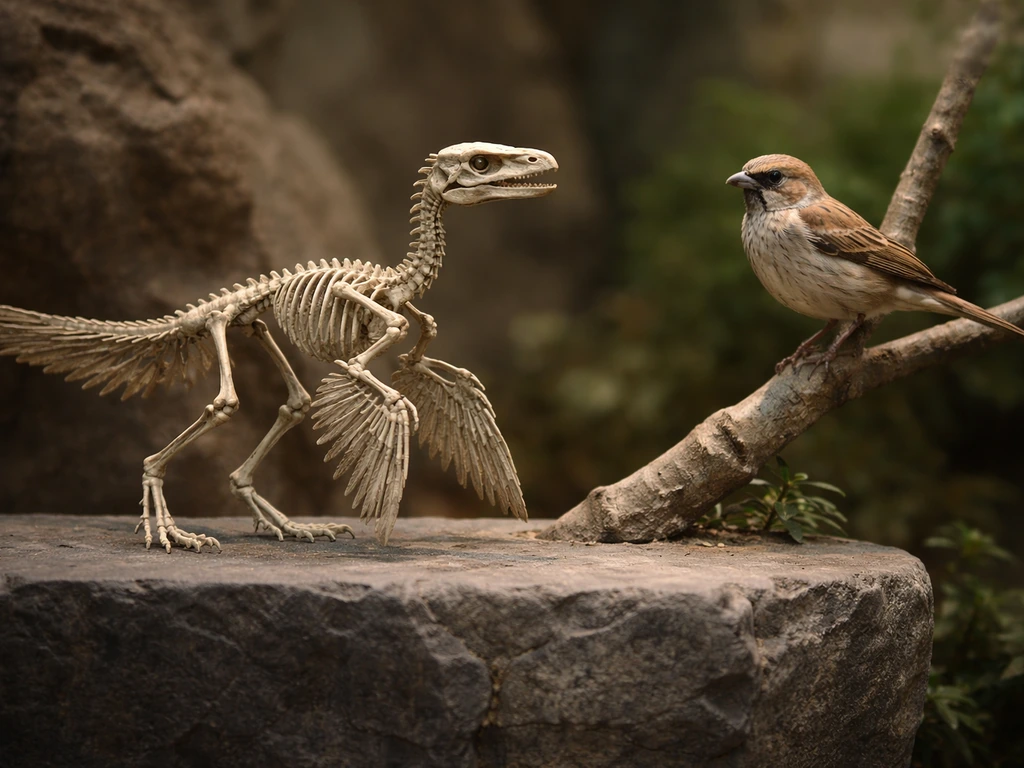
Birds are dinosaurs. That is not a figure of speech. Phylogenetically, birds are a specialized subgroup of maniraptoran theropod dinosaurs, nested within the same clade as Velociraptor and T. rex. When biologists say 'birds are living dinosaurs,' they mean it in the strict evolutionary sense: birds descended from, and are classified within, Dinosauria.
The group most directly ancestral to birds within theropods is called Avialae, which includes Archaeopteryx and all birds. Archaeopteryx, dating to about 150 million years ago in the Late Jurassic, had feathers (preserved in fossils), a wishbone, and other avian skeletal features, but it also had teeth and clawed wing fingers, traits inherited from its non-avian theropod ancestors. It sits right at the transition zone.
What the fossil record shows clearly is that feathers did not evolve for flight. Many feathered theropods (like the famous Microraptor and various oviraptorosaurs) had feathers before any of them were flying in the way modern birds do. Feathers likely evolved first for insulation or display, and flight came later. This matters for classification because 'bird-ness' is not about flight. It is about the package of derived traits that evolved in this particular dinosaur lineage.
The name Aves itself has different exact boundaries depending on whether a phylogenetic definition is node-based (crown group: the last common ancestor of all living birds and its descendants) or stem-based (everything closer to modern birds than to, say, deinonychosaurs). Scientists debate exactly where to draw that line with fossils like Archaeopteryx, but the core principle is the same: ancestry and shared derived traits, not appearance.
Edge cases: penguins, ostriches, emus, and other flightless birds
The most frequent question people ask after learning that birds are defined by more than flight is: 'But what about penguins?' Penguins are absolutely birds. They are classified in the order Sphenisciformes within Aves. They have feathers (short, dense, and waterproof ones), a keratinous beak, pneumatic bones, the avian respiratory system, and they lay eggs. Their 'wings' have been modified into stiff flippers for underwater propulsion, but they are still structurally forelimbs covered in modified feathers. Penguins lost powered aerial flight but retained every other defining bird trait.
The same logic applies to ostriches, emus, rheas, kiwis, and cassowaries, collectively known as ratites. They cannot fly. Ostriches have a reduced or absent keel on the sternum, which is the ridge that anchors flight muscles in flying birds. But they still have feathers, a toothless beak, avian skeletal features including a furcula and pygostyle, and that distinctive one-way respiratory system. Flight is one adaptation within Aves. Losing it does not remove an animal from the class.
Think of it this way: humans cannot run as fast as cheetahs, but we are still mammals. An ostrich that cannot fly is still, unambiguously, a bird. Classification is about shared ancestry and the full suite of defining traits, not a single ability.
Misconceptions, mascots, and mythical creatures: why classification ignores costume
This is where things get genuinely fun. There are quite a few fictional creatures, brand mascots, and mythological animals that people argue about online in terms of bird status. The answer in every case is the same: biological classification is phylogenetic, not aesthetic. It does not matter how bird-like something looks. The question is whether the organism has the biological character states that place it within Aves, and whether it has a real evolutionary relationship to the bird lineage.
Griffins, phoenixes, and harpies have feathers and beaks in their fictional descriptions, but they also have four limbs plus two wings (six appendages total), which no vertebrate has ever had. They are mythological constructs with no phylogenetic placement. The Mockingjay from The Hunger Games is a fictional hybrid; real hybridization happens in birds (like mule ducks and ligers are not birds), but a fictional creature's appearance does not make it classifiable.
Brand mascots like Woody Woodpecker, Tweety, or various sports team birds are based on real birds (woodpeckers and canaries, respectively), so in the sense that they are styled after real Aves species, the real animal behind the caricature is a bird. The cartoon itself is not an organism and has no classification.
The more serious edge case is extinct feathered theropods. Velociraptor, for example, was feathered but is not classified as a bird under most definitions of Aves because it sits outside the Avialae clade. It had feathers but lacked the full combination of derived avian traits. This is a great illustration of why 'has feathers' alone is not the whole definition. It is a strong indicator, but classification requires the full evidence picture.
The practical takeaway is this: when someone asks whether a creature is a bird, start with the checklist. That is the same core question as whether an animal is a bird as a species within Aves when someone asks whether a creature is a bird. Real feathers? Toothless keratinous beak?
Pneumatic bird-type skeleton? Avian respiratory system? Descended from the theropod lineage with a confirmed phylogenetic placement? If the answer to all of those is yes, it is a bird.
If the creature is fictional, mythological, or a mascot, there is no biological classification to apply. And if it just has wings but is otherwise a mammal, reptile, or insect, it is not a bird no matter how much it flies.
Your practical checklist for identifying birds vs non-birds
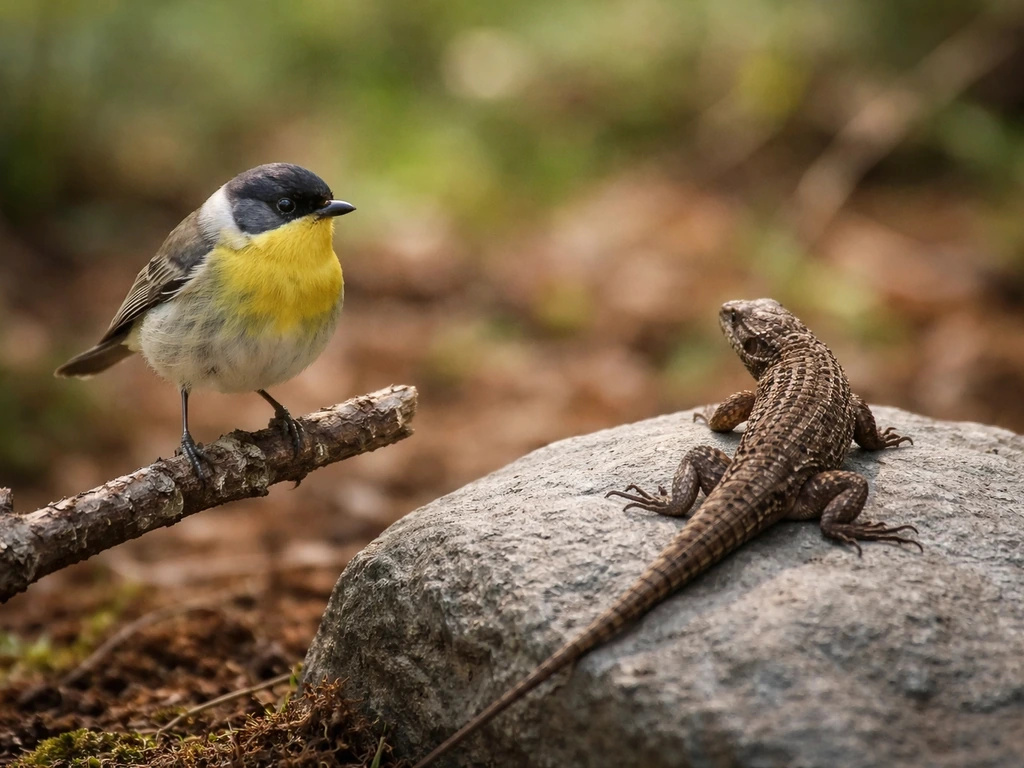
When you are genuinely unsure whether something qualifies as a bird, run through these questions in order. The first question that gets a 'no' tells you exactly where the animal falls outside Aves. So if you are asking “is bird a wild animal,” the answer is that birds are wild animals unless you mean a domesticated species kept by people.
- Does it have true feathers? (Not fur, not scales, not chitinous wing membranes: actual keratin feathers with a rachis and barbs.) If no, it is not a bird.
- Does it have a toothless, keratinous beak covering both jaw bones? If it has teeth or a different jaw structure, it may be an early bird relative or not a bird at all.
- Does it have a vertebrate internal skeleton with pneumatic (air-filled) bones and avian-specific features like a furcula and pygostyle? If no vertebrate endoskeleton, it is not a bird.
- Is it endothermic with a high metabolic rate and an avian-style unidirectional respiratory system? (This is harder to observe directly, but body temperature regulation and the presence of air sac anatomy is diagnostic.)
- Does it reproduce by laying hard or leathery-shelled eggs and show parental care behaviors consistent with Aves?
- Does its evolutionary/phylogenetic placement put it within the clade Avialae (or the crown group Aves)? For living animals, this is confirmed by checking a reliable taxonomy database like the Integrated Taxonomic Information System (ITIS) or the IOC World Bird List. For fossils, check peer-reviewed phylogenetic analyses.
For quick field confirmation with a living animal, feathers plus beak is almost always enough. No living non-bird has true feathers. If you want to go deeper, the IOC World Bird List and the Clements Checklist (used by eBird) are the most current authoritative sources for living bird species. For evolutionary questions about where birds come from and how they relate to dinosaurs, the Paleobiology Database and published phylogenetic analyses from journals like the Journal of Vertebrate Paleontology are the places to check.
The bottom line is that bird classification is genuinely rigorous and well-defined, even if the popular understanding stops at 'it flies and has a beak.' Once you understand the full trait package and the evolutionary context, questions like whether a penguin counts or whether a bat is secretly a bird become very easy to answer. Feathers, beak, skeleton, breathing, ancestry: all five boxes checked means you have a bird. This is also why people ask whether a bird is classed as an animal and the answer is yes, because birds are included in the broader animal kingdom.
FAQ
If an animal has some bird traits, like a beak, does that automatically make it a bird?
No. “Bird” is a taxonomic class, so a single feathered individual is a bird, but not every bird species is a “type of bird” with the same traits beyond the shared class-level checklist. To be a bird, the lineage must match Aves, not just the observable features of one animal.
What’s the best quick way to tell if something is not a bird when it can fly?
For living animals, not really. Most animals that people call “bird-like” but are not birds (for example, bats, pterosaurs in fossils, and many flying reptiles that are extinct) lack true feathers made of beta-keratin and lack the bird-specific combination of pneumatic bones plus the unidirectional air-sac breathing system.
Why can’t we just say every extinct feathered dinosaur is a bird?
You cannot classify extinct species reliably by appearance alone. A feathered dinosaur might or might not fall into the Aves clade depending on the full set of derived characters and where the fossil sits in phylogenetic analyses. The key uncertainty is typically skeletal and respiratory-related traits that fossils preserve only in some cases.
Does “one-way breathing” mean birds never exhale?
In classification, “one-way airflow” refers to the air moving through the lungs in a single direction via air sacs, not that the bird breathes without exhaling. Birds still expel air, but the pathway through the lungs differs from mammal tidal, bidirectional flow.
Are all flightless birds still considered birds, even without a strong breastbone?
Yes, some birds have reduced or absent flight muscles and altered keels, but they still have the other core Aves traits like pneumatic bones, the avian respiratory architecture, a keratinous beak, and an evolutionary placement within theropods. Flightlessness is an adaptation, not a category switch.
If an animal has wings that look like bird wings, how do I avoid the common mistake?
“Bird” status is based on shared ancestry and synapomorphies, so wing shape alone is not decisive. You can have wings and still be a mammal (bats) or an insect flyer, because those groups do not produce true feathers and do not have the avian skeletal and respiratory package.
If I only see feathers and beak, is that enough for a confident identification?
A good rule is: feathers and beak strongly suggest a bird, but the final confirmation is the full set of diagnostic traits. If feathers are missing in a photo or video, lighting and partial views can mislead, so look for additional markers like keratinous beak and pneumatic bone evidence when possible.
Can fictional creatures or mascots ever be “true birds” scientifically?
Fictional creatures cannot be assigned to a biological class unless you specify a real evolutionary lineage, which fiction usually does not. A mythological “bird” could be styled like a bird, but without real phylogenetic placement, it cannot be classified as Aves.
If a hybrid creature is made from a bird and a non-bird, does that change whether it is a bird?
Hybridization between real birds can happen, but the offspring are still classified within Aves because both parent lineages are birds. What does not work is using a cross between a bird and a non-bird (which is not a meaningful biological category for classification) to redefine the class.
How do I answer “is a bird a wild animal” versus “is a bird an animal”?
Yes. Birds are animals, within the animal kingdom. If you are asking about “wildness,” most bird species are wild, while domesticated birds are a subset kept by people, the same way domesticated mammals remain animals.