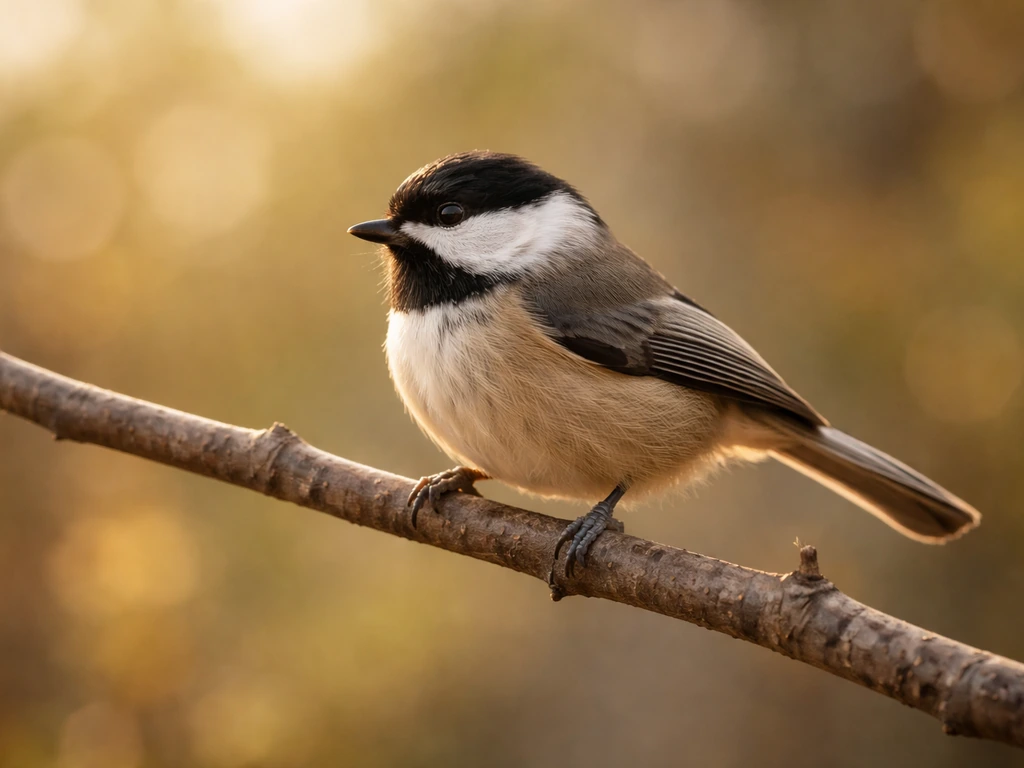
Yes, a bird is absolutely classed as an animal. Every bird species on Earth sits inside Kingdom Animalia, the same broad category that includes mammals, reptiles, fish, insects, and every other creature you'd find in a zoo or a biology textbook. More specifically, birds belong to Class Aves within that kingdom. So when someone asks whether a sparrow or an eagle is an animal, the answer is an unambiguous yes.
Is a Bird Classified as an Animal? A Simple Guide

Marcus Hendricks
10 Jul 2026
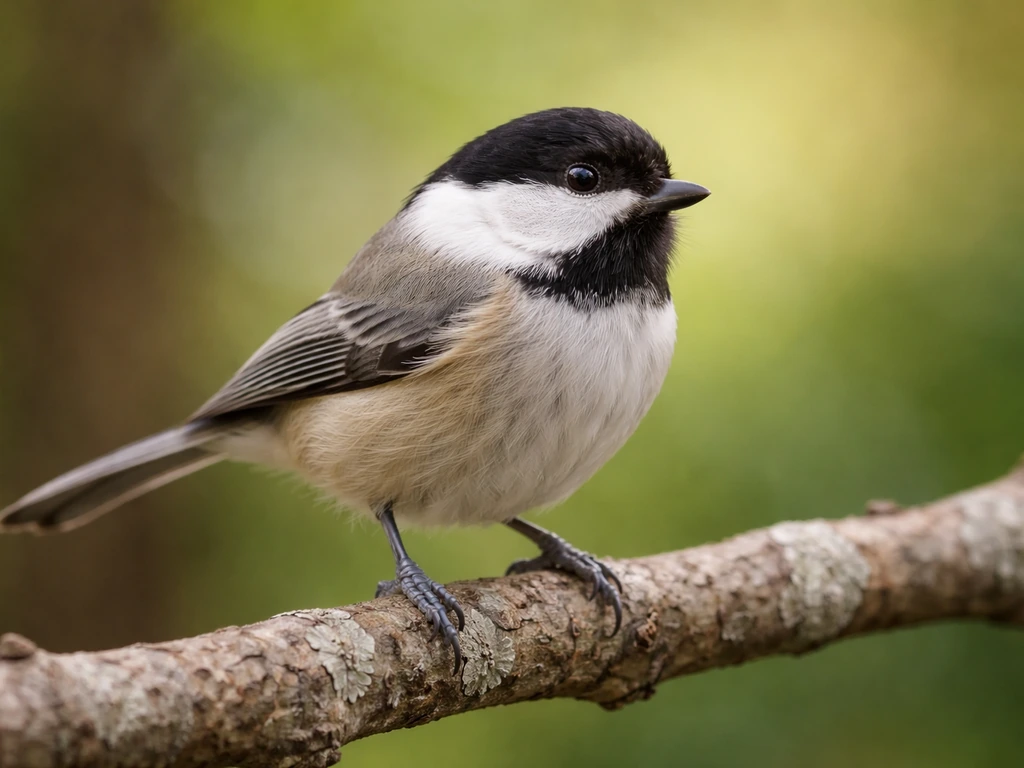
Yes, birds are animals, here's the one-line proof
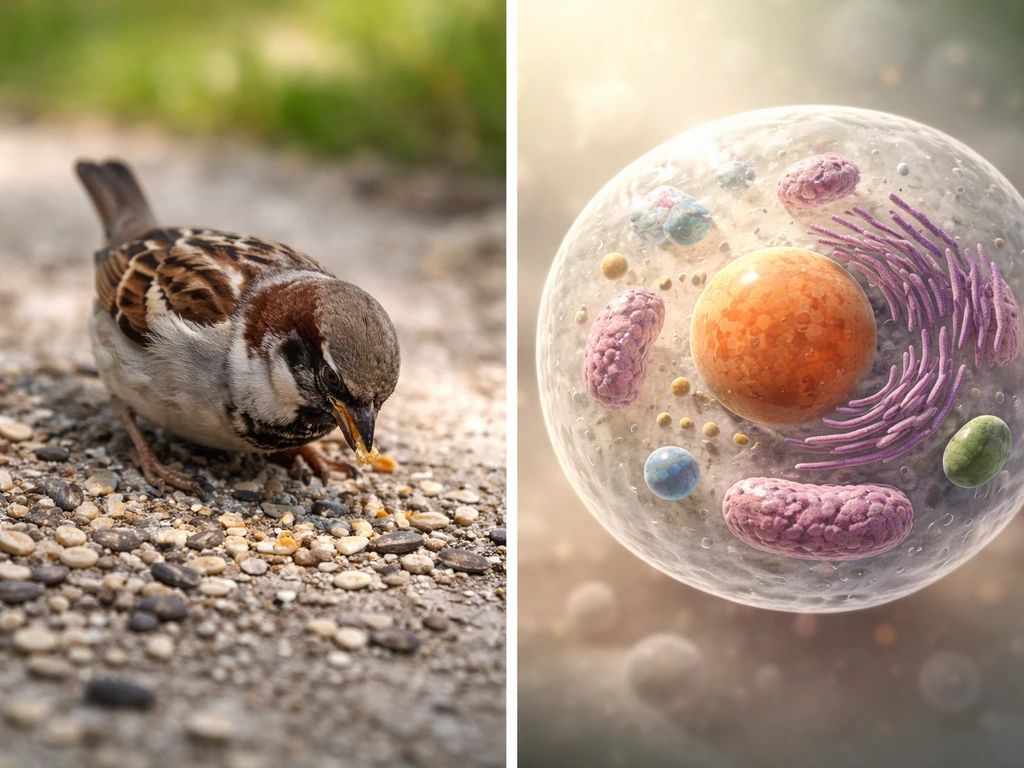
The simplest way to confirm this: birds are multicellular, they can't make their own food (they have to eat other organisms to survive), and their cells don't have rigid cell walls. Those three traits are the hallmarks of Kingdom Animalia according to the Animal Diversity Web's definition of the group. Birds tick every box. A robin eating worms, a hawk tearing into prey, a hummingbird drinking nectar, all of that is heterotrophic feeding, which is a core animal trait. Plants make their own food through photosynthesis; fungi absorb nutrients from decomposing matter; animals eat. Birds eat. Case closed.
What "animal" actually means in biology
In everyday speech, people sometimes use "animal" to mean a four-legged furry creature, which makes it sound like birds don't qualify. In biology, the word means something much broader. Kingdom Animalia (also called Metazoa) covers every multicellular organism that is heterotrophic, lacks cell walls, and is generally capable of movement at some point in its life cycle. That definition captures a staggering range of life: sponges, jellyfish, beetles, snakes, dolphins, and yes, every bird that has ever lived.
What birds are NOT in biological terms: they aren't plants (which photosynthesize and have rigid cell walls), they aren't fungi (which absorb nutrients from their environment and grow as filaments or yeasts), and they aren't bacteria or protists (single-celled organisms). The International Code of Zoological Nomenclature, which governs the formal naming of animals, defines animals as Metazoa, multicellular organisms with the characteristics above. Birds fit squarely within that definition.
Where birds sit in the full taxonomic hierarchy
Taxonomy organizes life into nested levels, each one more specific than the last. Here's how birds fit from the very top down to their own class:
| Taxonomic Rank | Name | What it includes |
|---|---|---|
| Domain | Eukaryota | All organisms with a cell nucleus |
| Kingdom | Animalia | All multicellular, heterotrophic animals |
| Phylum | Chordata | Animals with a backbone (vertebrates) plus a few close relatives |
| Subphylum | Vertebrata | Animals with a spinal column |
| Class | Aves | All birds — roughly 10,000 living species |
| Order | e.g. Passeriformes | Major groupings within birds (perching birds, raptors, etc.) |
| Family / Genus / Species | e.g. Turdus migratorius | Individual species like the American Robin |
Class Aves is where all birds live, taxonomically speaking. It sits inside Phylum Chordata alongside mammals, reptiles, amphibians, and fish, all of which also count as animals. The word "avian" is simply the adjective form of Aves, which is why you'll see it used interchangeably with "bird" in scientific and veterinary contexts. So if someone says a creature is "avian," they mean it belongs to Class Aves, which means it's both a bird and an animal at the same time.
What makes birds different from other animal classes
Being an animal is the broad category; being a bird is a much more specific one. Birds share the animal kingdom with four other vertebrate classes, and it helps to know what separates them. The defining traits of birds are well-documented, and the San Diego Zoo's bird overview highlights two of the most important ones: feathers and endothermy (being warm-blooded). No other living animal class has feathers. That single feature is enough to place a creature in Class Aves.
| Animal Class | Key Traits | Warm-Blooded? | Has Feathers? |
|---|---|---|---|
| Aves (Birds) | Feathers, beak/bill, lays eggs, two wings, hollow bones | Yes | Yes |
| Mammalia (Mammals) | Hair/fur, live birth (mostly), nurse young with milk | Yes | No |
| Reptilia (Reptiles) | Scales, ectothermic, lays eggs (mostly) | No | No |
| Amphibia (Amphibians) | Moist skin, aquatic larval stage, ectothermic | No | No |
| Actinopterygii (Ray-finned Fish) | Scales, gills, fins, aquatic | No | No |
Beyond feathers, the full suite of bird-defining characteristics includes: a beak or bill with no teeth in living species, two wings (even if modified for swimming or running), two legs, the ability to lay hard- or soft-shelled eggs, a lightweight skeleton with hollow bones, and a four-chambered heart. Not every bird can fly, penguins, ostriches, and emus are flightless, but they all have feathers and the rest of the structural package that defines Aves. Wings alone don't make something a bird, which matters a lot when we get to common mix-ups.
Why people get confused: the mix-ups worth clearing up
A lot of the confusion around bird classification comes from either stretching the word "animal" too narrowly, or assuming that any winged or egg-laying creature must be a bird. Neither is correct. Here are the most common mix-ups this site deals with regularly.
Creatures with wings that are NOT birds
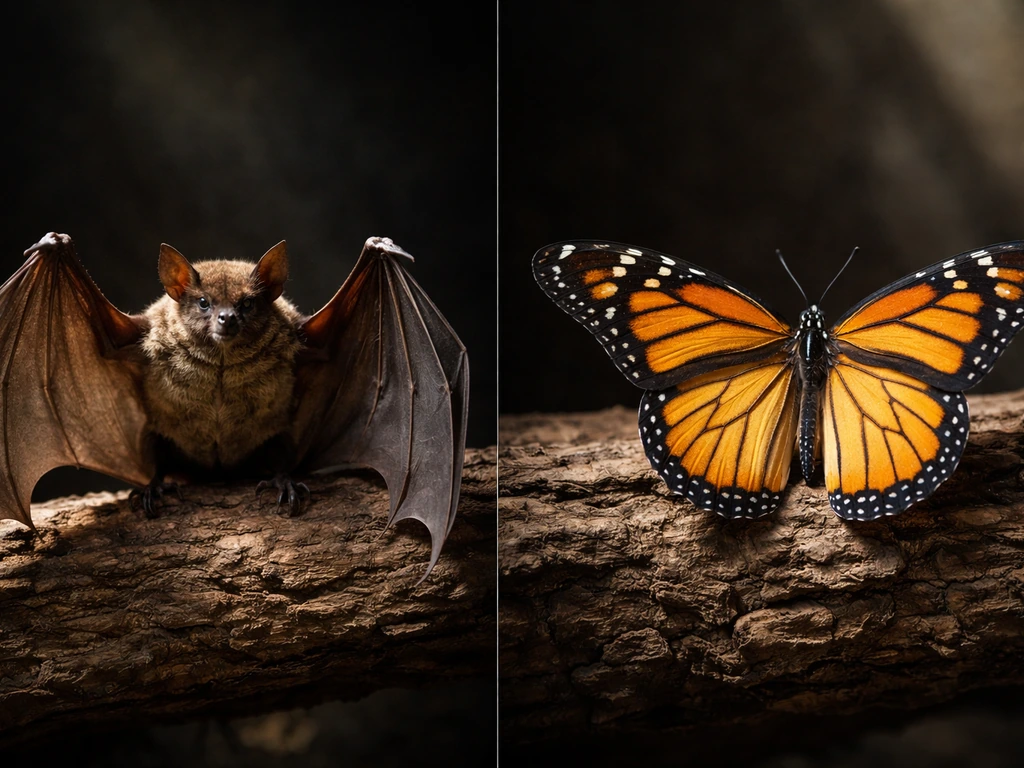
- Bats: mammals with wings made of skin stretched over elongated finger bones, not feathers. They nurse their young with milk.
- Butterflies and moths: insects with scaled wings. Insects belong to Phylum Arthropoda, nowhere near Aves.
- Flying squirrels and sugar gliders: mammals that glide using skin flaps called a patagium, not wings.
- Pterosaurs: extinct flying reptiles often mistaken for prehistoric birds. They had no feathers (some had fuzz-like filaments) and belong to a separate reptile lineage.
- Dragons and griffins: mythological, not real. Not classified anywhere in taxonomy.
Creatures that lay eggs but are NOT birds
- Reptiles: snakes, lizards, turtles, and crocodilians all lay eggs but are ectothermic (cold-blooded) and have scales, not feathers.
- Monotremes: the platypus and echidnas are mammals that lay eggs, which surprises a lot of people. They're still mammals because they have fur and nurse young with milk.
- Fish and amphibians: most lay eggs in water, but they have gills or moist skin and no feathers.
"Birds" that aren't real birds
Popular culture muddies the waters constantly. The Mockingjay from The Hunger Games, the Twitter/X bird logo, and the Angry Birds characters are all bird-shaped icons, not taxonomic birds. T-Rex gets brought up constantly in online debates because birds are technically the living descendants of theropod dinosaurs, which is a real evolutionary relationship, but calling T-Rex a bird today would be like calling a crocodile a bird because they share a common archosaur ancestor. Taxonomic classification is about shared derived traits in living lineages, not just ancestry. And for the record: bees are not birds, despite the rhyme.
The "bird vs. wild animal" confusion
Some people think "animal" only applies to wild creatures, or only to mammals kept as pets. This is a cultural usage, not a biological one. In biology, your pet budgerigar is an animal. A chicken bred for eggs is an animal. The hummingbird outside your window is an animal. The word doesn't change based on domestication status or habitat. Whether a bird is wild or domesticated is a separate question from whether it's an animal, and it's always an animal.
How to check if something is a bird yourself
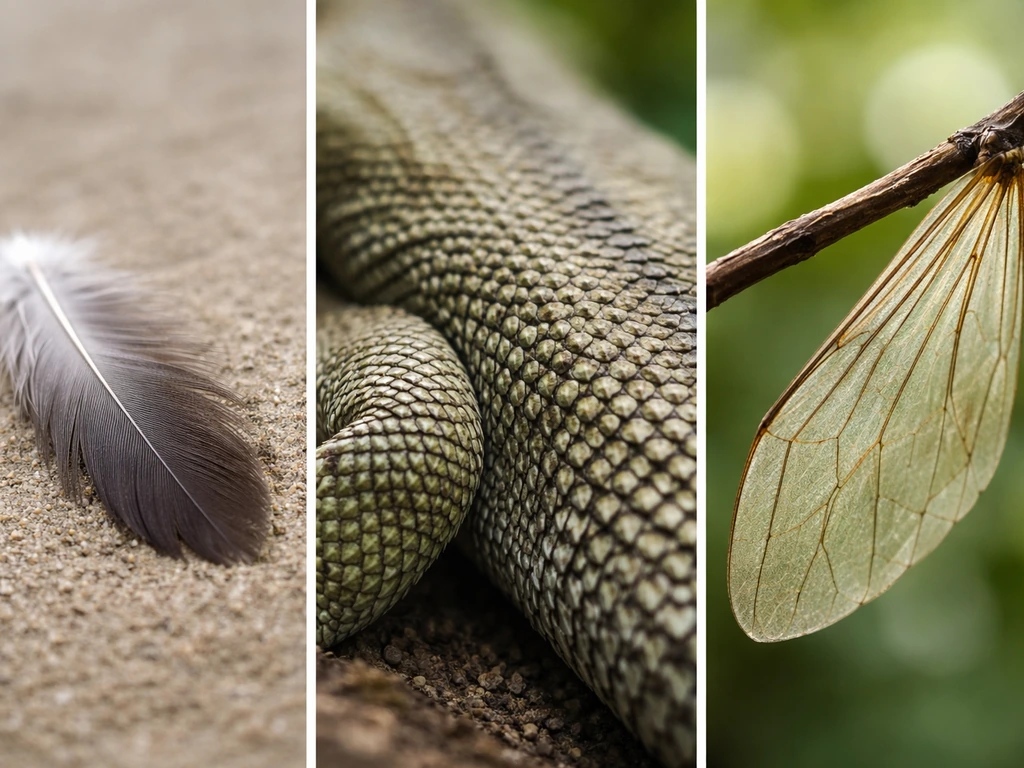
If you're ever genuinely unsure whether a creature counts as a bird, run through this quick checklist. If you’re really asking, “when is a bird a birb,” this checklist helps you tell real birds from just bird-like things. You don't need a science degree, you just need to look at what the creature actually has.
- Look for feathers. This is the single most reliable indicator. No other living animal has true feathers. If it has feathers, it's a bird.
- Check for a beak or bill. Birds have keratin beaks with no teeth (in living species). If it has teeth and scales, it's a reptile.
- Count the limbs. Birds have exactly four limbs: two wings and two legs. Insects have six, arachnids have eight.
- Look at reproduction. Birds lay amniotic eggs with a hard or leathery shell. Combined with feathers and a beak, this confirms Class Aves.
- Check whether it's warm-blooded. Birds maintain a constant body temperature internally. This isn't always easy to observe directly, but it's part of the package.
- Look up the scientific name. If you can identify the species, search its scientific name alongside "Class Aves" or check a resource like the Integrated Taxonomic Information System (ITIS) or the Cornell Lab of Ornithology's eBird database. If its taxonomic class is listed as Aves, it's a bird and therefore an animal.
For everyday situations, the feathers test alone is enough. Saw something with feathers? It's a bird. It's also an animal. Both statements are true at the same time. The word "bird" is just a more specific label sitting inside the broader category of "animal," the same way "oak" is a specific type of plant. Knowing this makes a lot of internet classification debates much easier to settle.
Making sense of everyday labels like "avian" and "animal"
You'll sometimes hear birds described as "avian" in veterinary or news contexts, avian flu, avian influenza, avian wildlife. "Avian" just means "relating to birds" and comes directly from the Latin "avis" (bird), the root of Class Aves. It doesn't replace the word "animal"; it narrows it. A bird is simultaneously an animal, a vertebrate, a chordate, and an avian creature. These labels aren't competing, they're nested.
In pet and legal contexts, "animal" is sometimes used specifically to contrast with "human," which can make people think birds are in a different category. They're not. In biology, humans are animals too (Class Mammalia), and so are birds. In our animal wiki guides, we answer questions like “is a bird an animal?” and explain how classification works birds belong in the animal column. If you're filling out a vet form, registering an exotic pet, or answering a quiz question about animal classification, birds belong in the animal column every single time. There's no edge case, no ambiguity, and no real debate among biologists. Birds are animals, they're vertebrates, and they're the only living members of Class Aves.
FAQ
Are all birds animals, including extinct species like dinosaurs?
If the dinosaur lineage leads to birds in Class Aves, then the living members are animals, but “dinosaur” is not a modern animal label. In classification, you only call something a bird if it has the derived bird traits and belongs to Aves, even though birds evolved from theropod dinosaurs.
Is an egg or a chick considered an animal before it hatches or after it hatches?
An egg itself is not an animal, it is an animal’s reproductive product. Once the chick hatches and becomes a living organism with bird traits, it is an animal (Class Aves) in the same way adult birds are.
What about featherless birds, like kiwis, are they still animals and still birds?
Yes. Being a bird is not about having visible feathers on the outside only. Feathers (even if sparse, reduced, or not flight feathers) are the key bird trait, and kiwis are still classified in Aves, so they are also animals.
Do birds qualify as animals if they are very small, like hummingbirds, or if they mostly drink nectar?
Size or diet choice does not change their classification. Birds are animals because they are multicellular organisms with heterotrophic feeding, and hummingbirds still eat by consuming food produced by other organisms.
Are animals only “wild” creatures, so is a caged canary an animal?
In biological classification, domestication does not change the category. A canary in a cage is still an animal, specifically a bird within Class Aves.
If something lays eggs but does not have feathers, is it automatically a bird?
No. Egg-laying alone is not enough to make a creature a bird. Birds are recognized by a package of traits such as feathers and other core Aves features, so reptiles and other egg-layers can be animals without being birds.
Do birds count as animals for school quizzes if the question uses the broad word “animal”?
Yes, birds should be marked as animals on any standard biology quiz that uses “animal” in its scientific sense. The nested labels (animal, vertebrate, chordate, avian, Aves) all stay true at the same time.
Is a bird considered an animal in veterinary or legal paperwork?
Typically yes. In most practical contexts that ask you to classify “animal vs human,” birds fall under the animal category, even when the paperwork also uses “avian” to indicate a bird-specific case.
Are fish that eat insects “animals,” and does that affect whether birds are animals?
Fish are animals too, but it does not affect the answer about birds. Birds are animals based on their own biological traits, not on what other creatures eat or how the ecosystem is arranged.
How can I quickly decide whether a winged creature is a bird or something else?
Start with the strongest discriminator: feathers. If you can confirm feathers, it is a bird. If there are no feathers, treat it as a look-alike (for example, bats have fur instead of feathers), because wing shape alone is not reliable for classification.