That's the short version. If you need a bit more depth to settle a debate, distinguish a real bird from a look-alike, or just understand why penguins and ostriches still count, keep reading.
The traits that make a bird a bird
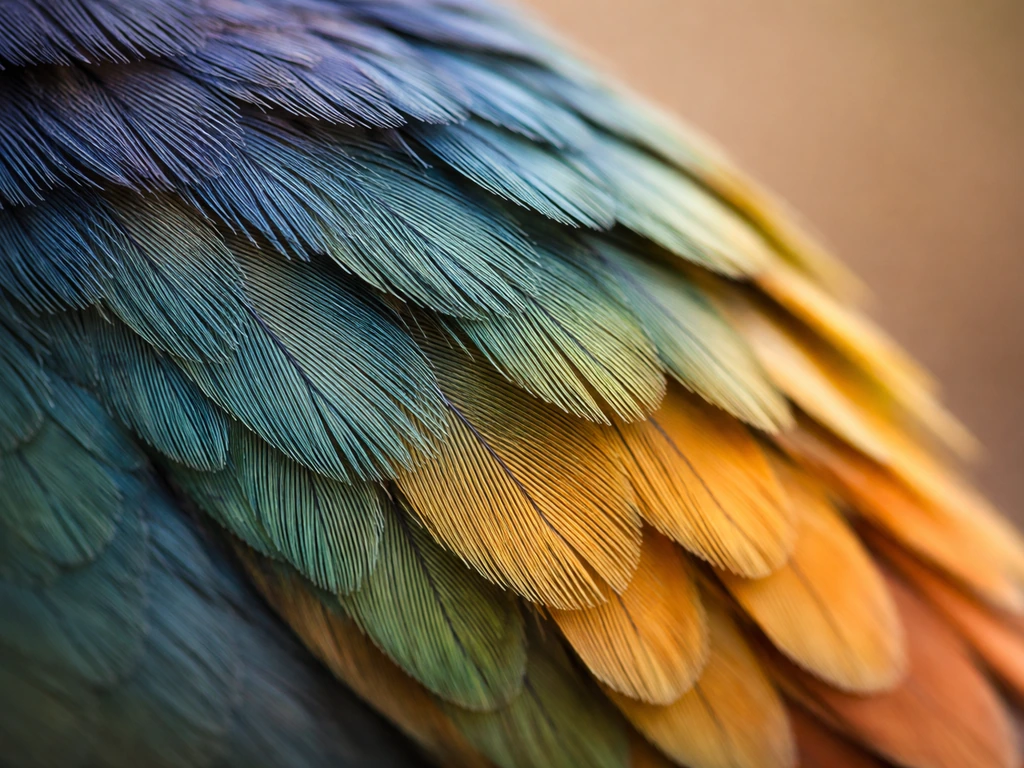
The Smithsonian puts it plainly: the one characteristic that truly sets birds apart from every other animal is feathers. But feathers don't work alone. When taxonomists confirm an animal is a bird, they're looking at a consistent package of traits that appear together. Here's what that package looks like in practical terms:
- Feathers: The absolute deal-breaker. No feathers, no bird. Even flightless birds have them, and even birds that look scaly on their legs have feathers covering most of their body.
- A beak with no teeth: Modern birds don't have teeth. Their jaws are covered in a keratinous bill or beak, shaped by diet (hooked for raptors, flat for ducks, pointed for woodpeckers).
- Wings: All birds have wings, even if some can't fly. The wing structure is a modified forelimb, and it's present across every bird species alive today.
- Hard-shelled eggs: Birds reproduce by laying eggs with a hard, calcified shell. The parents nearly always incubate those eggs.
- Warm-blooded (endothermic): Birds regulate their own body temperature internally, the same way mammals do.
- Four-chambered heart: Shared with mammals, this is a more efficient circulatory design than what reptiles have.
- Lightweight skeleton: Most bird bones are hollow and connected to a system of air sacs, reducing weight without sacrificing strength.
If you're trying to work out what makes an animal a bird, run through that checklist. In practice, the first three, feathers, a beak, and wings, are the ones you can spot with your eyes. The physiology (four-chambered heart, endothermy) is confirmed in the lab or through taxonomy, not by looking at the animal in your backyard.
Where birds sit in the animal family tree
Taxonomy is the system scientists use to organize all living things by their evolutionary relationships. Understanding where birds slot in makes the "what type of animal" question a lot easier to answer, especially when someone tries to tell you a bat is a bird or a pterosaur counts.
Here's the bird lineage in plain language, from broadest to most specific:
- Kingdom: Animalia (all animals)
- Phylum: Chordata (animals with a backbone)
- Class: Aves (birds specifically)
- Order: e.g., Passeriformes (songbirds), Sphenisciformes (penguins), Galliformes (chickens, turkeys)
- Family, Genus, Species: e.g., Gallus gallus (the red junglefowl, ancestor of the domestic chicken)
Class Aves is the critical rank here. It's the official scientific grouping for every living bird species on earth, and understanding what animal class is a bird is the fastest way to cut through any confusion. blank" rel="noopener noreferrer">If an animal is classified under Aves in an authoritative database, it's a bird. Full stop.
Now, here's where it gets genuinely interesting: birds are actually living dinosaurs, in the technical evolutionary sense. Fossil and genetic evidence confirms that birds descended from a group of maniraptoran theropod dinosaurs within the broader group Coelurosauria. The famous early fossil Archaeopteryx sits right at that boundary, showing features of both non-avian dinosaurs and modern birds. Feathers themselves evolved in dinosaurs before flight ever appeared, which is why feathers are so central to how scientists trace bird origins. So if anyone asks whether birds are related to dinosaurs, the answer is: birds don't just share an ancestor with dinosaurs. Birds ARE dinosaurs, biologically speaking.
Birds vs. animals that look like birds but aren't
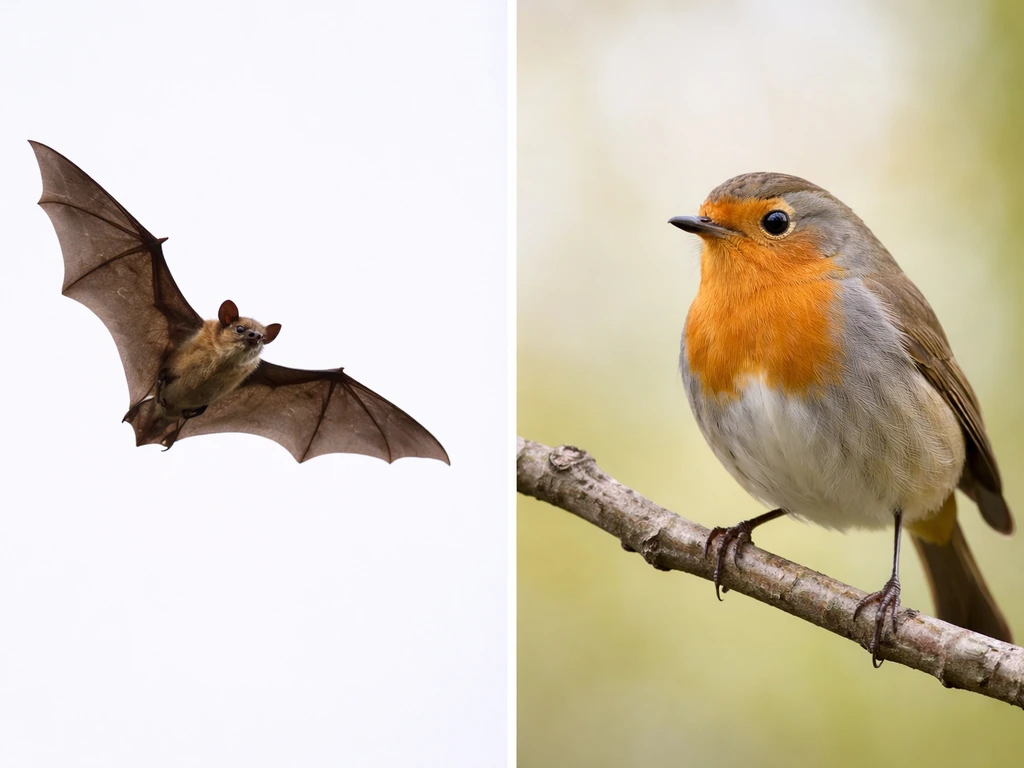
This is where most of the confusion happens. There are several animals (and a few prehistoric creatures) that people regularly mix up with birds, either because they fly, because they have similar body shapes, or because pop culture has blurred the lines. Let's clear them up.
Bats
Bats fly, which trips a lot of people up. But bats are mammals, not birds. They nurse their young with milk, they don't have feathers (they have fur), their wings are made of a thin skin membrane stretched over elongated finger bones, and they give birth to live young rather than laying eggs. None of those things match the bird checklist. Bats are warm-blooded vertebrates like birds, but that's about where the overlap ends.
Pterosaurs
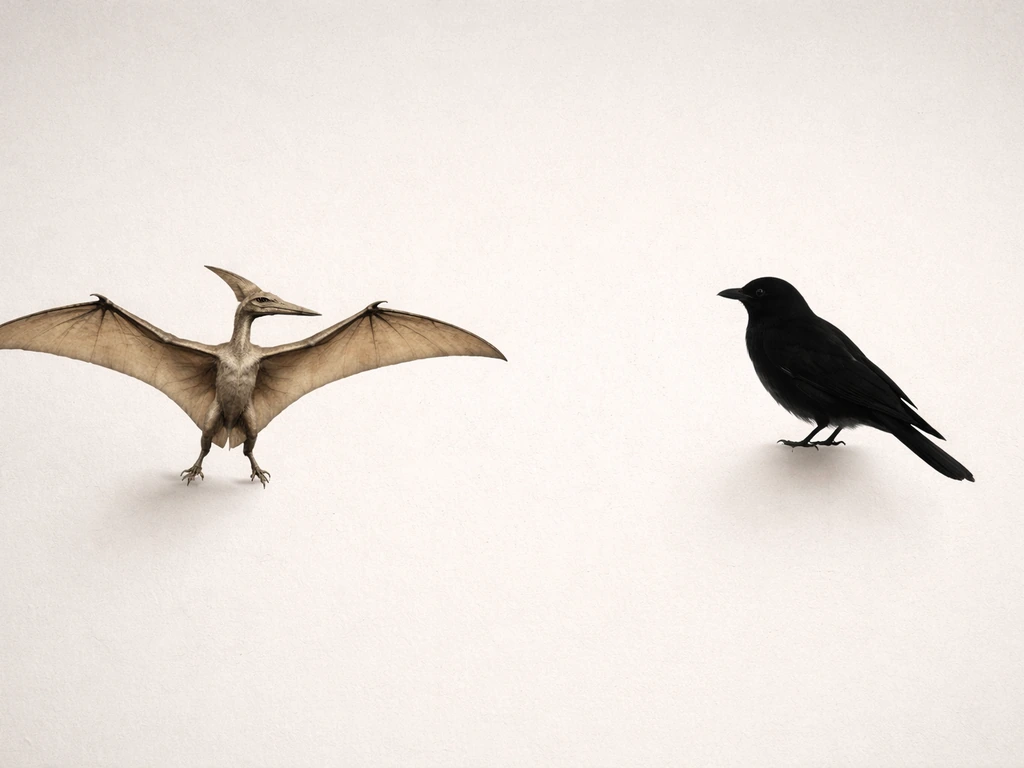
Pterosaurs (including the popular pterodactyl) are probably the most common prehistoric mix-up. They flew, they lived alongside dinosaurs, and they look vaguely bird-like in illustrations. But pterosaurs are not birds and are not even dinosaurs. They were a separate group of flying reptiles called archosaurs. The critical giveaway: pterosaur wings were made of a leathery skin membrane, not feathers. No feathers means no bird, no matter how convincingly they're drawn swooping over a volcano. Pterosaurs also went extinct at the end of the Cretaceous period, while birds survived and diversified.
Chickens and other domestic fowl
People occasionally wonder about chickens because they seem so far removed from the idea of a "typical" bird. Chickens are absolutely birds. The domestic chicken descends from the red junglefowl (Gallus gallus) and is classified under Order Galliformes, Class Aves. They have feathers, beaks, wings (vestigial for flight in many breeds), lay hard-shelled eggs, and hit every other point on the bird checklist. The comb and wattles are distinctive features of the species, but they don't change the classification.
| Animal | Has Feathers | Has Beak | Lays Hard Eggs | Warm-Blooded | Class |
|---|
| Robin (songbird) | Yes | Yes | Yes | Yes | Aves (bird) |
| Penguin | Yes | Yes | Yes | Yes | Aves (bird) |
| Ostrich | Yes | Yes | Yes | Yes | Aves (bird) |
| Chicken | Yes | Yes | Yes | Yes | Aves (bird) |
| Bat | No (fur) | No | No (live birth) | Yes | Mammalia (mammal) |
| Pterosaur | No (skin membrane) | Varies | Soft-shelled | Uncertain | Reptilia (extinct reptile) |
| Flying squirrel | No (fur) | No | No (live birth) | Yes | Mammalia (mammal) |
Edge cases and animals people get wrong
Some of the most interesting "is this a bird?" debates come from animals that do something unexpected for their group, or from fictional creatures and brand mascots that look bird-like. Here's how to handle the trickiest ones.
Penguins (flightless but 100% bird)
Penguins are one of the most common sources of the "but they can't fly, so are they really birds? " debate. Yes, they are birds. Penguins belong to Order Sphenisciformes, Class Aves, and they check every box: feathers (actually quite dense and waterproof), a beak, wings (modified into flippers), warm-blooded physiology, hard-shelled eggs.
The flight question is a red herring. Only a small fraction of bird species are flightless, and flightlessness doesn't revoke bird status. Penguin wings evolved for swimming rather than air flight, and their bones are actually heavier and more solid than flying birds (the opposite of the hollow-bone rule you'd expect), specifically as an adaptation for diving. The traits changed in service of a new environment, but the birds themselves are still squarely within Aves.
Ostriches, emus, and other flightless birds
Same principle applies here. Ostriches are the largest living birds on earth, reaching up to 9 feet tall and 320 pounds, and they can't fly. They still have feathers, wings, beaks, and lay hard-shelled eggs (the largest eggs of any living bird). The inability to fly is an evolutionary adaptation, not a disqualification from being a bird. If you want to dig into what animal category is a bird belongs to, flightless species like ostriches make the answer even clearer: the category is defined by biology, not behavior.
The hoatzin (a bird that's genuinely weird)
The hoatzin is a chicken-sized bird from South America, and it's a legitimate head-scratcher even for people who know birds well. Hoatzin chicks hatch with functional claws on each wing, which they use to grip branches and escape predators before they can fly. Adult hoatzins use a unique digestive system (foregut fermentation, more like a cow than a bird) to break down leaves. None of this makes them non-birds. They have feathers, beaks, wings, lay eggs, and are classified fully within Aves. The hoatzin is just proof that evolution gets creative within a group.
Mythical creatures and brand mascots
This one comes up more often than you'd expect in search results. The Phoenix, the Mockingjay from The Hunger Games, Toucan Sam, the Twitter bird, the Aflac duck: these are fictional or stylized characters based on real bird types, but they aren't animals at all. When you search "is [mascot] a bird," the honest answer is that the character is designed to look like a real bird (a toucan, a mockingbird, a mallard), but it doesn't have a biological classification.
If you're debating whether the real animal the character is based on counts as a bird, go back to the trait checklist and look up the actual species. The mascot debate is a pop culture question, not a taxonomy one. Similarly, bird is an animal or not is a question with a clear scientific answer regardless of how a cartoon portrays one.
How to verify if a specific animal is a bird
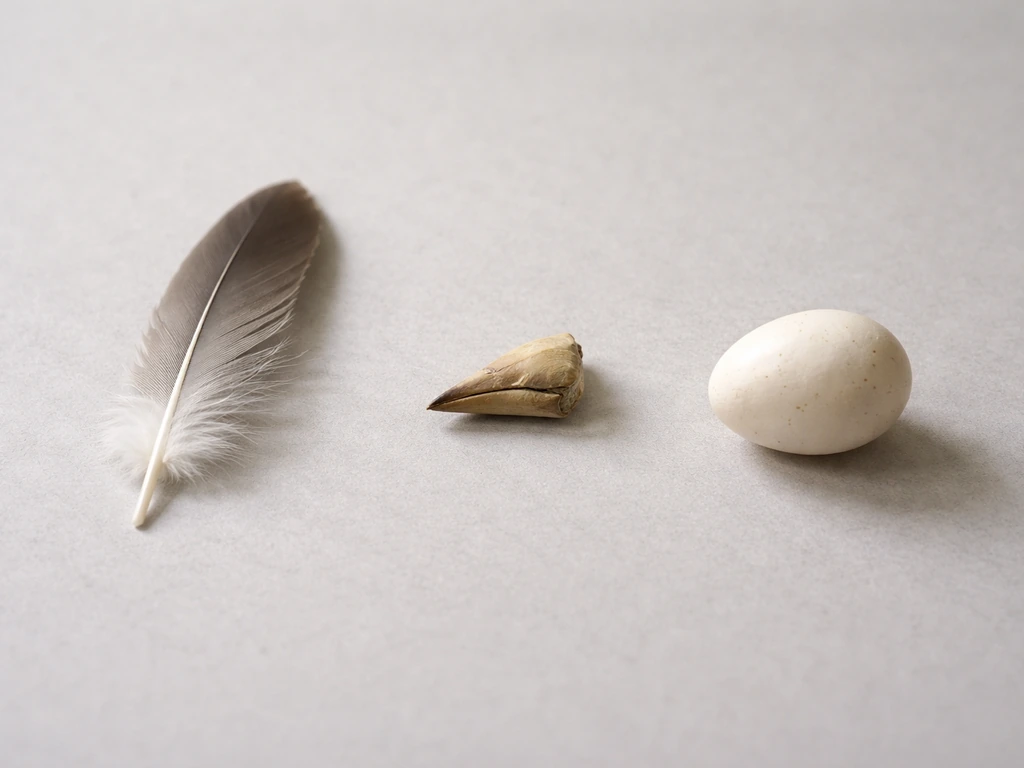
If you're staring at an animal (real or in a photo) and want to confirm its classification, here's a practical process you can run through right now:
- Check for feathers first. This is the fastest filter. If an animal has feathers, it is a bird. If it doesn't, it isn't (no living non-bird has feathers).
- Look for a beak and wings. These should both be present. Wings may be reduced or flipper-like (penguins), but they're there.
- Look up the common name in an authoritative database. NCBI Taxonomy and GBIF both provide full classification hierarchies for known species. Search the animal's name and check whether "Class: Aves" appears in its taxonomy.
- Cross-check with a wildlife database like the USFWS taxonomic tree or Animal Diversity Web (ADW). These list the full taxonomic rank from Kingdom down to Species.
- If it's a fictional creature or mascot, identify the real animal it's modeled after (if any), then look up that real species. The fictional version has no taxonomy.
- When in doubt, focus on feathers. No other living animal group has them. If there are feathers, you have a bird.
One thing worth knowing: bird taxonomy isn't completely frozen. Scientists continue to update and refine the classification of Aves as new genetic and fossil evidence comes in. Authoritative databases like NCBI update their bird taxonomy to reflect current research, so if you're checking a specific order or family, it's worth verifying against a current database entry rather than a textbook from 15 years ago. The core class Aves is stable, but which orders and families sit where can shift.
The bottom line is this: birds are a well-defined biological group, and the criteria for membership are actually pretty clear once you know what to look for. Feathers are the anchor, taxonomy is the confirmation, and anything without feathers (no matter how much it flies or looks the part) is not a bird. If you want to go deeper into the classification system itself, exploring bird is an animal or not from a taxonomy angle is a good next step, and checking an authoritative source like GBIF or NCBI will give you the verified class placement for any species you're curious about.