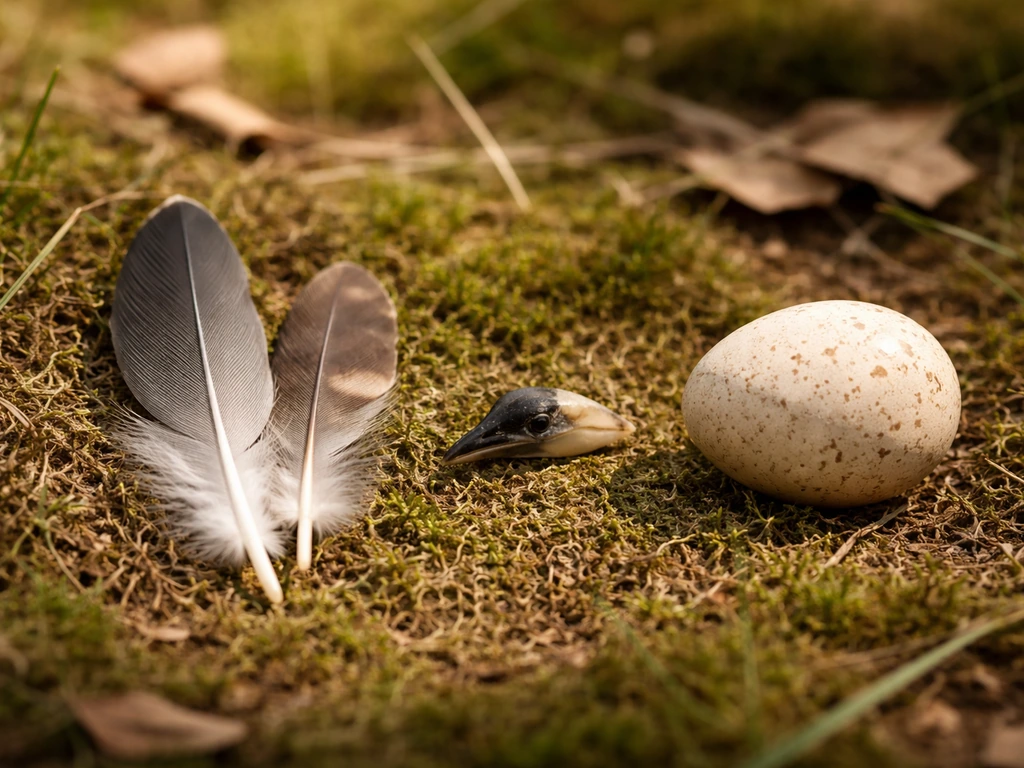
Yes, birds are animals. Fully, unambiguously, no asterisks. A robin, a penguin, an ostrich, a parrot, all animals, just as much as a dog or a dolphin. The confusion usually comes from the way we talk about animals in everyday life (often meaning furry, four-legged mammals), but biologically, "animal" covers a much wider kingdom, and birds have been card-carrying members of it for over 150 million years.
Birds Are Animals: Is a Bird an Animal or Not?

Marcus Hendricks
7 May 2026
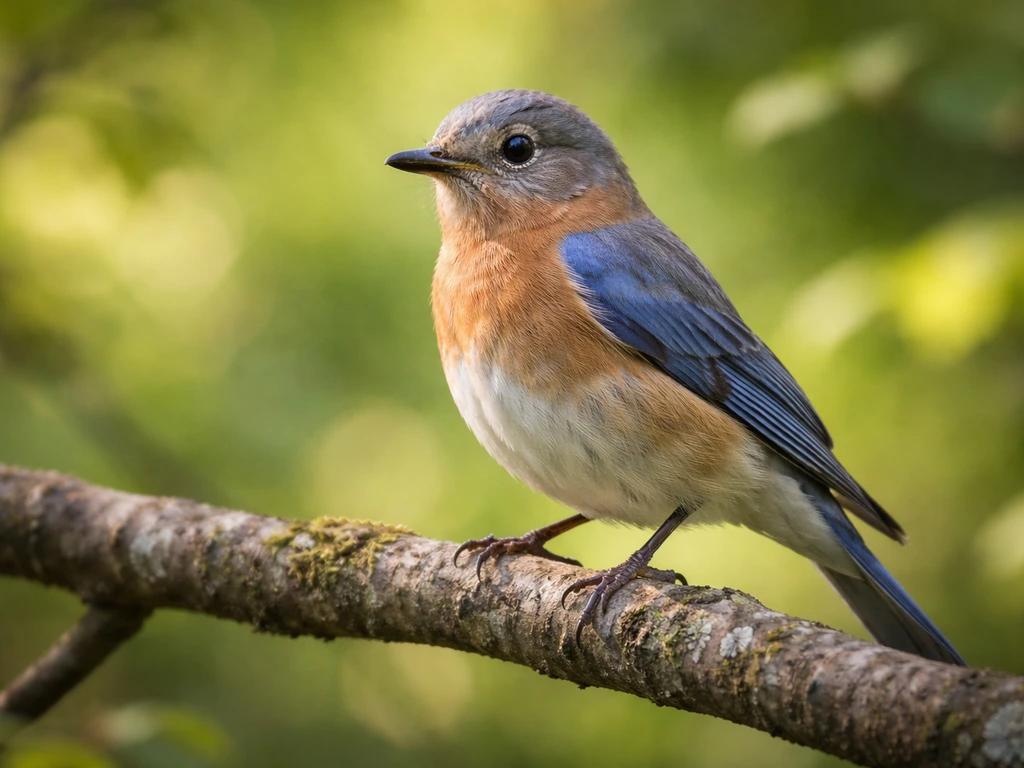
Birds are animals, here's why that's not even a close call
In biology, an animal is any multicellular organism that belongs to the kingdom Animalia. That kingdom includes insects, fish, mammals, reptiles, amphibians, and yes, birds. The Animal Diversity Web lists birds under Kingdom Animalia, Phylum Chordata, Class Aves, that's the full taxonomy, and it places birds squarely inside the animal kingdom with no caveats. Asking whether a bird is an animal is a little like asking whether a Labrador is a mammal. The answer is just: of course it is, and here's how we know.
The reason this question gets Googled at all is mostly a language problem. In casual conversation, people often use "animal" as shorthand for "mammal", so birds, fish, and insects can feel like they're in a different category. They're not. They're all animals. Birds just happen to be a very distinct, visually recognizable class within that kingdom.
What a bird actually is
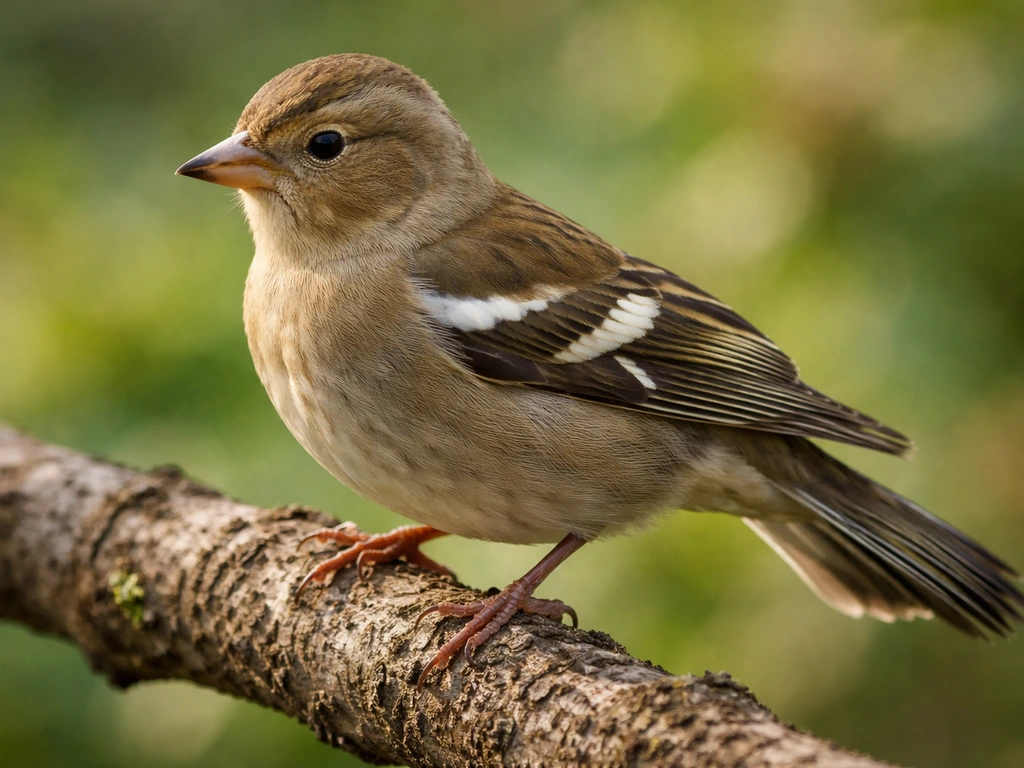
Encyclopaedia Britannica defines birds (class Aves) as "any of the approximately 11,200 living species unique in having feathers." That's the clearest one-line definition you'll find: if a living vertebrate has feathers, it's a bird. No other animal on Earth grows feathers, which makes this the single most reliable identifying trait in biology. Beyond feathers, birds are warm-blooded vertebrates that lay hard-shelled eggs and have hollow bones adapted for flight (even in species that no longer fly, like penguins and ostriches). They also have beaks instead of teeth, two wings (even if vestigial), and two legs.
What a bird is not: a bat (mammal, fur, live young), a butterfly (insect, six legs, exoskeleton), or a flying fish (still a fish). Wings and flight don't make something a bird, feathers do. Keep that anchor point and classification becomes a lot easier.
How birds differ from mammals and reptiles
Birds share the vertebrate family tree with mammals and reptiles, which is exactly why the differences matter. The Smithsonian National Museum of Natural History identifies three defining features that separate birds from every other living vertebrate: feathers, hollow bones, and hard-shelled eggs. That combination exists nowhere else in nature.
| Trait | Birds (Aves) | Mammals | Reptiles |
|---|---|---|---|
| Body covering | Feathers | Hair or fur | Scales or scutes |
| Warm-blooded | Yes | Yes | No (cold-blooded) |
| Eggs | Hard-shelled | Most give live birth (monotremes lay soft eggs) | Leathery or soft-shelled |
| Bones | Hollow (lightweight) | Dense and solid | Dense and solid |
| Forelimbs | Wings | Arms, flippers, or forelegs | Legs or none |
| Teeth | No (beaks only) | Usually yes | Usually yes |
The warm-blooded trait is worth dwelling on for a second. Birds and mammals are both endotherms, meaning they generate their own body heat internally. Reptiles rely on external heat sources. That shared trait makes birds seem more "mammal-like" in behavior and activity levels, but the feathers, hollow bones, and hard-shelled eggs keep them firmly in their own class.
Where birds sit in the animal family tree
Formally, birds belong to Kingdom Animalia, Phylum Chordata (the vertebrates), and Class Aves. Within Chordata, they're most closely related to reptiles, so closely, in fact, that the Encyclopedia of Life classifies Aves as a class within Dinosauria. Encyclopedia of Life explicitly states that Aves (birds) is a class within Dinosauria Encyclopedia of Life classifies Aves as a class within Dinosauria.. That's not a metaphor. Birds literally are living dinosaurs, descended from theropod dinosaurs like the ones that shared the Jurassic with T. rex. The earliest known bird, Archaeopteryx, showed up in the fossil record about 150 million years ago with a mix of dinosaur and bird features. Modern birds are what you get after 150 million years of evolutionary refinement from that starting point.
Understanding this family tree also clears up a lot of related questions about what type of animal a bird is, what animal class it belongs to, and what specifically makes an animal qualify as a bird in the first place. Understanding this family tree also clears up a lot of related questions about what type of animal a bird is, what animal class it belongs to, and what specifically makes an animal qualify as a bird in the first place what animal category is a bird. The short version: birds are vertebrate animals in class Aves, which branched off from reptilian dinosaurs and evolved a completely unique set of traits centered on feathers, flight physiology, and hard-shelled reproduction.
Things people commonly mistake for birds (but aren't)
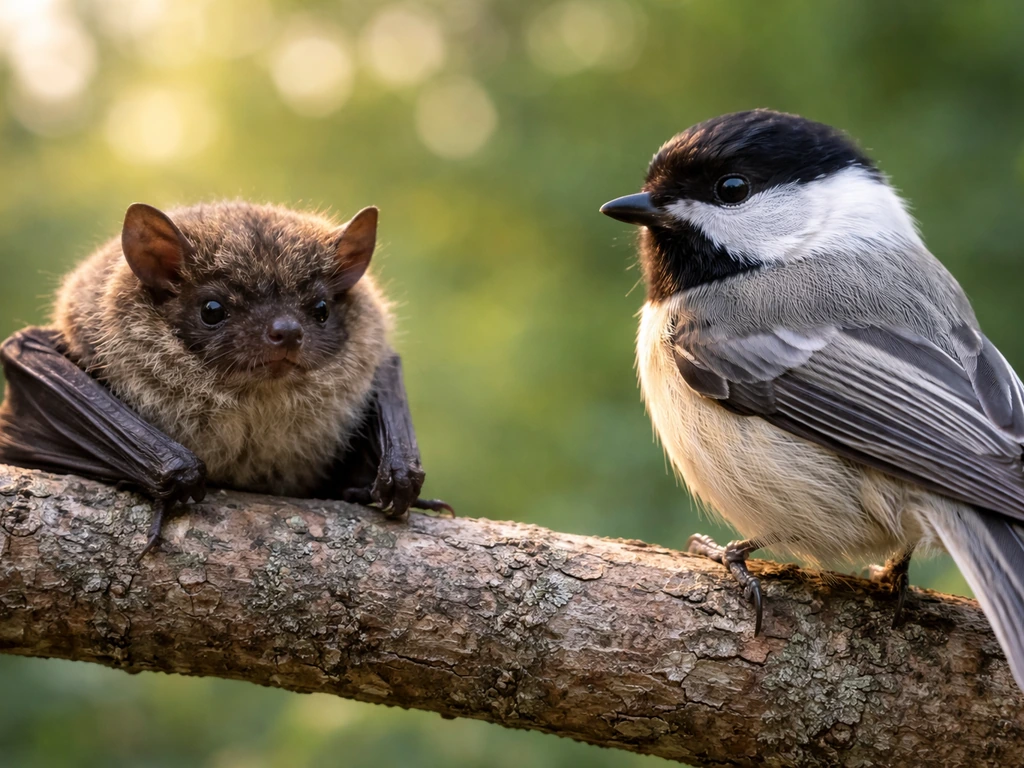
Here's where the confusion gets interesting. A lot of searches for "is bird an animal" come from people who've encountered something bird-like but aren't sure whether it's a real organism or something else entirely. A few common mix-ups:
- Bats: They fly, they have wings, but they're mammals. Fur, not feathers. Live young, not eggs. Completely different class.
- Pterosaurs: The flying reptiles from the Mesozoic era. Not birds — they were a separate evolutionary lineage that went extinct 66 million years ago.
- Mockingjay, Fawkes (the phoenix), and other fictional birds: These are literary or mythological constructs. They don't belong to class Aves or any biological taxonomy.
- Brand mascots (like Toucan Sam or the Twitter bird): Icons, not organisms. No feathers in any biological sense.
- Flying insects (dragonflies, large moths): Six legs, exoskeleton, no vertebral column. Insects, not birds.
- Flying fish and flying squirrels: The "flying" is a glide, and neither has feathers. One is a fish, one is a mammal.
The common thread in all these mix-ups is that people associate "bird" with flight or wing shape rather than with feathers and class Aves. Once you anchor the definition to feathers, most of the confusion disappears instantly.
How to tell if something is actually a bird
If you're looking at a real, living organism and want to know whether it's a bird, run through this quick checklist. You only need to confirm a few of these, since they tend to appear together in birds and nowhere else.
- Does it have feathers? This is the single most reliable test. If yes, it's a bird. No other living animal has feathers.
- Does it have a beak or bill instead of teeth? All living birds have beaks. No living bird has teeth.
- Does it have two legs and two wings (even if the wings are tiny or non-functional)? Bird body plan, every time.
- Is it warm-blooded and a vertebrate? Required for birds, though this alone doesn't rule out mammals.
- Does it lay hard-shelled eggs? Birds do. Mammals mostly don't (except platypus and echidna, which lay leathery eggs, not hard-shelled ones).
- Is it a living organism, not a cartoon, mascot, myth, or extinct species? Taxonomy only applies to real, extant or historically documented organisms.
In practice, step one (feathers) is almost always enough. If you can confirm feathers, you have a bird. If you can't confirm feathers, it might be a bat, an insect, a reptile, or something fictional, but it's not a bird. The 11,200+ living species of birds are genuinely unique in that one feature, which is exactly why biologists use it as the defining trait of class Aves.
The bottom line
Birds are animals. Specifically, they're vertebrate animals in class Aves, within the kingdom Animalia. They're warm-blooded, feathered, hard-egg-laying descendants of theropod dinosaurs, and there are about 11,200 living species of them. The "animal or not" confusion comes from casual language, not biology. In biology, the answer has never been in doubt. If it has feathers, it's a bird, and every bird is an animal.
FAQ
If a bird cannot fly, is it still an animal and still a bird?
Yes. Birds are animals because they belong to the kingdom Animalia, and “bird” is specifically class Aves within that kingdom. Whether the species can fly (for example, penguins, ostriches) does not change the classification as birds.
Why do some people say birds are not animals?
In biology, “animal” means the kingdom Animalia, not “mammal.” So fish, insects, and birds are all animals. The shortcut people use in everyday speech creates confusion, but it is not how the scientific categories are defined.
How can I tell quickly if something is a bird or just “bird-like”?
If something is a living organism with true feathers, it is a bird. If it lacks feathers, do not assume bird just because it has wings, a beak-like mouth, or flies. Many non-birds can look similar, but feathers are the defining trait.
Are birds animals or vertebrates, which one is the right category?
Yes, birds are vertebrates. They share key vertebrate traits such as having a backbone and other internal structures that distinguish them from invertebrates like insects and spiders.
Are all animals birds, or only some animals birds?
All birds are animals, but not all animals are birds. A dog, dolphin, insect, or reptile is an animal, yet only organisms in class Aves qualify as birds.
Is a baby chick considered a bird if it does not look like a typical bird yet?
Bird embryos and newly hatched chicks are still birds, even though feathers and beaks may not be fully developed yet. Classification is based on the organism’s biology and lineage, not whether it looks “fully grown” at one stage.
Are bats considered birds because they can fly?
No. Bats are mammals, even though they have wings and can fly. Flight alone is not enough, because birds are defined by feathers plus the rest of the bird body plan.
What about fictional creatures that look like birds, are they animals or birds?
In most cases, yes, because many feathered animals in nature are real birds. However, some creatures in myths or fiction are “bird-like” without being biologically birds. If the source is fictional and the organism is described without feathers as a real trait, you cannot classify it as a bird in the scientific sense.
Next Article
What Animal Category Is a Bird? Class Aves Explained
Birds are vertebrates in class Aves, defined by feathers, beaks, egg-laying, endothermy, and flight adaptations.