Yes, a bird is absolutely an animal
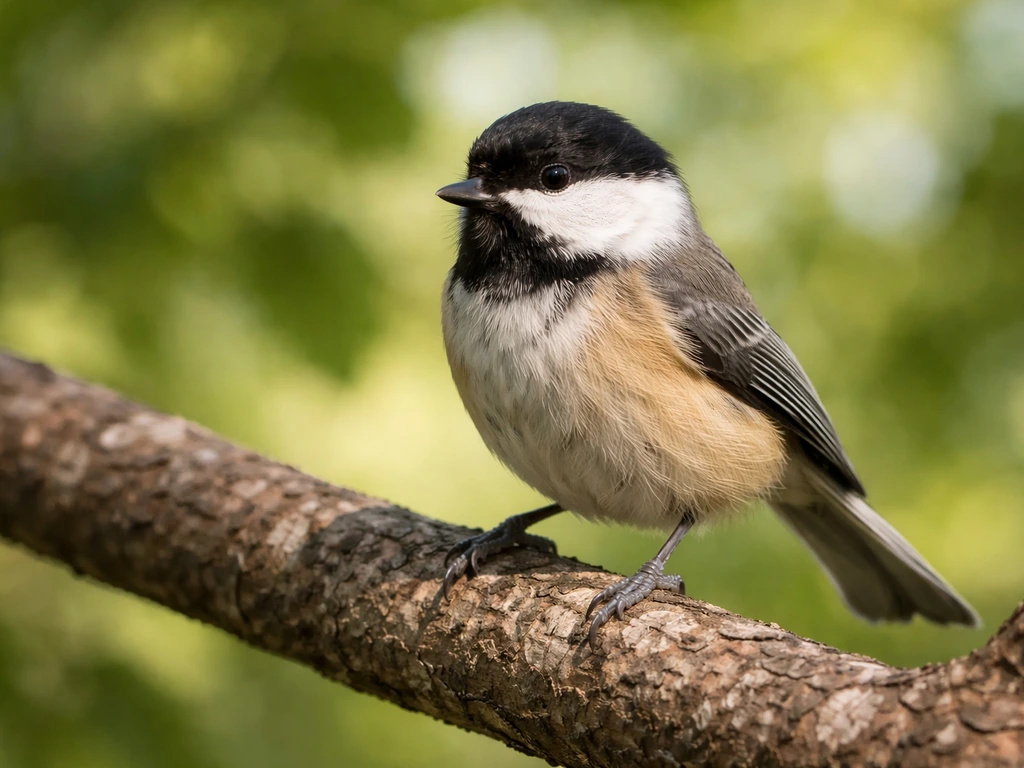
A bird is an animal. Full stop. Birds belong to the kingdom Animalia, the same biological kingdom that includes mammals, reptiles, fish, and insects. The U.S. Fish & Wildlife Service taxonomic tree places birds (class Aves) squarely under Kingdom: Animalia, and Britannica says the same thing. So if someone told you birds are somehow separate from animals, that was a misconception worth clearing up right now. The confusion usually comes from everyday speech, where people say "animals" when they really mean "mammals" or "four-legged creatures." Scientifically, though, there is no debate. If you want the fuller picture of whether a bird is an animal or not, the answer from taxonomy is an unambiguous yes.
Why birds are classified as animals (taxonomy basics)
Taxonomy is the system scientists use to organize life on Earth into nested groups. Everything that is multicellular, cannot make its own food from sunlight, and moves (at least at some life stage) falls into kingdom Animalia. Birds check every one of those boxes. They eat other organisms for energy, their cells do not have cell walls, and they are obviously mobile. From there, birds are vertebrates (they have a backbone), which puts them in the phylum Chordata alongside fish, frogs, lizards, and us. Within vertebrates, birds occupy their own class: Aves.
Understanding what type of animal a bird is means understanding where class Aves sits in that hierarchy. Kingdom and phylum are the broad categories; class is where birds get their own lane, distinct from mammals (class Mammalia) and reptiles (class Reptilia). Every robin, penguin, ostrich, and extinct moa belongs to class Aves. That classification has been confirmed across centuries of comparative anatomy, genetics, and fossil evidence, so it is not a matter of interpretation.
What makes a bird a bird (the defining traits)
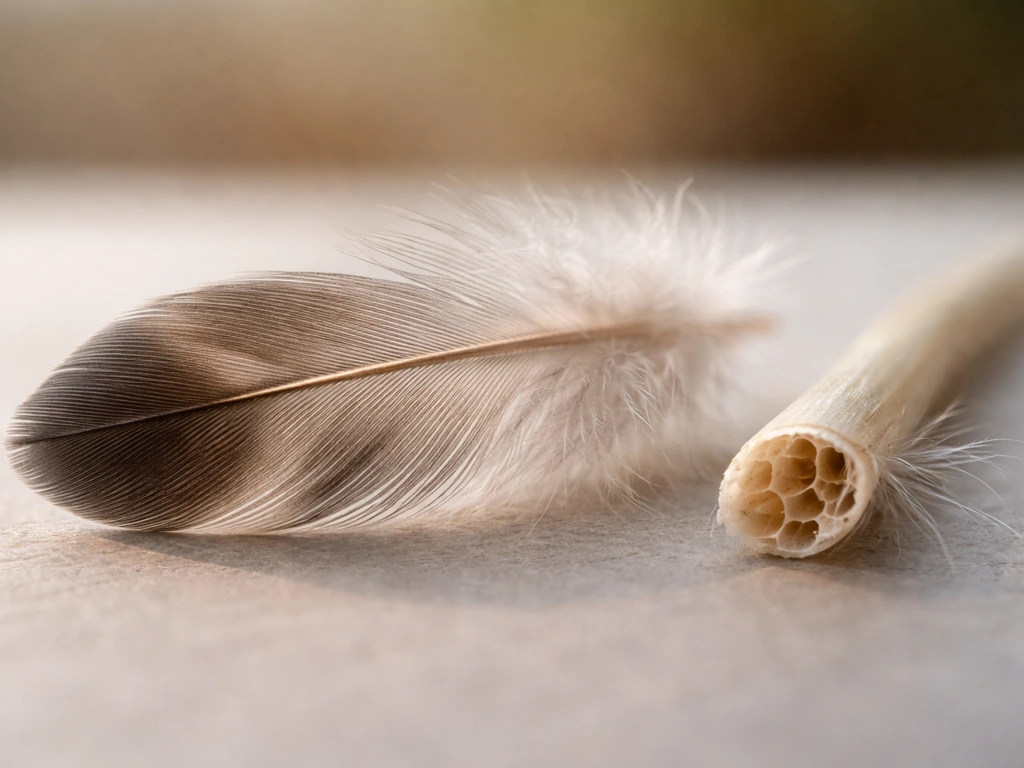
The Smithsonian National Museum of Natural History draws a clean line between birds and every other living vertebrate using three traits: feathers, hollow bones, and hard-shelled eggs. That trio is the most practical field checklist you can carry around. If something has all three, it is almost certainly a bird. If it is missing even one, keep investigating.
Feathers are the single most diagnostic feature. No other living animal has them. Feathers are actually modified reptilian scales, which is why you will hear evolutionary biologists describe birds as "living dinosaurs" in a literal sense. They do more than enable flight: they trap heat, signal potential mates, and provide camouflage. A creature that is warm-blooded and covered in feathers is a bird, and that combination is what you should fix in your mind as the core identifier. To go deeper on what makes an animal a bird at a biological level, the feather-plus-physiology pairing is the place to start.
Beyond feathers, Britannica's list of unique bird characteristics adds warm-bloodedness (endothermy), forelimbs modified into wings, a four-chambered heart, and hard-shelled eggs. The beak is worth calling out too: birds replaced heavy jawbones and teeth with a lightweight keratin bill. That is part of a whole-body weight-reduction strategy that includes those hollow, pneumatic bones. A sparrow's skeleton is remarkably light for its size precisely because many of its bones are air-filled, connected to the respiratory system. When you pick up a dead bird and feel how light it is, that is the hollow-bone architecture doing its job.
How birds compare to other animal groups
People sometimes struggle to place birds among other animals because the familiar groups (mammals, reptiles, insects) all look so different from each other. Here is a direct comparison of the major distinctions.
| Feature | Birds (Aves) | Mammals | Reptiles | Insects |
|---|
| Body covering | Feathers | Hair / fur | Scales or scutes | Exoskeleton / chitin |
| Warm-blooded? | Yes | Yes | No (ectothermic) | No (ectothermic) |
| Eggs or live birth? | Hard-shelled eggs | Mostly live birth (monotremes lay eggs) | Leathery eggs or live birth | Usually eggs |
| Forelimbs | Modified into wings | Varies (arms, flippers, legs) | Four legs or reduced/absent | Six legs |
| Teeth? | No (keratin beak) | Yes (most) | Yes (most) | No (mandibles instead) |
| Backbone? | Yes | Yes | Yes | No |
The mammal comparison trips people up most often. Bats fly, are warm-blooded, and in silhouette can look superficially bird-like. But bats are mammals: they have fur, give birth to live young, and nurse those young with milk. Their wings are a membrane of skin stretched between elongated finger bones, not feathers over a modified forelimb. Britannica classifies bats under order Chiroptera within class Mammalia, and the Smithsonian confirms that bat fur and live birth are the definitive mammal giveaways. A bat is the only mammal capable of true flight, but that does not make it a bird.
Reptiles are actually closer evolutionary relatives to birds than mammals are. Birds evolved from theropod dinosaurs, making them, technically, a specialized lineage of reptiles in the broad sense. But in everyday and classroom taxonomy, birds get their own class (Aves) precisely because their feathers, hollow bones, endothermy, and hard-shelled eggs set them apart from lizards, snakes, and crocodilians. If you want to understand what animal category a bird belongs to, the answer is class Aves within the broader vertebrate lineage that also includes reptiles, but clearly distinguished from them.
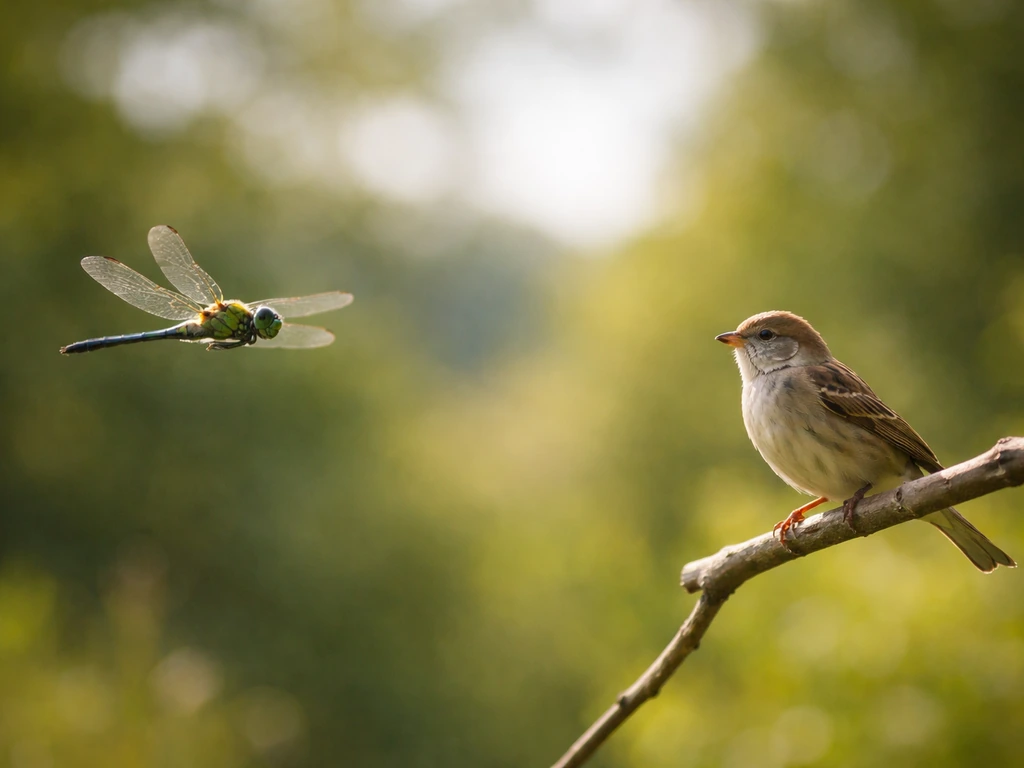
Insects are the easiest to separate. They are invertebrates with six legs, a three-part body plan, and an exoskeleton made of chitin. No backbone, no feathers, no hard-shelled amniotic egg. A firefly and a finch are both animals, but they are separated by hundreds of millions of years of evolution and several entire phyla.
Common confusion and edge cases worth knowing
This is where things get genuinely interesting. Several creatures (and even fictional characters) get labeled "birds" incorrectly, and a few real birds are so unusual that people assume they must not be birds.
Pterosaurs: flying reptiles, not birds
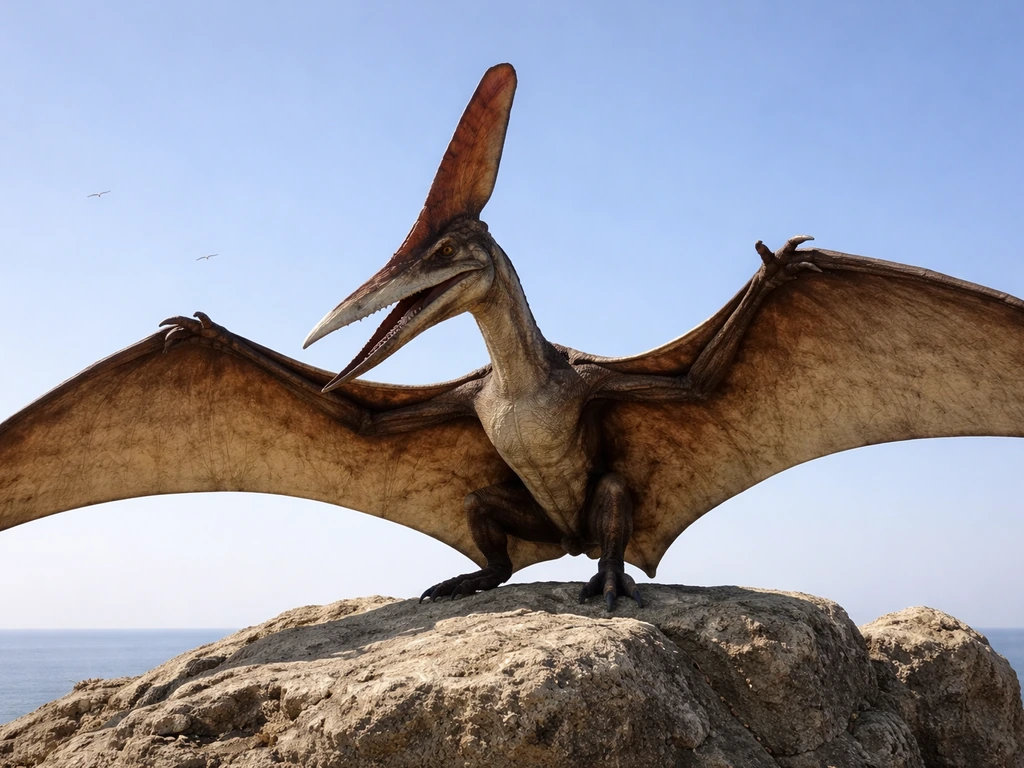
Pterosaurs are the flying animals from the age of dinosaurs that people most often confuse with prehistoric birds. They were not birds, and they were not even dinosaurs. Britannica is clear: pterosaurs were flying reptiles whose wings were formed by a membrane of skin, not feathers, similar in structure to a bat's wing. There is some recent fossil evidence suggesting pterosaurs may have had feather-like filaments called pycnofibers, but the Natural History Museum in London explains that this does not reclassify them as birds. Feather-like structures in other lineages are interesting evolutionary data, not a ticket into class Aves.
Flying squirrels: gliders, definitely not birds
Flying squirrels are mammals. National Geographic describes them as gliders that use a furred membrane called a patagium stretched between their limbs to coast from tree to tree. They do not flap, they do not have feathers, and they do not lay eggs. The "flying" in their name is marketing, not taxonomy.
Archaeopteryx: the bird-dinosaur that causes confusion
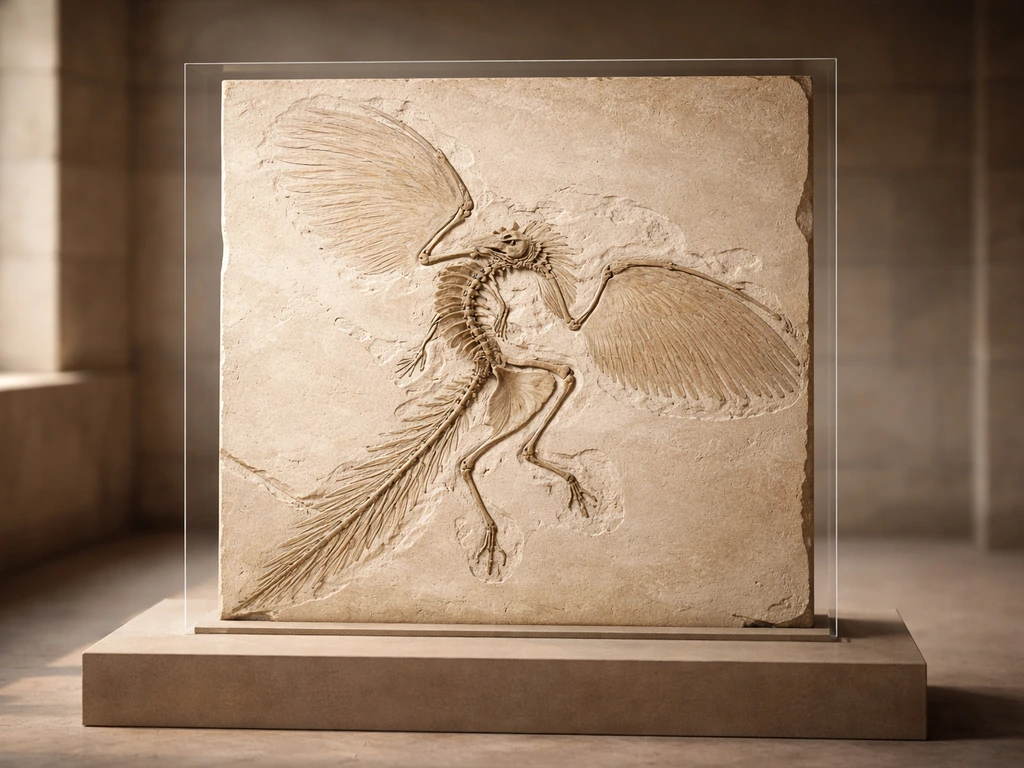
Archaeopteryx is often cited as the earliest known bird, and it sits right on the fuzzy boundary between feathered dinosaur and true bird. Its fossilized skeleton looks like a small theropod dinosaur, but it had feathers, the trait that anchors it in the bird category for most paleontologists. Britannica acknowledges that Archaeopteryx had dinosaur-like traits including teeth and a bony tail, which is why the classification has been debated. The lesson here: feathers are necessary but the earliest birds also carried some distinctly non-bird features. Evolution does not hand out clean categories.
Brand mascots and fictional creatures
The Mockingjay from The Hunger Games, the Twitter bird logo (now retired), and various cartoon characters styled as birds are not animals at all: they are illustrations. Some fictional birds, like the phoenix, are mythological creatures with no biological reality. Applying the Smithsonian's three-trait checklist (feathers, hollow bones, hard-shelled eggs) to a logo or a myth gets you nowhere. The question "is this thing a bird" only makes biological sense when applied to a real organism.
Flightless birds: still birds, despite everything
People sometimes assume that if an animal cannot fly, it cannot be a bird. That is wrong. Penguins, ostriches, emus, kiwis, and the now-extinct moa (an enormous ostrich-like bird described by Britannica as an extinct flightless bird) are all birds. They have feathers. They lay hard-shelled eggs. They are endothermic. Flight is not in the definition. Wings modified for swimming (penguins) or reduced through evolution (kiwis) do not disqualify an animal from class Aves. Understanding what animal class a bird belongs to makes this clearer: the class Aves definition is built on shared anatomy and physiology, not behavior.
Quick self-check: is the creature in front of you actually a bird?
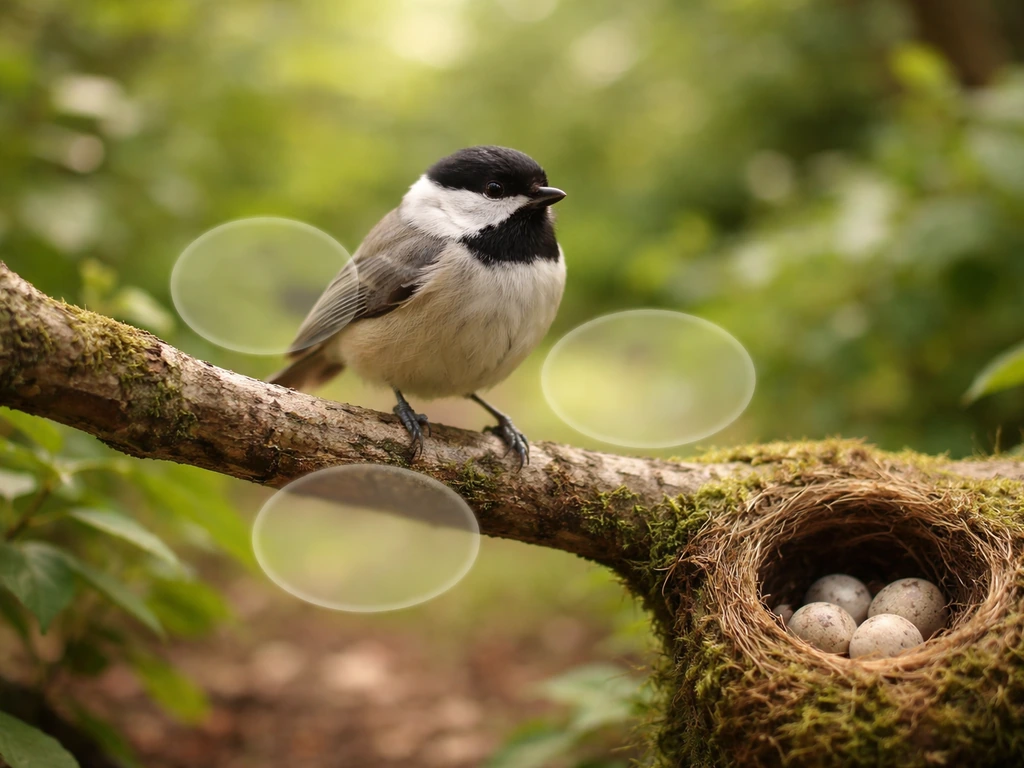
Run through this checklist whenever you need to confirm whether something qualifies as a bird. The Smithsonian's three-point test covers living animals well, and a couple of extra questions help you rule out the common imposters.
- Does it have feathers? If yes, you are almost certainly looking at a bird. No other living animal has feathers. If no, stop here: it is not a bird.
- Does it have a beak (a keratin bill with no teeth)? Most living birds do. Teeth in the jaw point strongly away from birds and toward reptiles or mammals.
- Does it lay hard, brittle, calcium-carbonate-shelled eggs? If yes, that reinforces the bird classification. Leathery or membrane eggs belong to reptiles; live birth points to most mammals.
- Is it warm-blooded (endothermic)? Birds regulate their own body temperature internally. A cold-blooded animal that otherwise looks bird-like is probably a reptile.
- Does it have a lightweight, hollow-boned skeleton? This is harder to check without X-rays, but if the animal is surprisingly light for its size and the other boxes are checked, hollow bones are almost certainly part of the picture.
- Is it a real, living organism? Mascots, logos, mythological creatures, and fictional animals are not biological organisms and cannot be classified under any taxonomy.
If the creature clears items 1 through 5, you have a bird. The feather question alone eliminates the vast majority of impostors. Bats fail on feathers. Flying squirrels fail on feathers. Pterosaurs, by most current evidence, fail on feathers (their membrane wings are not the same structure). Lizards, obviously, fail on feathers. Feathers really do all the heavy lifting in bird identification, which is why every credible source, from the Smithsonian to OpenStax biology textbooks, leads with them.
If you are still unsure after running through the checklist, or if you want to dig into a genuinely tricky case, the next step is to look at the full taxonomic classification of the organism. A legitimate species will have a binomial name (genus and species), a class assignment, and a phylum. If it is in class Aves under phylum Chordata and kingdom Animalia, it is a bird and it is an animal. That is the scientific ground truth, and it has not changed.