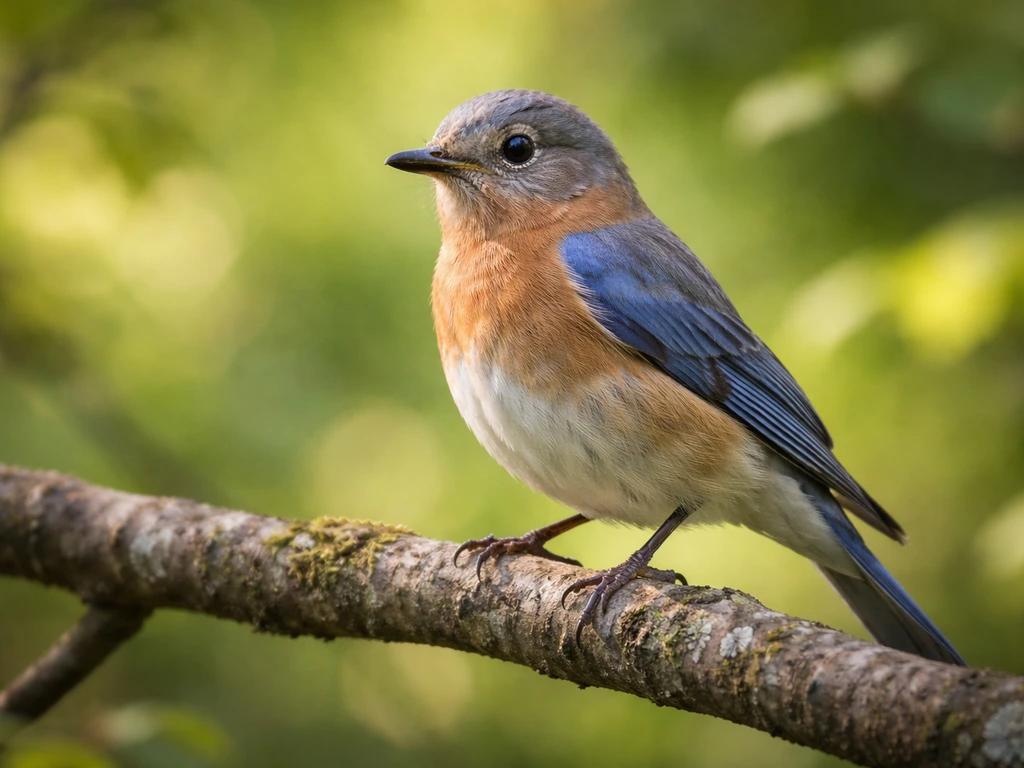
An animal is a bird if it belongs to the evolutionary lineage called Aves, which means it shares a common ancestor with every other living bird on the planet. In practical terms, that membership almost always comes with a specific package of traits: feathers, a toothless keratinized beak, a lightweight pneumatized skeleton, warm-blooded metabolism, and hard-shelled eggs. You can't just point at one feature and call it a day, but if you check the full bundle, you'll know.
What Makes an Animal a Bird: Key Traits and Checklist

Marcus Hendricks
20 May 2026
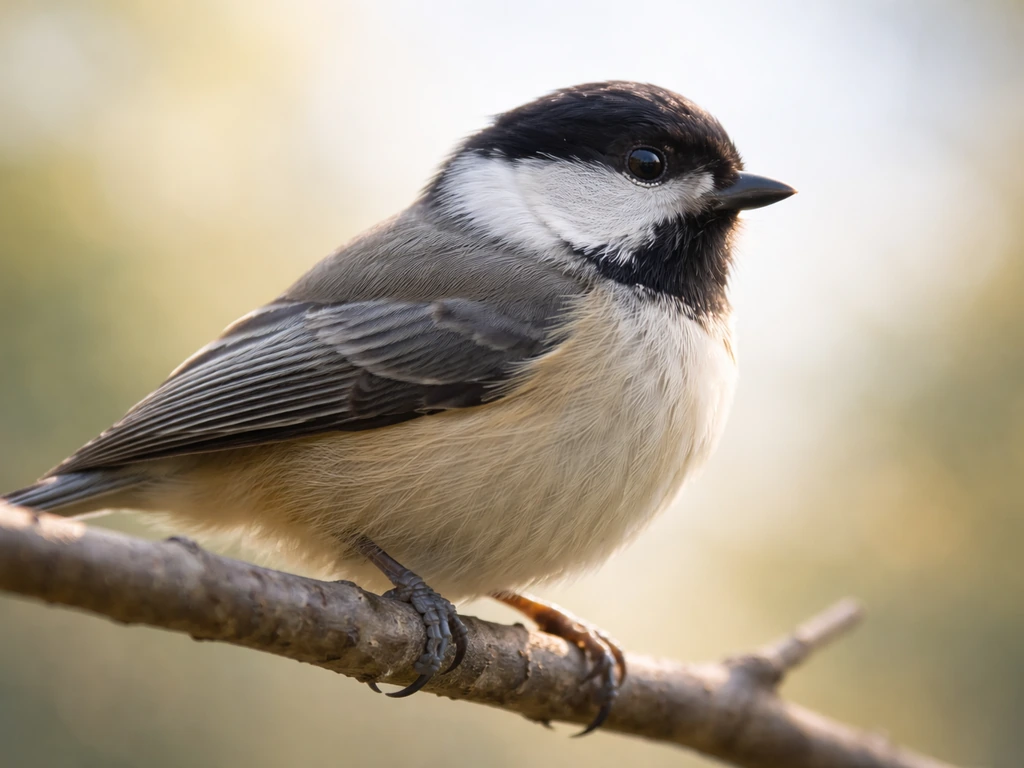
What actually defines a bird, biologically speaking
The formal answer is that a bird is a member of class Aves, a monophyletic lineage, meaning every single bird alive today traces back to one shared ancestor. Modern taxonomy (especially under the phylogenetic framework of the PhyloCode) defines Aves not just as a grab-bag of feathery things, but as a clade: a branch of the evolutionary tree that includes that ancestor and all of its descendants. This matters because it means classification is about ancestry, not just looks. A penguin that can't fly is still a bird. A bat that swoops through the air eating insects is not.
Britannica frames Class Aves as a coherent taxonomic group that reflects phylogenetic knowledge, while also acknowledging that the fossil record and convergent evolution can make finer-level relationships tricky to pin down. The core grouping itself, though, is solid. If you're settling a debate about whether a specific animal is a bird, the question to ask first is: does this animal belong to the Aves lineage? Everything else follows from that.
The physical traits that almost every bird has
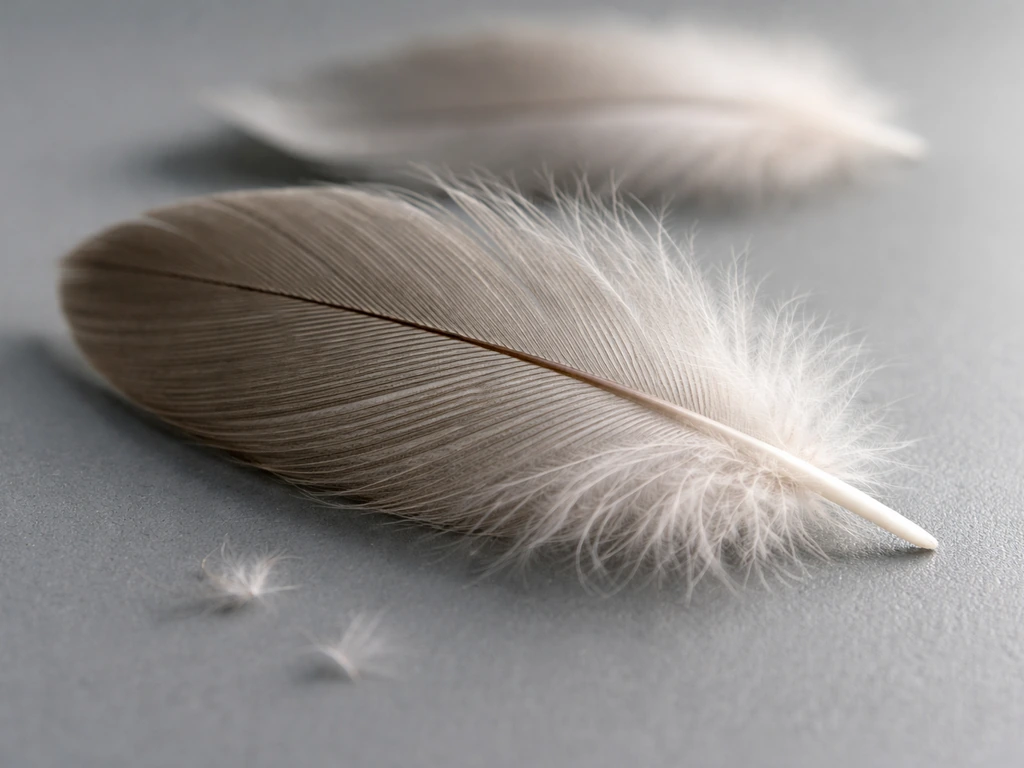
Feathers
Feathers are the single most iconic bird trait, and for living animals they're essentially a giveaway. No living non-bird has feathers. They're made of keratin, they're replaced periodically through molting (Cornell Lab's All About Birds explains the whole replacement cycle), and they range from soft downy insulation to stiff flight feathers depending on their function. The catch, worth knowing for edge cases, is that some extinct non-avian dinosaurs also had featherlike integument. So for living animals, feathers mean bird. For fossils, you need to go deeper into the evolutionary tree.
Beak
Birds have a beak (also called a bill) instead of teeth, and the outer surface is covered by a keratinized sheath called the rhamphotheca. This horny layer covers both the upper and lower jaws and is what gives a bird's beak its hard, shaped surface. No living bird has true teeth, though some have serrations or tooth-like edges on the beak. This toothless, keratinized beak is one of the most consistent traits across all living birds, from hummingbirds to ostriches.
Skeleton
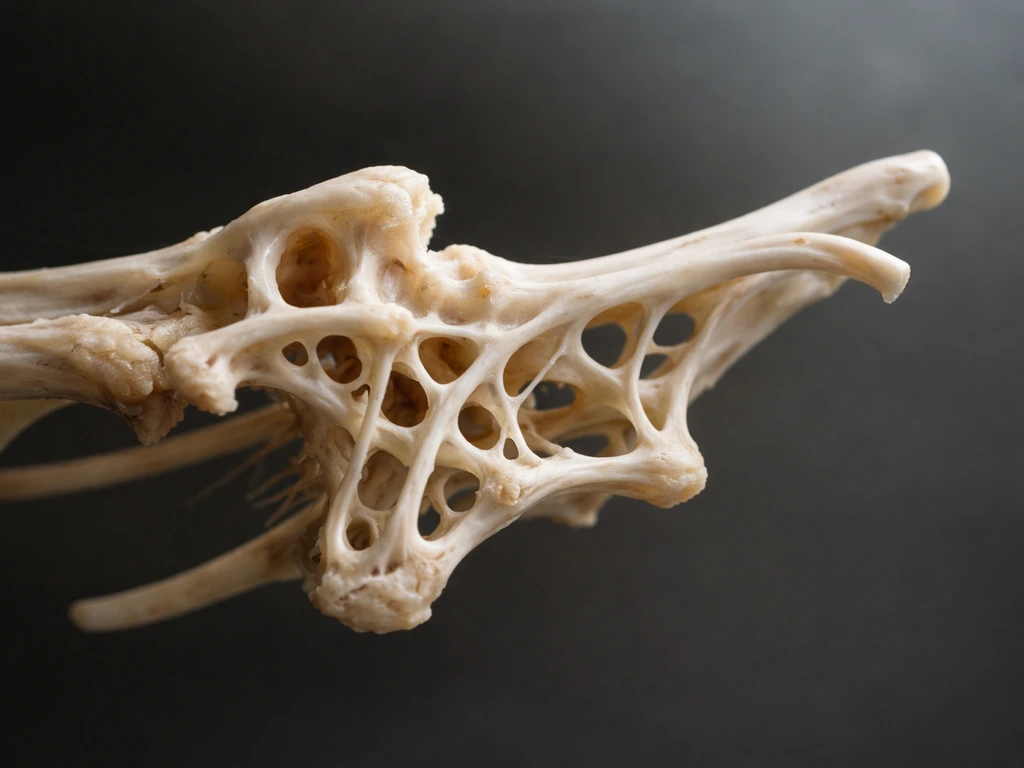
A bird's skeleton is built for lightness without sacrificing strength. Many bones are pneumatized, meaning they contain air spaces connected to the respiratory system. In seabirds this can be especially extensive, with hollow chambers running through major bones. Birds also have a furcula, the wishbone, which is a fused clavicle that reinforces the shoulder girdle. Its primary function is strengthening the thoracic skeleton for flight, and it may also help pump air through the air sac system during wing strokes. Interestingly, furculae also appear in some non-avian dinosaurs, which is part of the evolutionary evidence linking birds to their dinosaur ancestors.
How bird physiology sets them apart
Birds are endothermic homeotherms, which is the technical way of saying warm-blooded. They generate their own body heat through metabolic processes and maintain a stable internal temperature regardless of the environment. Birds actually run hotter than most mammals on average. This high metabolic rate is what lets them sustain the energy demands of flight, but it also shows up in their rapid heart rates, high food requirements, and fast digestion.
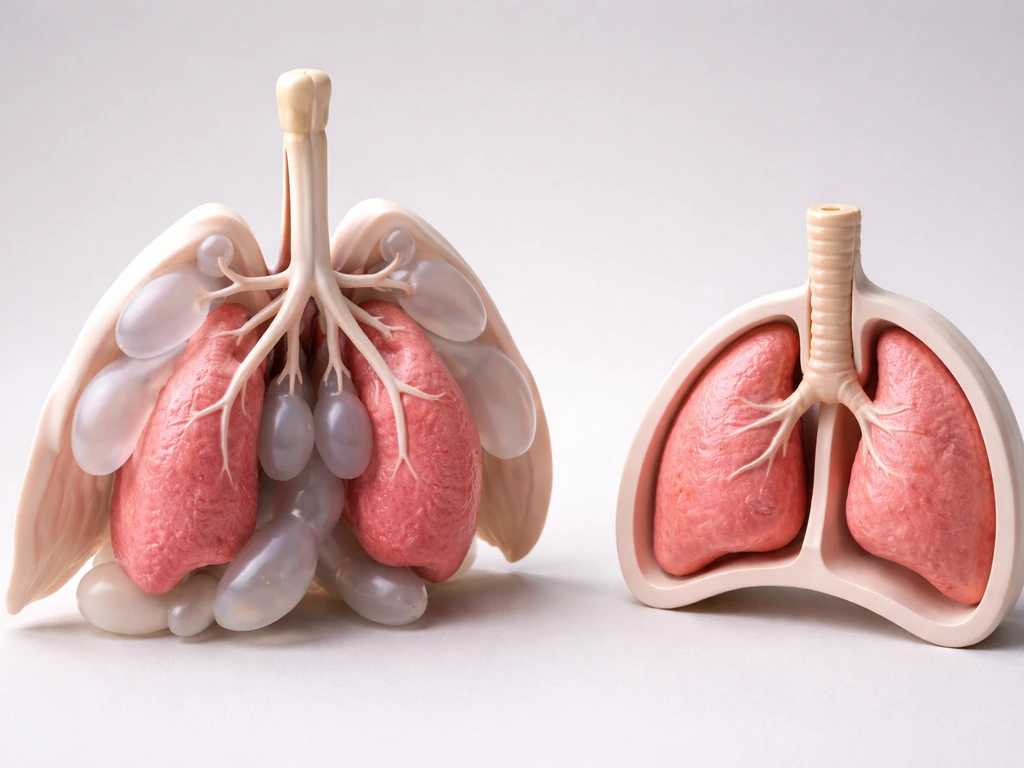
Their respiratory system is one of the most efficient in the animal kingdom. Bird lungs connect to a network of air sacs that create a unidirectional airflow system: air moves through the lungs in one direction, rather than in and out the same way (as in mammal lungs). Britannica describes it as working like a series of bellows, with air sacs inflating and deflating in sequence. This means bird lungs are extracting oxygen from fresh air on both the inhale and the exhale cycle, giving birds exceptional oxygen efficiency at high altitudes and during sustained flight.
On reproduction, all birds lay eggs, and those eggs have hard or at least hardened shells. Viviparity (live birth through a placenta) occurs in every major vertebrate group except birds. This is a clean, consistent distinction: if the animal gives birth to live young via a placenta, it is not a bird, full stop.
Where birds fit in the animal family tree
Birds are literally dinosaurs. That's not a metaphor or a loose analogy: birds evolved from theropod dinosaurs, specifically from the maniraptoran group, and the fossil and anatomical evidence is overwhelming at this point. Archaeopteryx, which dates to around 150 million years ago, is one of the most-studied transitional forms and shows a mix of non-avian theropod traits (clawed fingers, certain skeletal features) alongside clearly avian ones (flight feathers, wishbone, birdlike wings). Later Cretaceous fossil finds, including feathered dinosaurs from China's Jehol biota, filled in the picture even more, with preserved skin and feather impressions showing how integument evolved across the dinosaur-bird transition.
What this means practically is that birds are not just related to reptiles: they are, in cladistic terms, a subgroup of reptiles that survived the end-Cretaceous extinction event when their non-avian dinosaur cousins didn't. Every chicken, crow, and hummingbird alive today is a living dinosaur. This evolutionary context also explains why some bird traits (like the furcula) show up in non-avian dinosaurs, and why extinct animals like Velociraptor or Microraptor can cause confusion when people try to sort them into tidy modern categories.
Telling birds apart from animals that look or act like them
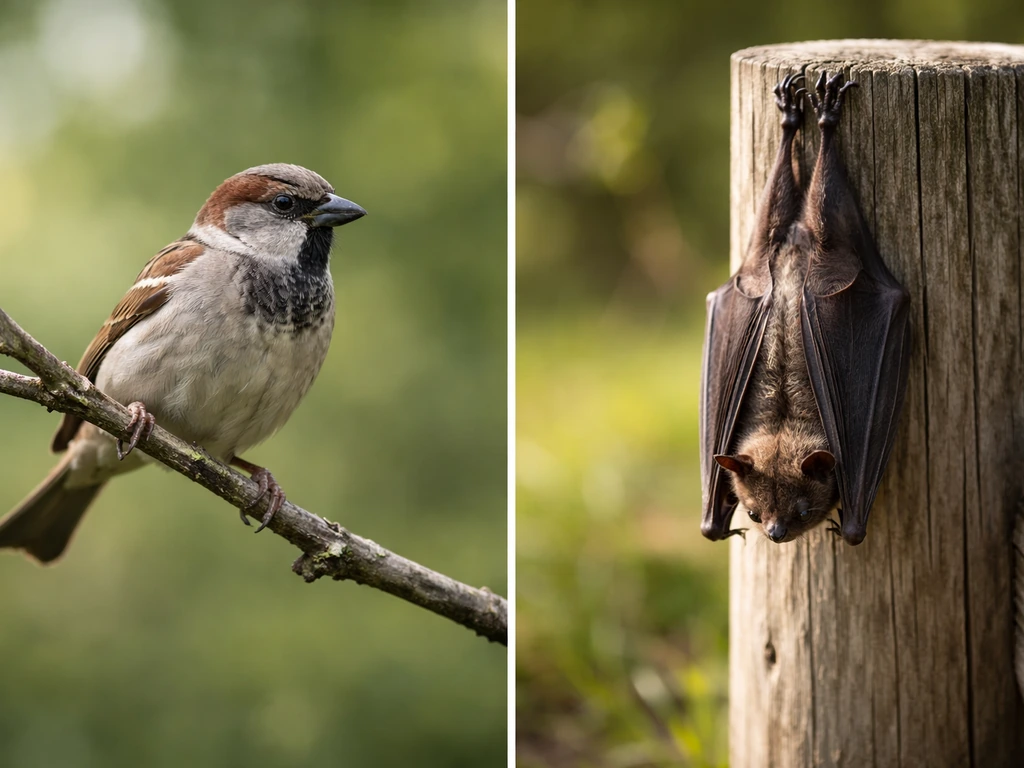
The most common real-world confusion cases involve bats, flying insects, and in the realm of internet debates, pterosaurs. Here's how to sort them out.
| Animal | Flies? | Has Feathers? | Lays Hard-Shelled Eggs? | Warm-Blooded? | Part of Aves? |
|---|---|---|---|---|---|
| Bird (e.g., robin, eagle) | Usually (not always) | Yes | Yes | Yes | Yes |
| Bat | Yes | No (has fur) | No (live birth) | Yes | No — it's a mammal |
| Pterosaur (extinct) | Yes | No (had pycnofibers) | Leathery eggs | Likely | No — not Aves lineage |
| Flying squirrel | No (glides) | No (has fur) | No (live birth) | Yes | No — it's a mammal |
| Draco lizard | No (glides) | No (has scales) | No (leathery eggs) | No | No — it's a reptile |
| Non-avian feathered dinosaur (e.g., Microraptor) | Possibly glided | Yes (feathers present) | Yes (leathery or hard) | Possibly | No — outside Aves clade |
Bats are the most frequent real-world confusion case, especially for kids. They fly, they're fast, and at dusk they can look like swallows. But bats are mammals: they have fur, no feathers, give birth to live young, and nurse them with milk. Pterosaurs are the other big one in paleo-adjacent internet debates. They were flying reptiles that lived alongside dinosaurs, but they were never birds and are not on the Aves lineage. Their wings were membranous, not feathered, and they are more distantly related to birds than non-avian dinosaurs are.
Edge cases that trip people up
Flightless birds
Flight is not a requirement for being a bird. Ostriches, emus, kiwis, cassowaries, and penguins are all birds, full stop. Ratites (ostriches, emus, rheas, kiwis, and cassowaries) are a group of flightless birds with a smooth, keel-less sternum that lacks the anchor point for large flight muscles. Penguins are not ratites but are their own distinct flightless lineage. Britannica notes that multiple flightless lineages evolved independently from flying ancestors across bird evolutionary history, which means flightlessness evolved more than once. The defining trait is ancestry and biology, not the ability to fly.
Chicks and juveniles
Young birds can look surprisingly un-birdlike. Hatchlings of many species emerge with sparse, patchy down, closed eyes, and no obvious flight feathers. Even older juveniles can have such different plumage from adults that they're routinely misidentified. The British Trust for Ornithology notes that juvenile birds differ from adults due to molt strategy and timing, and that you should expect juvenal feathering to look quite different. A naked, helpless nestling pulled from a nest is still very much a bird, even if it looks like a tiny pink blob. The taxonomy doesn't change with age.
Extinct birds and near-birds
This is where things get genuinely nuanced. Archaeopteryx is generally treated as a bird or very close to the base of the bird lineage, depending on which phylogenetic analysis you're reading. Extinct ratites like the moa and elephant bird are unambiguously birds. Non-avian feathered dinosaurs like Microraptor or Anchiornis had feathers and some birdlike features but are not members of the Aves clade as it's currently defined. Whether a specific Mesozoic animal counts as a bird depends on where it falls in the phylogenetic tree, not whether it had feathers or could fly.
A practical checklist for identifying whether an animal is a bird

If you're trying to settle a specific question, work through these checks in order. The first one is the most reliable; the physical traits below it are supporting evidence.
- Check the taxonomy: Look up the animal's scientific name in a reliable database like GBIF, ITIS, or the IUCN. These platforms assign species to class Aves if they're birds. If the species page shows Aves in its taxonomic hierarchy, it's a bird. This is the cleanest, most authoritative method.
- Does it have feathers? For any living animal, feathers are exclusive to birds. No living mammal, reptile, amphibian, or fish has true feathers. If yes, strong evidence for bird.
- Does it have a keratinized beak with no true teeth? If yes, points toward bird. A few bill-like structures appear in other animals (platypus, some turtles), but combined with feathers, a rhamphotheca-covered beak is highly diagnostic.
- Does it lay hard-shelled eggs? Birds do. Mammals don't (with the rare monotreme exception, which lays leathery eggs, not hard-shelled). If it gives birth to live young via placenta, it's not a bird.
- Is it warm-blooded (endothermic)? All birds are. This doesn't clinch it alone since mammals are too, but a cold-blooded animal is definitively not a bird.
- Does it have a lightweight, pneumatized skeleton with a furcula (wishbone)? In skeletal specimens or X-rays, air-filled bones and a fused clavicle are strong bird indicators.
- Does it belong to the theropod dinosaur lineage? For extinct animals or fossil finds, check whether the published phylogenetic placement puts it within the Aves crown group or outside it.
How to verify a classification you're not sure about
For living species, the fastest and most reliable step is looking up the scientific name on GBIF (gbif.org) or ITIS (itis.gov). Both databases use established taxonomic hierarchies and will tell you immediately whether a species sits within class Aves. The IUCN Red List also organizes its assessments by class, so searching there works too. These tools remove the guesswork entirely: you're not relying on appearance, you're checking against the actual accepted taxonomy.
For extinct or fossil animals, the question of 'is this a bird' gets answered in peer-reviewed paleontology literature and is often revisited as new fossils are found. Britannica and Wikipedia are reasonable starting points for well-known species, but for edge cases like early Cretaceous feathered theropods, the authoritative answer will be in the primary literature. Checking whether a species is placed within or outside the Aves clade in a recent phylogenetic analysis is the right move.
One last thing worth knowing: the question of what type of animal a bird is, or what animal class a bird belongs to, comes up a lot alongside this one. To answer what animal category is a bird, it helps to know that birds belong to the class Aves. For a quick check, birds are members of the class Aves and share key traits from feathers to hard-shelled eggs what type of animal a bird is. The short version is that birds are animals (vertebrates within kingdom Animalia), they belong to class Aves, and they sit within the broader reptile lineage on the evolutionary tree. If you're exploring those angles, they tie directly back to the same core taxonomy discussed here.
FAQ
If an animal can fly or has wing-like structures, does that automatically mean it is a bird?
It is very rare to confuse birds with true insects, fish, or amphibians because they differ on multiple fundamentals like body plan and reproduction. The common confusion is with flying animals that look similar in silhouette, such as bats (mammals) and pterosaurs (flying reptiles), and the reliable fix is to check ancestry and class (Aves for birds) rather than wings or flight style.
Can a flightless animal still be a bird?
Not necessarily. Many birds have poor or even impossible flight, but they still have bird ancestry. The practical takeaway is that for a living animal, feathers, a keratinized beak, and correct taxonomic placement within Aves outweigh whether you see flight behavior.
What if I cannot find feathers on an animal I think is a bird?
For living animals, the absence of visible feathers does not prove it is not a bird. Seasonal molt, juvenile plumage, and light damage or sparse down can make feathers hard to see, so use the higher-confidence traits (beak type and taxonomic identity) and, if needed, the scientific name.
Why do some baby birds look nothing like adult birds?
Molting changes appearance, so juveniles and even adults mid-molt can look “wrong” compared with field guides. A helpful rule is to avoid judging by one moment, look for the underlying structures (beak shape, legs, and overall bird body plan), and only treat age-based odd plumage as a signal that you should double-check.
Do birds ever have teeth, or tooth-like structures?
“Toothless beak” can be misleading at a glance. Some species have serrated or hooked edges that resemble teeth, but they are still keratinized beak features, not true teeth or a tooth replacement system. If you can see real teeth in the jaw, you are likely not looking at a bird.
If a fossil has feathers, does that guarantee it was a bird?
In fossils, feathers and bird-like wings are strong clues but not always decisive, because feathered non-avian dinosaurs existed. The deciding step is whether the fossil sits within the Aves clade in the latest phylogenetic analyses, since that tracks shared ancestry rather than the presence of featherlike structures alone.
How do I handle situations where an animal seems “close” to birds but might not be in the Aves lineage?
Yes, a “closest living relative” argument can help but it can also trap you. The better approach is clade membership, because birds are a specific descendant lineage within theropod dinosaurs. For example, knowing that a lizard is a reptile does not settle whether something is a bird, because the relevant split happens deeper in the dinosaur lineage.
Which trait should I trust most if features conflict (like no flight, unusual plumage, or partial feather preservation)?
Birds are defined by ancestry and the suite of bird traits that usually travel together, but different traits can be variably present depending on whether you are looking at living species or fossils. For living animals, feathers and the keratinized beak are high-confidence anchors; for fossils, the presence of multiple synapomorphies plus phylogenetic placement is the safer decision path.
Is egg-laying the only biological way to tell birds from other animals?
The simplest decision aid is this: if it births live young through a placenta, it is not a bird; if it lays eggs with hard or hardened shells, it is consistent with birds. Still, for real identification you should also confirm taxonomic placement, because reproductive details in the wild can be inferred imperfectly without direct observation.
What is the best quick workflow for identifying a bird (or ruling it out) at home?
In backyard identification, the scientific name check is the fastest way to eliminate doubt, but you need a reasonable identification first. If you are unsure between two similar birds, compare features that are harder to fake visually, such as beak shape and leg structure, then confirm by looking up the likely species name and whether it is placed in Aves.
Next Article
Birds Are Animals: Is a Bird an Animal or Not?
Answer if a bird is an animal, traits that define birds, and how to verify real species versus myths or mascots.