Yes, an owl is a bird. Full stop. There is no taxonomic debate here, no gray area, no "it depends." Owls belong to Class Aves, which is the scientific class that contains every bird on Earth. If you've seen the question phrased as "owl is a bird or animal" and felt genuinely unsure, you're not alone, but the answer is simple: owls are animals <em>and</em> birds, because birds are a category of animal. More on that in a moment.
Is an Owl a Bird? Yes and How to Tell for Sure

Marcus Hendricks
13 Apr 2026
Owls are birds, and here's the official confirmation
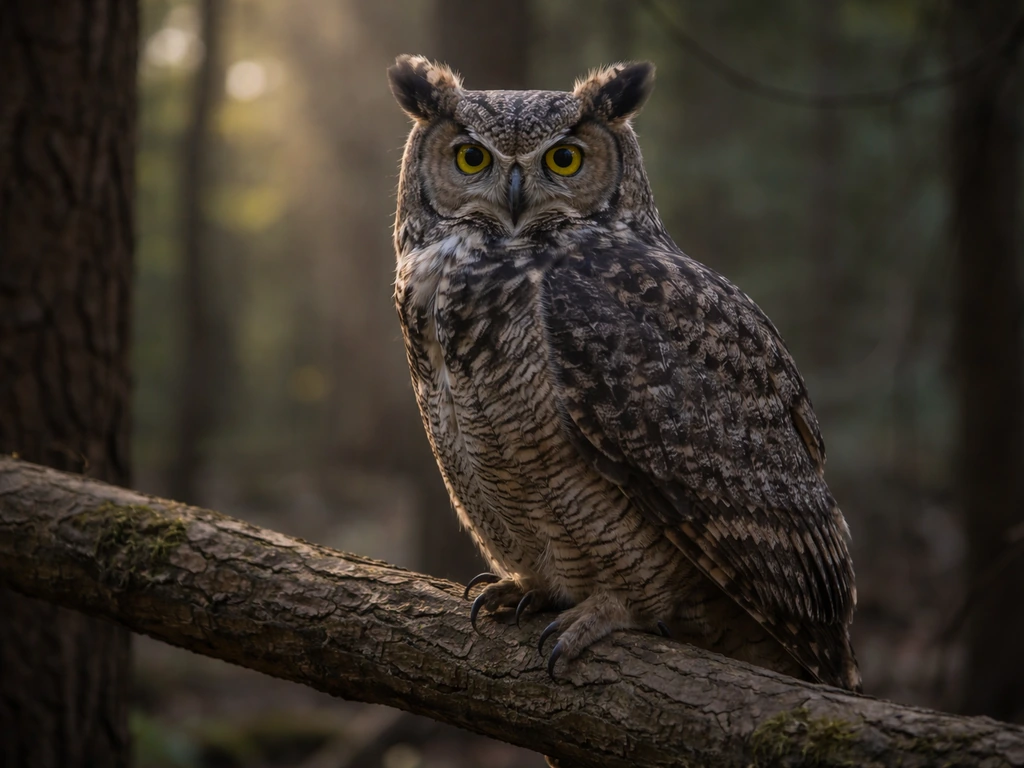
Both the Integrated Taxonomic Information System (ITIS) and the U.S. Fish and Wildlife Service formally classify owls under Kingdom Animalia, Class Aves (Birds), Order Strigiformes. That taxonomic path, Kingdom → Phylum → Class Aves → Order Strigiformes, is the scientific record. Encyclopaedia Britannica defines an owl as "any bird of prey" in the mostly nocturnal order Strigiformes, and the University of Michigan Museum of Zoology states plainly: "Owls are birds from the order Strigiformes." The classification is consistent across every credible scientific source you can find.
If you want to dig a little deeper into whether an owl is considered a bird by different scientific authorities or just want the long-form confirmation, that question has been covered in detail elsewhere on this site. But the short answer you came here for is: yes, categorically and officially.
Quick taxonomy refresher: "animal" vs. "bird"
The "owl is a bird or animal" phrasing trips people up because it treats "animal" and "bird" as mutually exclusive categories. They are not. Think of it like asking "is a Labrador a dog or a mammal?" It's both, because dogs are a type of mammal. The same logic applies here.
In biological taxonomy, the kingdom Animalia contains all animals: mammals, reptiles, fish, insects, and yes, birds. Birds are simply one class within that kingdom. So when you ask "is an owl a bird or an animal," the technically complete answer is: an owl is an animal that belongs to the class of animals we call birds. The two labels don't compete; one contains the other.
Why owls qualify as birds: the trait checklist
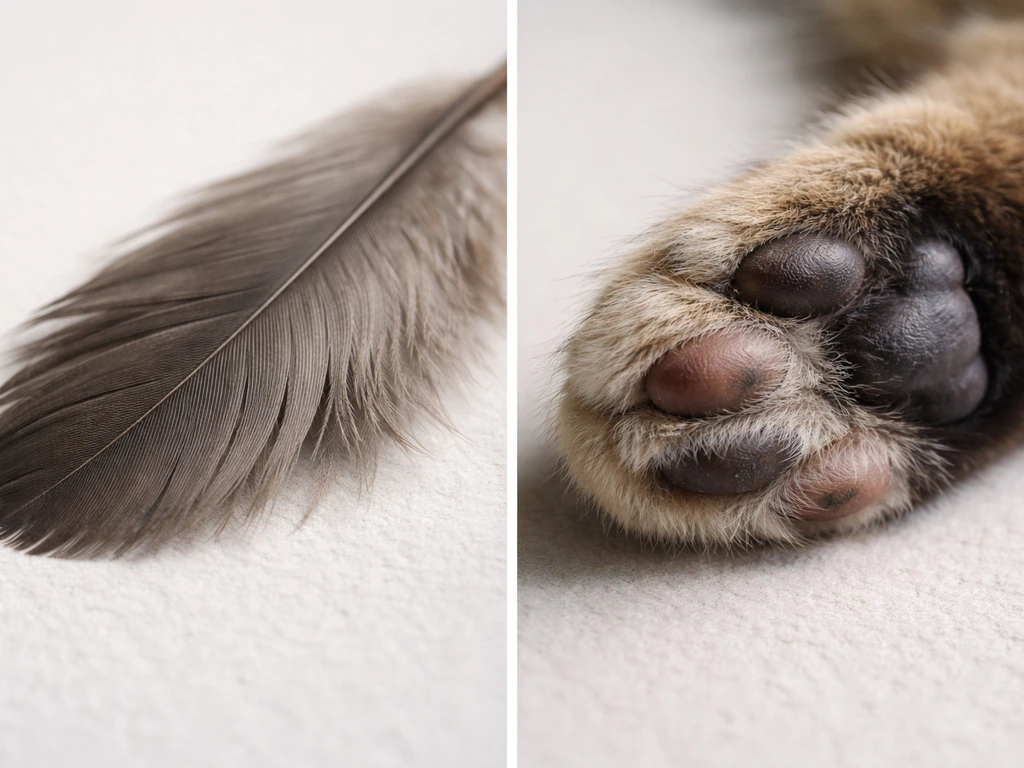
Taxonomy tells you where owls are classified, but the physical traits tell you why they belong there. The Field Museum puts it well: when someone asks what makes a bird a bird, the first thing that comes to mind is always feathers. Feathers are made of keratin, grown from follicles in the skin, and they are unique to birds. No other living animal group has them. Owls have feathers in abundance, including soft, modified feathers specifically structured to muffle the sound of their wingbeats during flight. That silent-flight adaptation is a classic owl feature, and it is built entirely from feather structure.
Beyond feathers, owls check every other box on the bird trait list. Cornell Lab of Ornithology frames the core biology accessibly: birds are warm-blooded (endothermic), which means they regulate their own body temperature internally, unlike reptiles. Owls are warm-blooded. They also lay eggs, have a beak with no teeth (as described in National Park Service educational material), and have a skeleton built for flight. Owls hit all of these.
- Feathers: owls have soft, thick feathers, including modified flight feathers that enable near-silent movement
- Beak: owls have a sharp, hooked bill with no teeth
- Warm-blooded: owls regulate their own body temperature (endothermic)
- Egg-laying: owls reproduce by laying eggs
- Talons: sharp claws used for hunting, a trait shared with other birds of prey
- Forward-facing eyes: large, fixed eyes adapted for low-light hunting
- Wings: fully developed wings used for powered flight
Every single trait on that list is a bird trait. Every single one applies to owls. If you're ever trying to figure out whether an owl is a type of bird or something else entirely, running through this checklist will get you to the right answer in about thirty seconds.
Where owls sit in the bird family tree
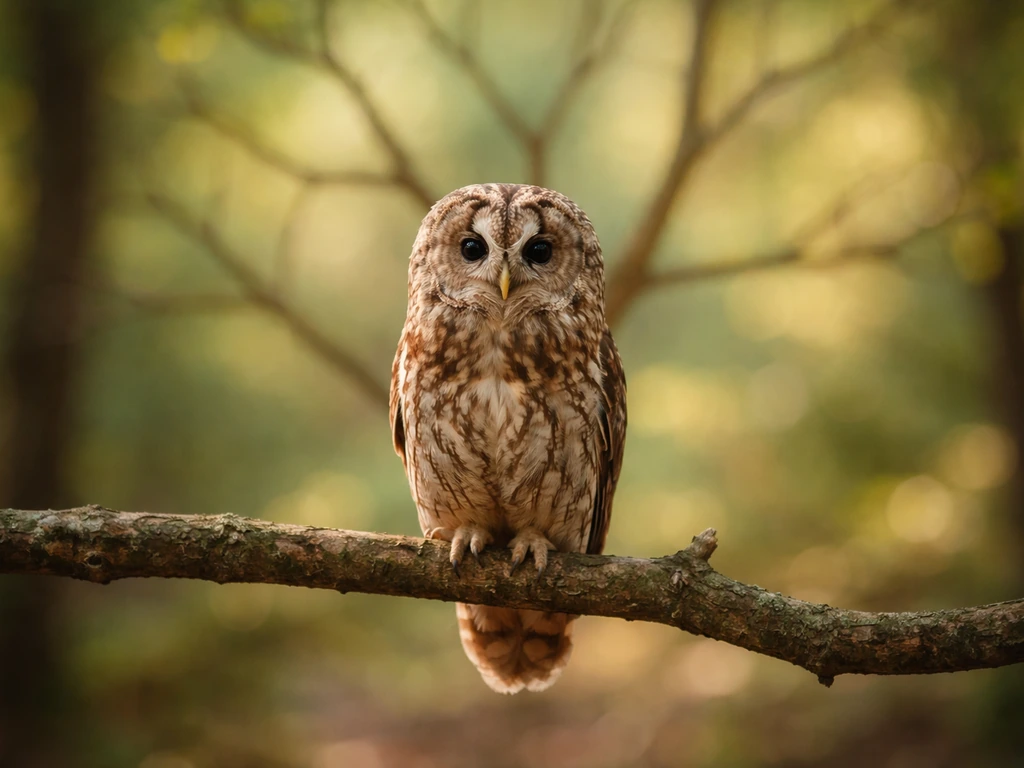
Within Class Aves, owls are placed in the order Strigiformes. That order splits into two families: Strigidae (the typical owls, which covers the vast majority of species like barn owls excluded) and Tytonidae (the barn owls and their relatives). Tytonidae barn owls are recognizable by their distinctive heart-shaped facial disk and slightly different body proportions from typical owls, but both families sit firmly under the same avian order.
Owls are also classified as birds of prey, which puts them in informal company with hawks, eagles, and falcons. Wondering exactly whether an owl is a bird of prey in the strict sense is a fair follow-up question, because the term has both a colloquial use and a more precise scientific meaning. The short version: yes, owls are birds of prey by any reasonable definition, since they hunt live animals using talons and a hooked beak.
| Classification Level | Owl's Place |
|---|---|
| Kingdom | Animalia |
| Phylum | Chordata |
| Class | Aves (Birds) |
| Order | Strigiformes |
| Families | Strigidae (typical owls) and Tytonidae (barn owls) |
Common confusion: animals mistaken for birds (and how to avoid it)
The most common mix-up is between birds and bats. Both fly, both are warm-blooded, both are active at dusk, and since owls are nocturnal, people sometimes observe a flying shape in low light and genuinely aren't sure what they're looking at. The Natural History Museum has a whole guide dedicated to telling bats apart from birds in flight, which tells you this confusion is real and widespread. The key distinction: bats are mammals. They have fur, not feathers. Their wings are made of a membrane stretched between elongated finger bones. No feathers, no beak, no bird.
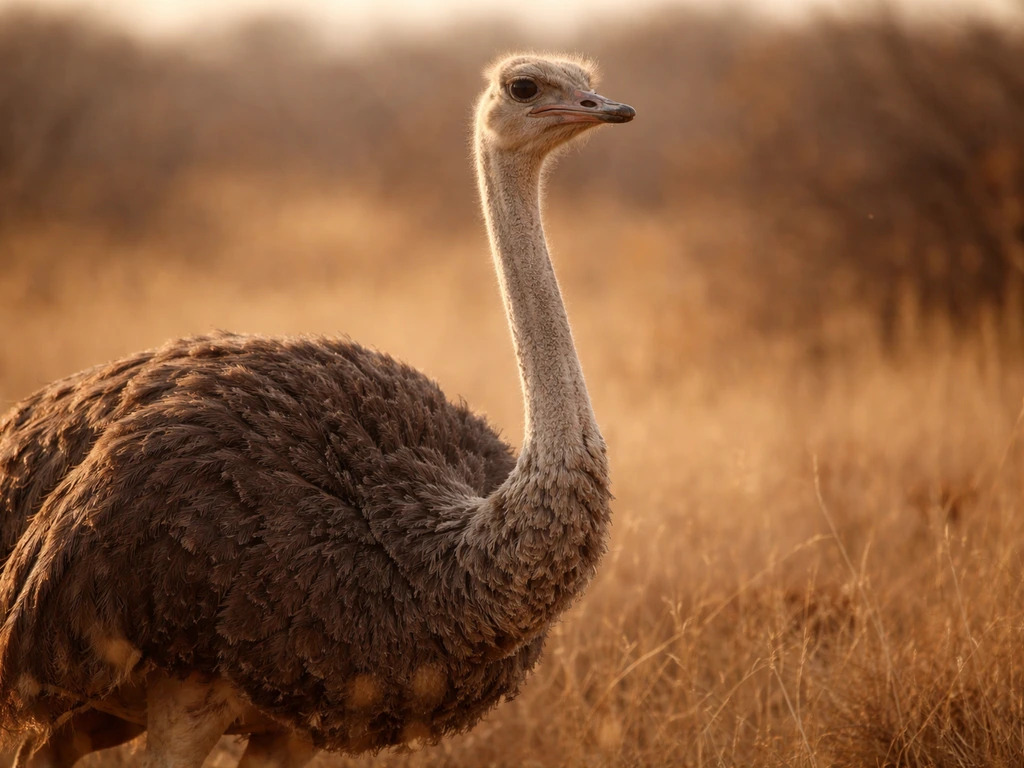
Another less common but worth-mentioning case is large flightless birds. Some people question whether something like an ostrich is "really" a bird because it can't fly and looks so unlike a sparrow. The answer is yes, absolutely. An ostrich is a bird in every biological sense: it has feathers, a beak, lays eggs, and is warm-blooded. Flight is not a requirement for bird status. If you want the deeper breakdown of why ostriches count, the question of whether an ostrich is considered a bird gets into exactly that.
There are also stranger edge cases in taxonomy. The creature Oculudentavis, for example, sparked a genuine scientific debate about whether a tiny fossilized skull belonged to a bird or a lizard. That kind of confusion is rare and involves microscopic fossil analysis, not everyday animals. For any living species you encounter, the checklist above, feathers, beak, warm-blooded, egg-laying, will reliably tell you whether you're looking at a bird.
Audubon's guidance on bird identification makes a useful broader point: don't rely on a single trait when identifying an animal. Size can be hard to judge in the field, behavior can be misleading, and some animals mimic others. Use multiple clues together. For owls specifically, the combination of feathers, a hooked toothless beak, talons, and warm-blooded physiology leaves no room for doubt. They are birds, and they are some of the most unmistakably bird-like birds in the world.
So why does the confusion happen at all?
The "bird or animal" phrasing mostly comes from the way we learn language as kids. Adults often say "look at that bird" versus "look at that animal" as if they're different categories, which embeds the idea that birds and animals are separate things. They are not. Once you understand that birds are a subcategory within the animal kingdom, the question resolves itself. An owl is an animal. It is also a bird. Those two facts coexist without any contradiction.
The "or not" version of the question ("is an owl a bird or not?") sometimes reflects a genuine moment of self-doubt, especially when people notice how different owls look from the small songbirds most of us picture when we say "bird." Owls are large, have flat faces, rotate their heads nearly all the way around, and hunt like miniature predators. They feel different. But feeling different from a robin doesn't change the biology. The traits are there, the taxonomy is settled, and the classification is unanimous.
FAQ
Is an owl a bird if it spends most of its time hunting at night?
Yes. Nocturnal behavior does not affect classification. Owls are still in Class Aves, and the bird traits (feathers, beak, warm-blooded metabolism, egg-laying) apply regardless of when they are active.
How can I tell an owl apart from a bat when I see a silhouette at dusk?
Use the “feathers or not” test. Birds have visible feathers and a beak, even if small or not sharply defined in low light. Bats have fur and wings made from a membrane between elongated finger bones, and they do not have a beak or feathered body outline.
Do owls have teeth like some other predators, or is their beak different?
Owls have a hooked beak but no teeth in the way many mammals do. Their gripping and tearing is done primarily with talons and the shape of the beak, while digestion happens internally after swallowing prey pieces.
Can an owl be considered a bird of prey even if someone uses the term loosely?
In practice, yes. Owls hunt live animals using talons and a hooked beak, which matches the common meaning of birds of prey. If someone is using a strict, scientific definition tied to a specific subgroup, it can matter, but owls still fit the functional “predatory hunter” description.
Is flight required for something to be a bird, like it is for many people’s mental picture?
No. Being able to fly is not a requirement for bird status. Flightless birds like ostriches are still birds because they have core avian traits, including feathers, a beak, egg-laying, and warm-blooded physiology.
What if I only see the owl briefly, like a quick shape in the trees, can I still confirm it?
Yes, but rely on multiple clues. A quick silhouette can be deceptive, so look for at least two bird markers such as an owl-like face disk (often visible), a feathered outline, and a perched posture. If you can’t see those, assume it could be something else and wait for clearer views.
Do all owls share the same face shape and hunting style?
They share core traits of the owl group, but details vary by species. For example, barn owls typically have a more distinct heart-shaped facial disk than many typical owls, and their body proportions can differ slightly. Differences do not change the fact that all of them are birds.
Could a tiny fossil or unusual case make people doubt whether owls are birds?
For everyday animals, no. Confusion like “bird versus lizard” debates happens with rare, microscopic fossil evidence and is not relevant to living animals you can observe. For a living species, the feather, beak, warm-blooded, and egg-laying checklist is reliable.
Next Article
Ostrich Is a Bird: Why It Qualifies and Fits the Taxonomy
Learn why ostriches are birds, how taxonomy works, and whether flight is required for bird status.