Yes, owls are absolutely birds. Every owl species on the planet belongs to Class Aves, the scientific class that defines all birds. More specifically, owls fall under the order Strigiformes, which is split into two families: Tytonidae (barn owls) and Strigidae (true owls). This is confirmed by every major taxonomic authority you can check, including GBIF, ITIS, the U.S. Fish and Wildlife Service, and the Animal Diversity Web. There is no debate in biology here. Owls are birds, full stop.
Is an Owl Considered a Bird Yes or No and Why

Marcus Hendricks
24 Apr 2026
What actually makes an animal a bird
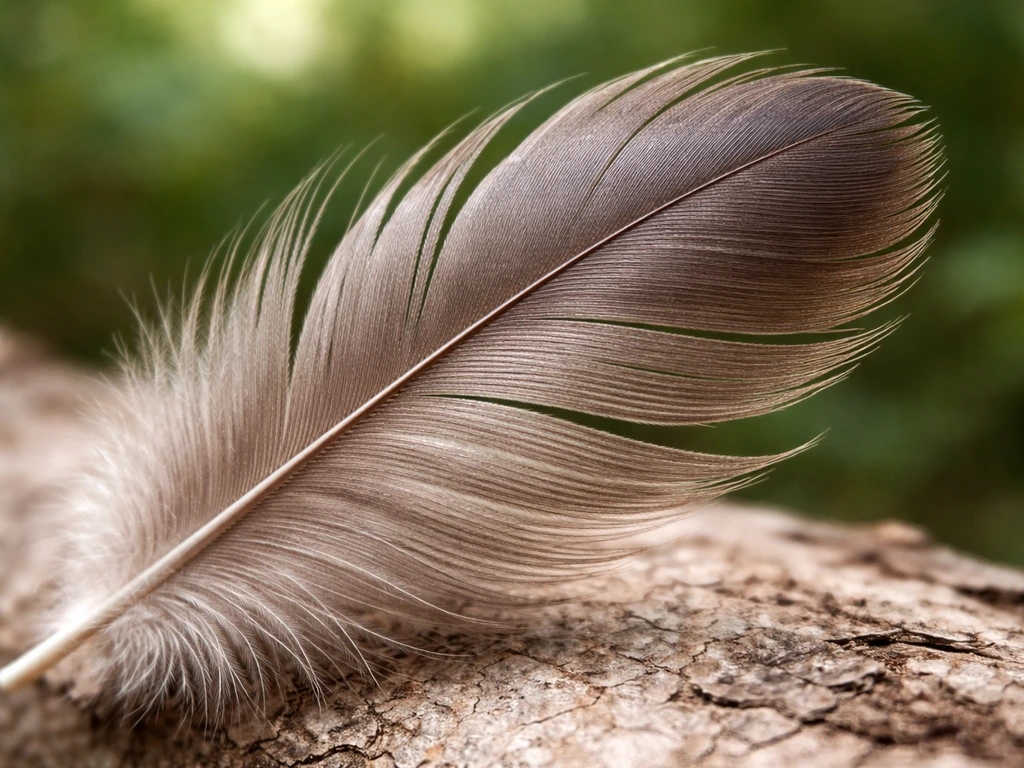
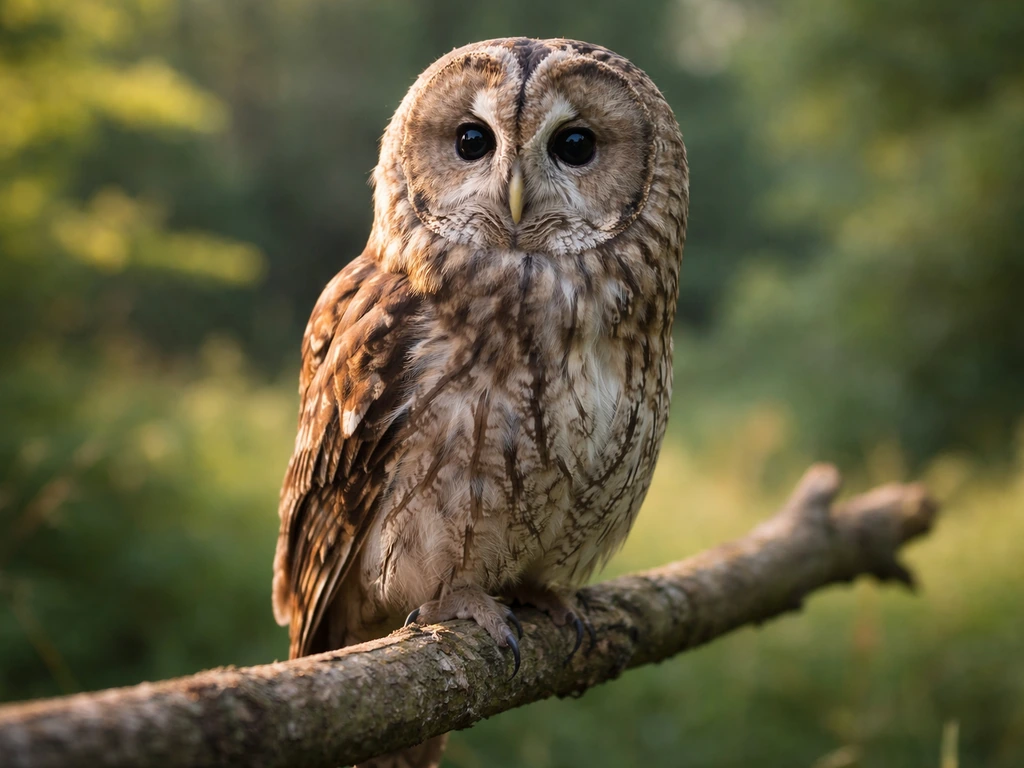
A bird is any animal that belongs to Class Aves, and that membership comes down to a specific set of biological traits. These are not vague or subjective, they are concrete, observable features that scientists use to draw a firm line between birds and everything else.
- Feathers: the single most distinctive trait of Class Aves. No other living animal group has them.
- A beak (bill) with no teeth: birds have keratinous beaks instead of toothed jaws.
- Warm-blooded (endothermic): birds maintain a stable internal body temperature regardless of their environment.
- A four-chambered heart: this is shared with mammals but distinguishes birds from most reptiles.
- Hard-shelled, calcium-rich eggs: birds reproduce by laying eggs with rigid shells.
- A lightweight skeleton with hollow bones, adapted for flight in most species.
If an animal checks those boxes, it is a bird. Flight is not on that list, by the way. Ostriches cannot fly, and they are still birds. What matters is the biological package, not the behavior. Owls have feathers, a beak, warm blood, a four-chambered heart, and lay hard-shelled eggs. That is the checklist, and owls pass it completely.
Why owls feel weirdly 'un-bird-like' to a lot of people
If owls are clearly birds, why does this question keep coming up? So if you are still wondering, “is an owl a type of bird,” the key answer is that owls are Class Aves birds even if they feel un-bird-like to many people. Because owls look and behave almost nothing like the birds most people picture when they hear the word. When the average person thinks 'bird,' they imagine a small songbird hopping around a feeder, chirping in daylight. Owls break basically every part of that mental image.
Start with the face. Owls have a facial disc, a circular arrangement of stiff feathers radiating around their eyes that funnels sound toward their ears the way a satellite dish funnels a signal. It gives them an eerily forward-facing, almost mammalian appearance. Combine that with large flat eyes and you get something that looks less like a robin and more like a very judgmental cat.
Then there is the silence. Most birds you hear before you see them. Owls are the opposite. Their feathers have specialized structures including leading-edge serrations and a velvety, downy surface layer that breaks up turbulent airflow and dampens sound. The result is near-silent flight. You can be standing outdoors at night and have a great horned owl swoop past your head without hearing a thing. That is deeply unsettling, and it does not match most people's experience of birds.
Add in nocturnal behavior, a hooked predatory bill, and the fact that owls hunt and kill vertebrates, and you have an animal that just does not fit the casual, everyday definition of 'bird' that most of us carry around. But everyday definitions and scientific classifications are not the same thing, and the science here is unambiguous.
Where owls sit in the bird family tree
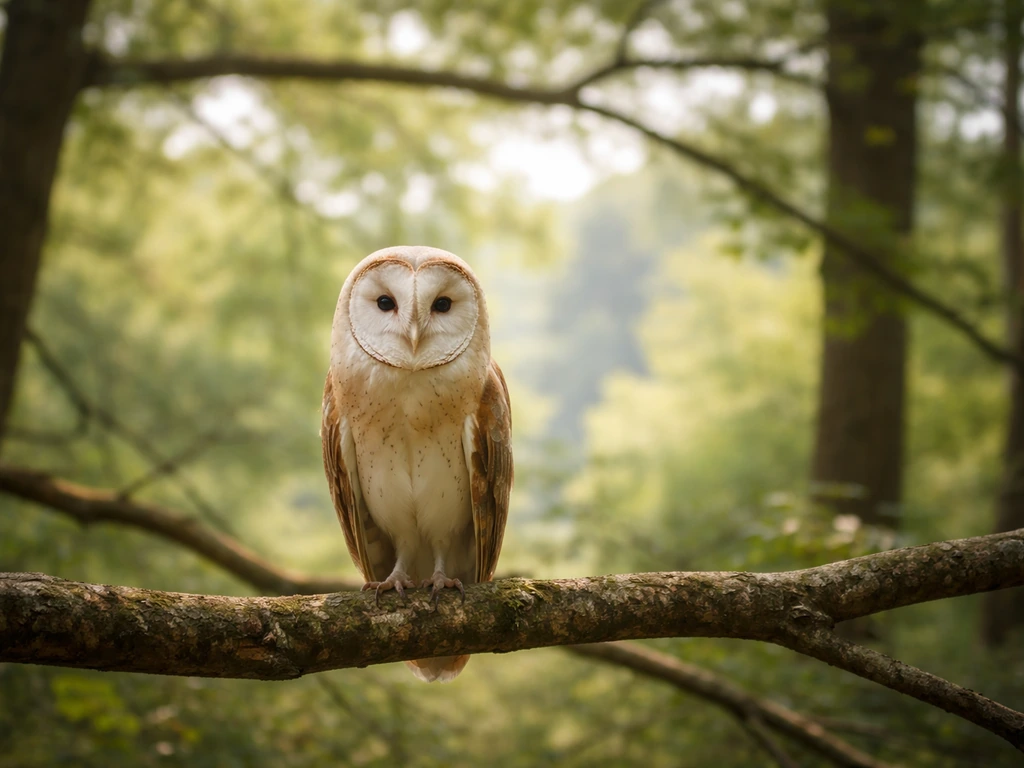
Taxonomically, owls are nested firmly inside Class Aves. Here is the exact hierarchy so you can see it clearly:
- Kingdom: Animalia
- Phylum: Chordata
- Class: Aves (birds)
- Order: Strigiformes (owls)
- Family: Tytonidae (barn owls) or Strigidae (true owls)
- Genus and species (e.g., Bubo virginianus, the great horned owl)
Molecular phylogeny studies using DNA sequences including mitochondrial cytochrome b and nuclear RAG-1 genes confirm that Strigiformes form a monophyletic group, meaning all owls share a single common ancestor and evolved together as a coherent branch of birds. They are not an outlier or a quirky exception. They are a well-defined avian order with millions of years of shared evolutionary history. The GBIF Backbone Taxonomy, ITIS, and NCBI's biomedical taxonomy all list Strigiformes under Class Aves, which is as official as scientific classification gets.
It is worth noting that the question of whether owls count as birds of prey (raptors) is a separate and slightly more complicated one, since 'raptor' is an informal grouping rather than a strict taxonomic rank. So if you are asking, is an owl a bird of prey, the answer depends on how you define raptors, but the owl’s hunting style is clearly raptorial birds of prey. But whether owls are birds at all? That is not a close call.
How to check if any animal is a bird
The next time you are arguing with someone about whether some creature counts as a bird, here is a quick, practical workflow that actually works.
- Look up the scientific name: Every recognized species has one. If you only have a common name, search '[animal name] scientific name' and grab the Latin binomial (e.g., Bubo virginianus).
- Check the class in a reliable taxonomy database: Go to GBIF (gbif.org), ITIS (itis.gov), or the Animal Diversity Web. Search the scientific name and look for 'Class.' If it says Aves, it is a bird.
- Apply the trait checklist as a quick pre-check: Does it have feathers? A toothless beak? Does it lay hard-shelled eggs? If yes to all three, you are almost certainly looking at a bird. These three alone are highly diagnostic.
- Check the order name: Bird orders all end in '-formes' (Strigiformes, Passeriformes, Columbiformes, etc.). If the order follows that pattern, you are in Aves territory.
- When in doubt, ignore behavior and appearance: Flight, nocturnality, diet, and body shape can all mislead you. Classification is about ancestry and biology, not lifestyle.
This same approach works for other animals that generate similar confusion. Ostriches are birds too, so the same core trait-based definition applies. Ostriches, penguins, and cassowaries all look wildly different from a typical bird and cannot fly, but they are all firmly in Class Aves for the same biological reasons owls are. Ostriches, penguins, and cassowaries can cause the same confusion as the question “is an ostrich considered a bird,” but they are all firmly in Class Aves for the same biological reasons owls are.
Birds vs. everything else: a quick reference
To make the classification even cleaner, here is a side-by-side comparison of birds against the animal groups they are most commonly confused with.
| Feature | Birds (Class Aves) | Mammals | Reptiles |
|---|---|---|---|
| Feathers | Yes, always | No (hair/fur instead) | No (scales instead) |
| Beak/bill | Yes, no teeth | No (most have teeth) | No (most have teeth) |
| Warm-blooded | Yes | Yes | No (cold-blooded) |
| Four-chambered heart | Yes | Yes | Partially (crocodilians yes, others no) |
| Egg-laying | Yes, hard-shelled | Most give birth live (platypus exception) | Yes, but leathery/soft shells |
| Milk production | No | Yes (defines mammals) | No |
| Examples | Owls, ostriches, sparrows | Bats, dolphins, humans | Lizards, snakes, crocodiles |
The feathers column is your fastest shortcut. Feathers are exclusive to birds. Britannica describes birds as class Aves and notes that birds are distinguished by feathers and other anatomical and physiological features Feathers are exclusive to birds.. No mammal, no reptile, no amphibian has them. If you can confirm feathers, you have confirmed a bird, and owls are covered in them from their facial disc to their flight feathers to the velvety down that makes their flight so silent.
The bottom line
Owls are birds. They belong to Class Aves, order Strigiformes, and every credible scientific taxonomy on the planet agrees on this. The confusion comes from owls looking and acting so differently from the birds most people encounter daily, but appearance and behavior are not what define a bird. Biology does, and on every biological measure that matters, owls qualify completely. The next time someone tries to tell you owls are somehow in a category of their own, you now have the taxonomy, the traits, and the plain-language explanation to settle it.
FAQ
Are owls birds even though they do not sing like most birds?
Yes. Sound and singing behavior are not what make something a bird. Owls are classified as birds because of their anatomy and biology, such as feathers, a beak, warm-blooded metabolism, and hard-shelled eggs.
Do owls being nocturnal make them not birds?
No. Many birds are active at night or low light, and time of day is behavior, not classification criteria. What matters for “bird” status is the shared avian body plan traits, which owls have.
Is an owl a bird of prey (raptor)?
Owls are usually treated as birds of prey in everyday language because they hunt with raptorial traits (hooked bill, predatory hunting style). However, “raptor” is not a formal taxonomic rank, so the exact answer can vary depending on how someone defines the term.
Can owls be considered birds if someone only sees them briefly and cannot confirm feathers?
In general, you should not guess based on appearance alone. If you cannot confirm feathers (or at least clear avian traits like a beak and egg-laying as part of the species’ biology), the safest approach is to rely on the species identification rather than visual assumptions.
Why do people confuse owls with mammals like cats or bats?
Because certain owl features can look mammal-like (for example, the facial disc) and their flight is unusually quiet. But those are adaptations within a bird body plan. Mammals and bats have different defining traits, and they do not lay hard-shelled eggs with feathers.
Are there any “owl-like” creatures that are not birds?
Yes. Some animals can resemble owls in silhouette or hunting style, such as certain mammals or reptiles with nocturnal habits. They are not birds unless they belong to Class Aves and have the core avian traits, especially feathers.
How can I quickly verify that an animal is a bird if it is unfamiliar?
Use the fastest reliable checks first: confirm feathers, look for a beak structure, and consider reproductive traits (birds lay hard-shelled eggs). If you are still unsure, species ID by credible references is better than relying on behavior like silence or nocturnality.
Do owls have all the same core bird traits as other birds, or are they exceptions?
They have the core avian traits. For example, owls have feathers (including specialized downy layers for flight), they are warm-blooded, they have the typical four-chambered heart, and they lay hard-shelled eggs, even if they differ from songbirds in looks and behavior.
Next Articles
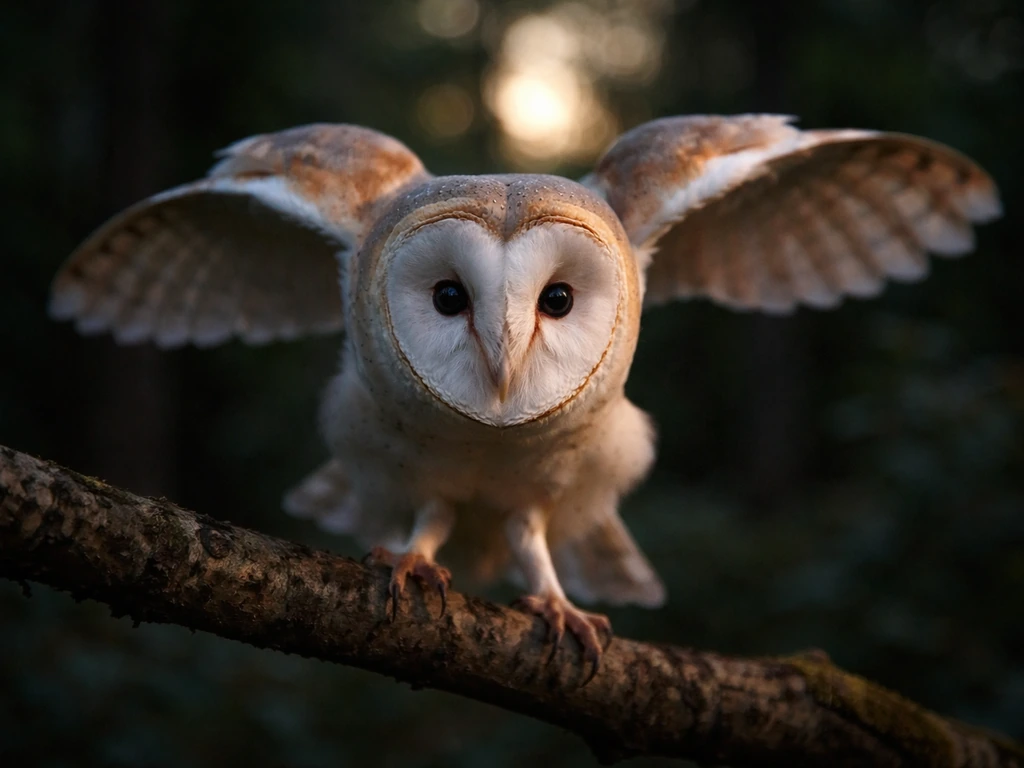
Is an Owl a Bird of Prey? Yes and Here’s Why
Yes, owls are predatory hunters, but they are not raptors in formal taxonomy; barn owls fit the owl group.
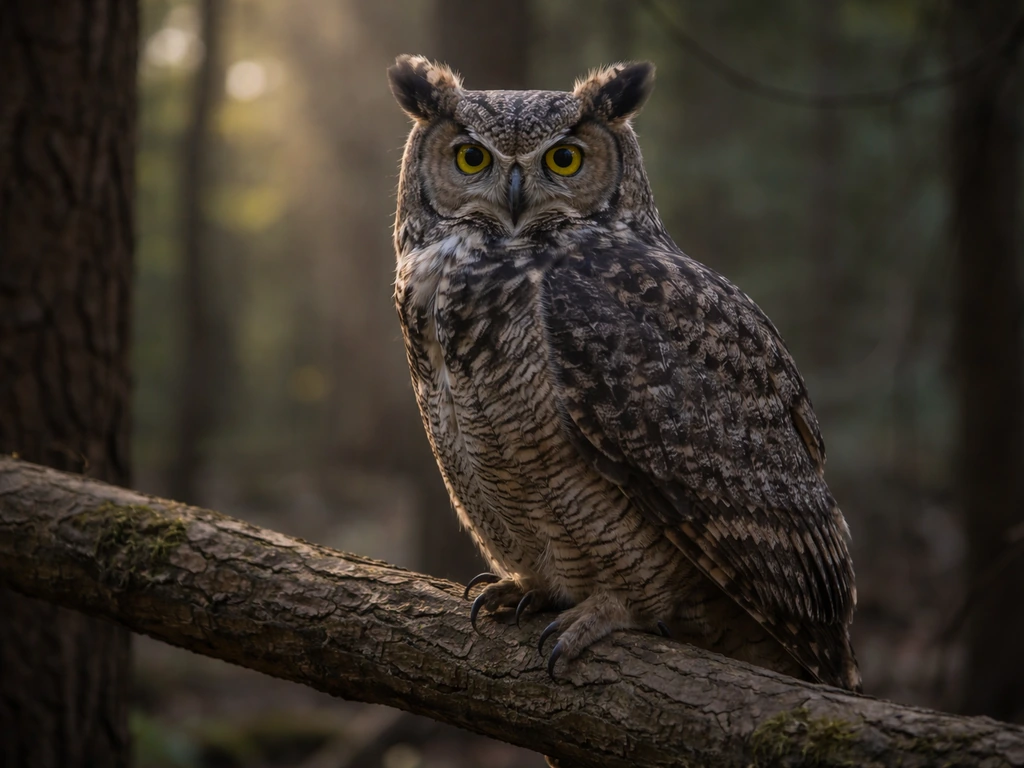
Is an Owl a Bird? Yes and How to Tell for Sure
Yes, owls are birds. Learn the key traits that define birds and quick ways to confirm it.
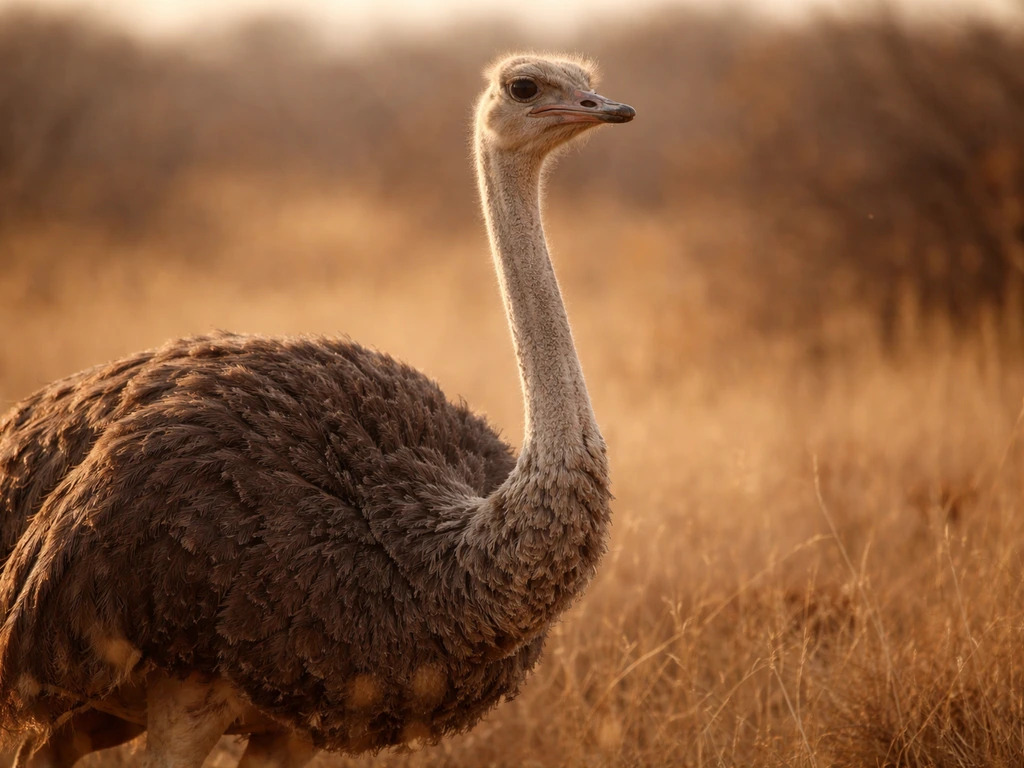
Ostrich Is a Bird: Why It Qualifies and Fits the Taxonomy
Learn why ostriches are birds, how taxonomy works, and whether flight is required for bird status.