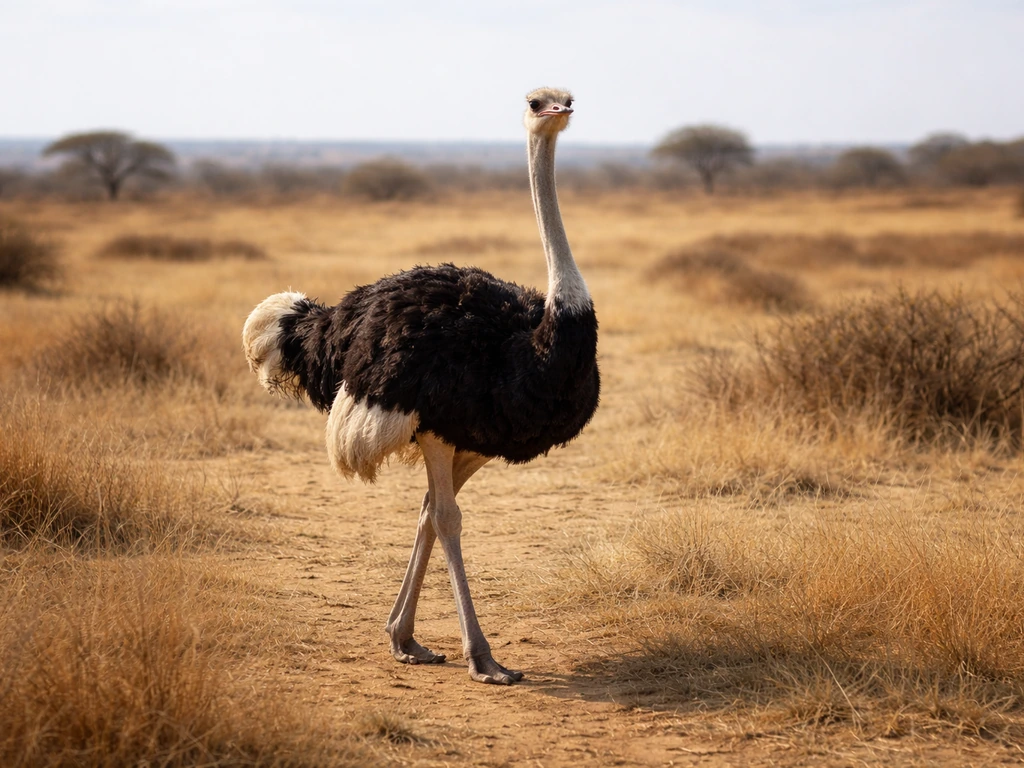
Yes, owls are birds. Full stop. Every owl species on the planet blank" rel="noopener noreferrer">belongs to Class Aves, the scientific grouping that contains all birds, and sits within the order Strigiformes. Whether you're looking at a tiny Elf Owl or a massive Eurasian Eagle-Owl, you're looking at a bird, the same as a robin, a penguin, or an ostrich.
Is an Owl a Type of Bird? Quick Taxonomy Answer

Marcus Hendricks
2 Jun 2026
What actually makes something a bird
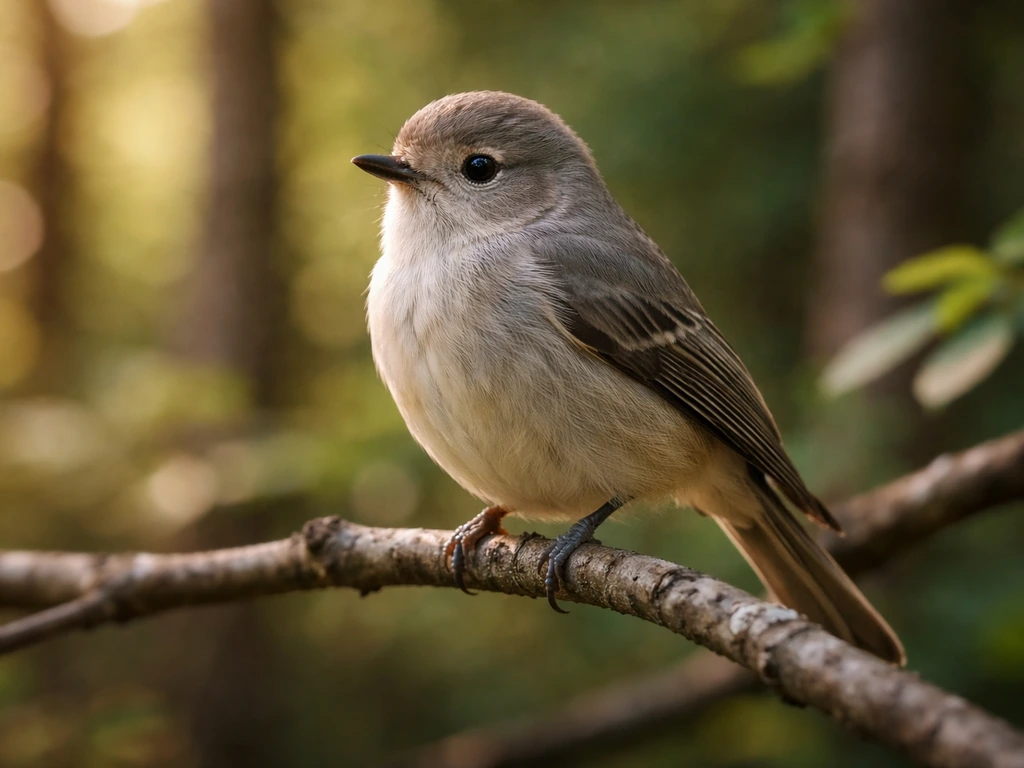
This is the question worth nailing down before anything else, because once you know the criteria, confirming any animal's status becomes easy. According to the Smithsonian National Museum of Natural History, three traits define birds above everything else: feathers, hollow bones, and hard-shelled eggs. No other group of animals has all three. Feathers are especially definitive. As Britannica puts it, feathers are the single feature that separates birds from every other vertebrate group alive today. San Diego Zoo reinforces this: birds are the only animals with feathers, period.
Beyond feathers, birds are warm-blooded (endothermic), which means they regulate their own body temperature internally. Their forelimbs are modified into wings, even when they can't fly, and they have a beak rather than teeth. All of this maps neatly onto what you see in an owl.
- Feathers (the single most definitive bird trait, unique to birds)
- Hollow, lightweight bones
- Hard-shelled eggs
- Warm-blooded metabolism
- Forelimbs modified into wings
- Beak instead of teeth
Where owls sit in the bird family tree
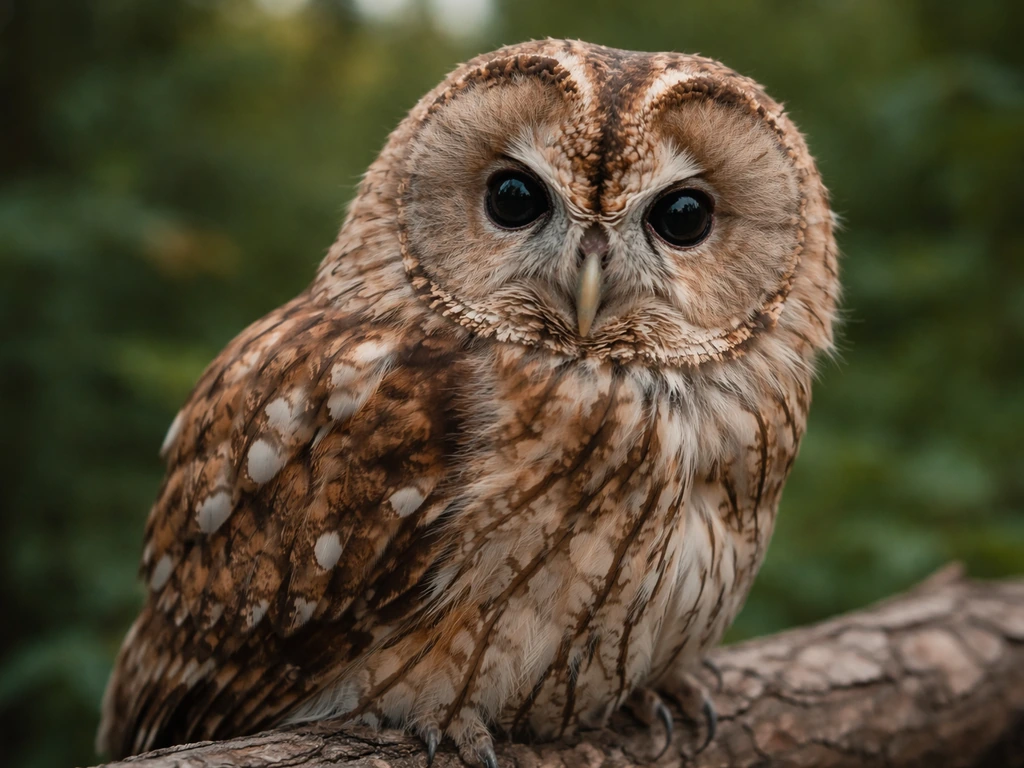
Owls occupy the order Strigiformes, which sits inside Class Aves. The U.S. Fish and Wildlife Service, ITIS, the NCBI Taxonomy Browser, and Animal Diversity Web all show the same hierarchy: Class Aves, Order Strigiformes. That's the formal taxonomic address that places owls squarely in the bird family tree, not adjacent to it or loosely associated with it.
Within Strigiformes there are two families. Tytonidae covers barn owls and their relatives, a smaller group with heart-shaped facial discs. Strigidae, often called the true owls, is far larger, containing around 230 living species across 23 genera. Add the Tytonidae species and the total comes to roughly 254 recognized owl species worldwide according to the IOC. So when someone asks whether an owl is a type of bird, the answer covers over 250 distinct species, all of them birds.
| Taxonomic Rank | Owl Classification |
|---|---|
| Kingdom | Animalia |
| Phylum | Chordata |
| Class | Aves (Birds) |
| Order | Strigiformes |
| Families | Tytonidae (barn owls), Strigidae (true owls) |
| Approx. species | 254 |
How owls are like other birds, and how they're different
Owls share every core bird trait: they have feathers, hollow bones, lay hard-shelled eggs, maintain their own body temperature, and have wings. What makes owls feel distinct is a set of adaptations stacked on top of the standard bird blueprint, all aimed at making them exceptional nocturnal hunters.
Silent flight engineering
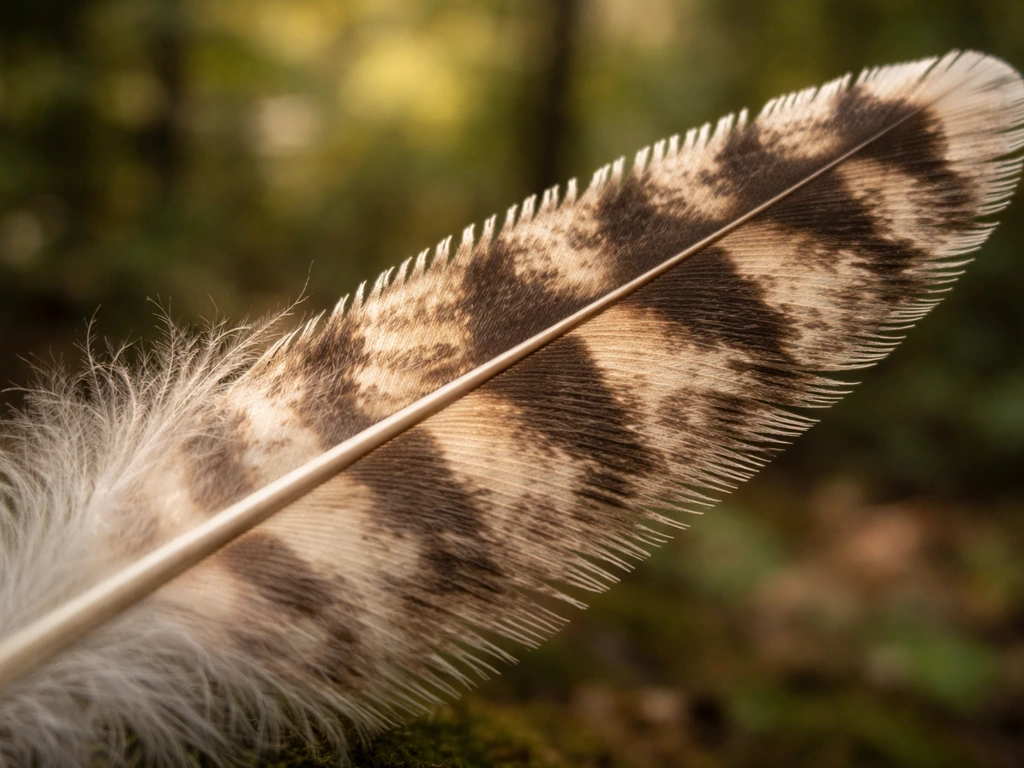
Owls fly with almost no sound, which is unusual among birds. Research published in PMC explains exactly how: owl flight feathers have a comb-like leading edge, velvety surface texture on the dorsal side, and serrated fringes along the trailing edge. The Audubon Society describes these serrated fringes as essentially breaking up turbulence as air flows over the wing, eliminating the noise most birds produce in flight. This is a bird-specific adaptation (feathers doing specialized work), not something that moves owls out of the bird category.
Asymmetric ears and 3D hearing
Many owls have ear openings placed asymmetrically on their skull, one slightly higher than the other. Yale University Press describes these openings as proportionally large and concealed under feathers, allowing owls to triangulate sound in three dimensions. This is how a Barn Owl can catch a mouse under snow in total darkness. It's a remarkable specialization, but it's built on the standard bird skull architecture.
Talons designed for predation
Owls are birds of prey, and their feet reflect that. Their talons are adapted specifically for gripping and killing prey, with ecomorphological features that vary by the type of prey each species hunts. Other birds of prey like hawks and eagles share this general foot structure. Owls just take it into the nocturnal niche.
Common mix-ups: owls vs. bats and other wildlife
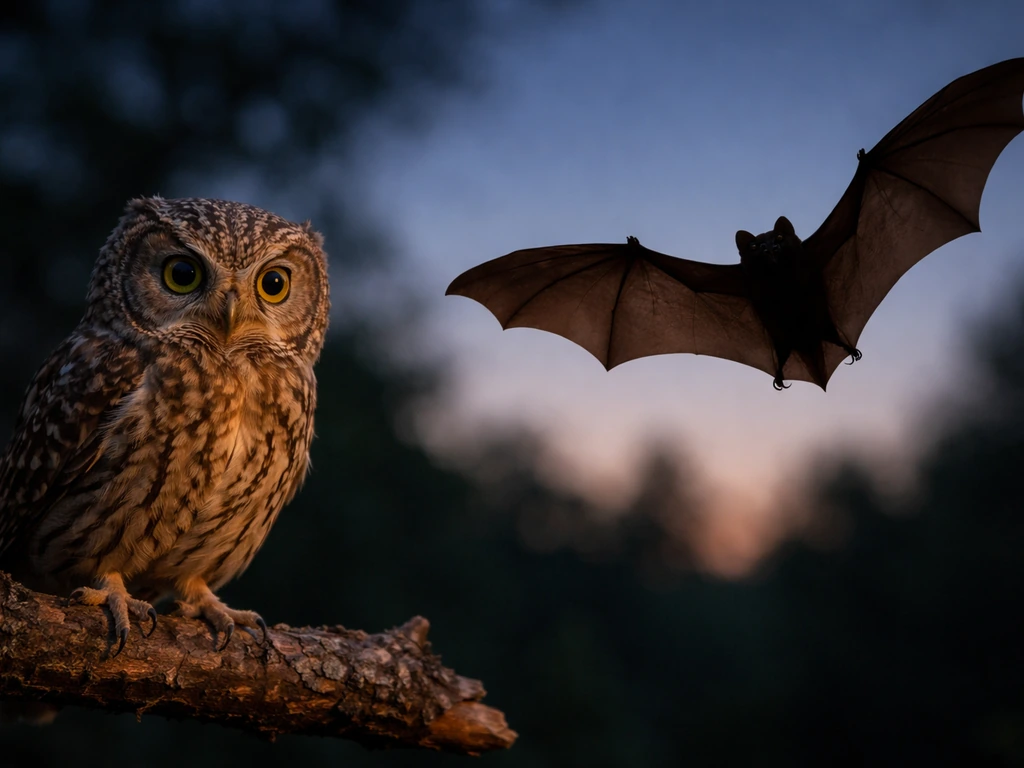
The most common source of confusion around owls is bats. Both are nocturnal, both fly, and both hunt at night. It's a reasonable thing to mix up if you spot something silhouetted against a dark sky. But the differences are fundamental, not superficial.
| Trait | Owls (Birds) | Bats (Mammals) |
|---|---|---|
| Class | Aves | Mammalia |
| Feathers | Yes | No (fur/skin) |
| Hollow bones | Yes | No |
| Eggs | Hard-shelled | Give birth to live young |
| Wings made of | Feathers on modified forelimbs | Skin membrane (patagium) |
| Navigation | Vision + asymmetric hearing | Echolocation |
| Warm-blooded | Yes | Yes |
| Order | Strigiformes | Chiroptera |
Bats are mammals, classified in order Chiroptera. The Smithsonian identifies bats this way explicitly. The U.S. National Park Service notes that bats navigate and find prey using echolocation, a sonar-like system that no owl uses. Owls rely on exceptional vision and their asymmetric hearing. Bats have no feathers, have no hollow bones, and give birth to live young rather than laying eggs. They fail all three of the Smithsonian's bird criteria at once.
Beyond bats, owls are sometimes loosely grouped with other nocturnal or predatory animals in casual conversation, but none of them cause real taxonomic confusion once you apply the basic criteria. If it has feathers, hollow bones, and lays hard-shelled eggs, it's a bird. Owls have all three. Bats, raccoons, flying squirrels, and similar nocturnal animals have none of them.
It's worth noting that owls are a distinct enough group that they sometimes get their own dedicated questions on sites like this one. The question of whether owls specifically count as birds of prey (raptors) is slightly more nuanced than simply whether they're birds, and other animals like ostriches come up in the same kind of debate. A closely related question is whether an ostrich is an ostrich considered a bird, which you can verify by checking the same key traits and its classification. The core answer is always the same: check the Class, check the key traits, and the answer becomes clear.
How to verify any animal's bird status yourself
If you ever want to settle one of these questions for any animal, the process is straightforward. A good way to apply these criteria to a confusing fossil or animal name, like Oculudentavis, is to check whether it matches the core bird traits is oculudentavis a bird. You don't need a biology degree. You just need to know where to look and what to look for.
- Check the animal's Class. Search the animal name on Animal Diversity Web (animaldiversity.org) or ITIS (itis.gov). Both show full taxonomic hierarchy. If the Class field says Aves, it's a bird.
- Apply the three-trait checklist. Does it have feathers? Hollow bones? Hard-shelled eggs? A yes to all three confirms a bird. A no on any one of them almost certainly means it isn't.
- Confirm the Order. For owls, you're looking for Strigiformes. For other birds, you'll see orders like Passeriformes (songbirds), Falconiformes (falcons), or Sphenisciformes (penguins). The Order tells you which branch of the bird family tree the animal occupies.
- Cross-check with the U.S. Fish and Wildlife Service species pages if the animal is North American. The FWS lists Class and Order directly on each species profile, making it a fast confirmation.
- When in doubt, use NCBI's Taxonomy Browser. Search the species name, click through the hierarchy, and look for Aves above the Order level. It's the most authoritative genomic and taxonomic database available publicly.
One thing worth keeping in mind, as Britannica notes, is that taxonomy ranks like class and order don't have a single rigid universal definition. That's why cross-checking two or three reputable sources (ITIS, Animal Diversity Web, FWS) is better than relying on just one. When multiple authoritative databases agree, you can be confident in the answer. For owls, every single one of them agrees: Class Aves, Order Strigiformes, unambiguously a bird.
FAQ
Are owls considered birds even if an owl cannot fly well or at all?
Yes. Flight ability does not determine whether an animal is a bird, what matters is the bird body plan, including feathers, hollow bones, and hard-shelled egg-laying. Injured or unusually heavy-bodied owls still remain birds.
Do all owls lay hard-shelled eggs like other birds?
Yes, all owls reproduce by laying eggs with hard shells. That is part of the shared bird reproductive trait set, so you should not expect any owl species to switch to live birth like mammals.
Is an owl a “raptor” (bird of prey), or are those categories separate?
Owls are birds of prey in the common biological sense because they hunt and kill using talons and predatory hunting adaptations. However, “raptor” can be used more narrowly in some guides, so it helps to confirm both the owl’s family (Strigiformes) and its predatory feeding behavior when precision matters.
Could an owl ever be confused with another bird, like a nightjar or a similar-looking species?
Visual similarity can happen at night, but the resolution method is trait-based. Owls will still show bird traits like feathers and hard-shelled eggs, and their distinctive face shape and asymmetrical ear setup (in many species) can help distinguish them from non-owl night hunters.
Are owls the only nocturnal birds, or are there other nocturnal birds besides owls?
There are many nocturnal or crepuscular birds besides owls, such as some nightjars and certain shorebirds. Owls are unique in how specialized they are for silent flight and 3D hearing, but they are not the only nocturnal birds.
What is the easiest way to check whether something “looks like a bird” is actually a bird?
Start with the three hard criteria: feathers, hollow bones, and hard-shelled eggs. If even one is missing, treat the classification as unlikely, then verify with an authoritative taxonomy source.
Do baby owls count as birds too, even before they develop feathers?
Yes. Chicks hatch from hard-shelled eggs and are already within the bird lineage. They may have limited feathers at first, but they are still birds because the classification is biological and reproductive, not based only on how “feathered” they look immediately after hatching.
Are owls warm-blooded like other birds?
Yes. Owls are endothermic, meaning they generate and regulate body heat internally like other birds. That matters because it distinguishes them from ectothermic animals that may be active at night but do not maintain body temperature the same way.
How do owls differ from bats when both are nocturnal flyers?
Bats are mammals, so they lack feathers, hollow bones, and egg-laying with hard shells, and they use echolocation to locate prey. Owls rely on vision and specialized hearing, and they have the full bird trait set.
Next Article
Is an Ostrich Considered a Bird? Facts, Classification
Yes, an ostrich is a bird: explain avian classification, ratite traits, and why it is not a raptor or poultry.