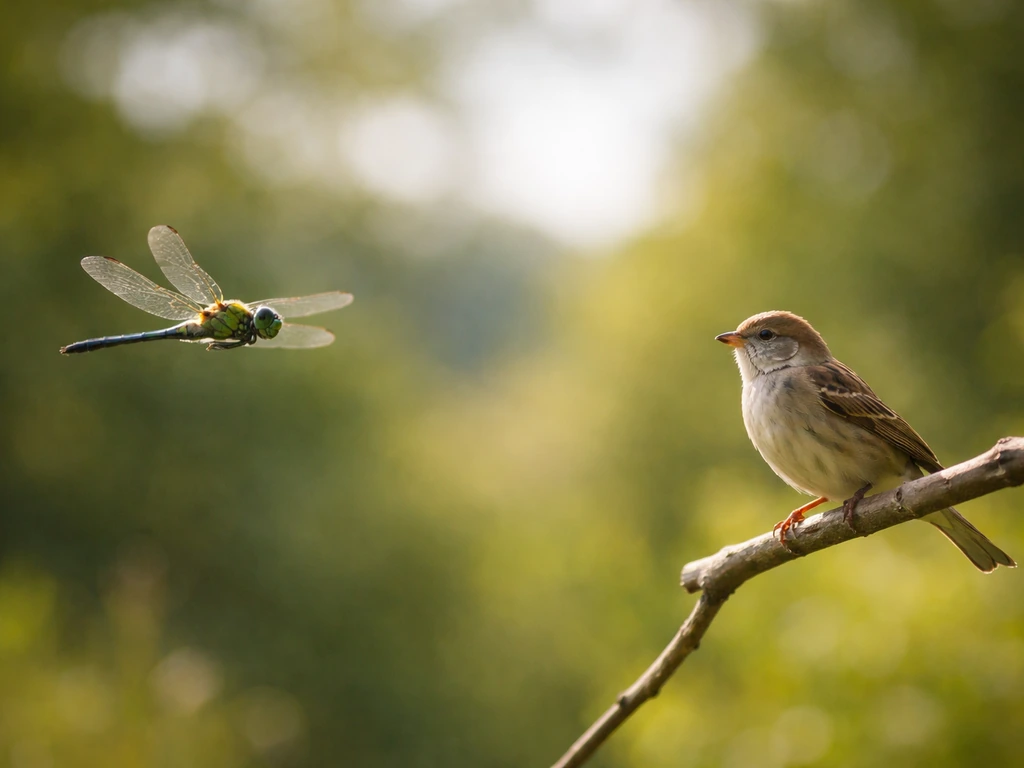
Owls are birds, full stop. They belong to the order Strigiformes, which sits squarely inside the class Aves, the scientific grouping that contains every bird on Earth. Whether you phrase the question as 'bird or mammal' or 'mammal or bird,' the answer doesn't change: owls are birds, not mammals, and the biology makes that completely unambiguous.
Is an Owl a Bird or a Mammal? The Simple Answer

Marcus Hendricks
7 Jun 2026
Where owls actually sit in the animal kingdom
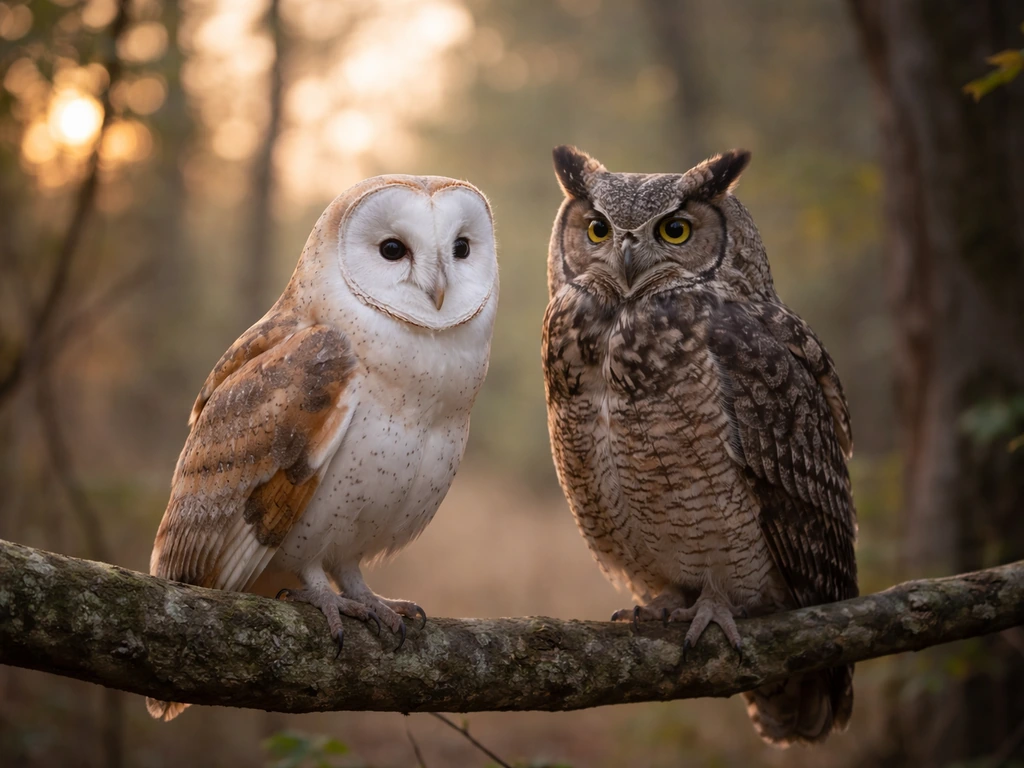
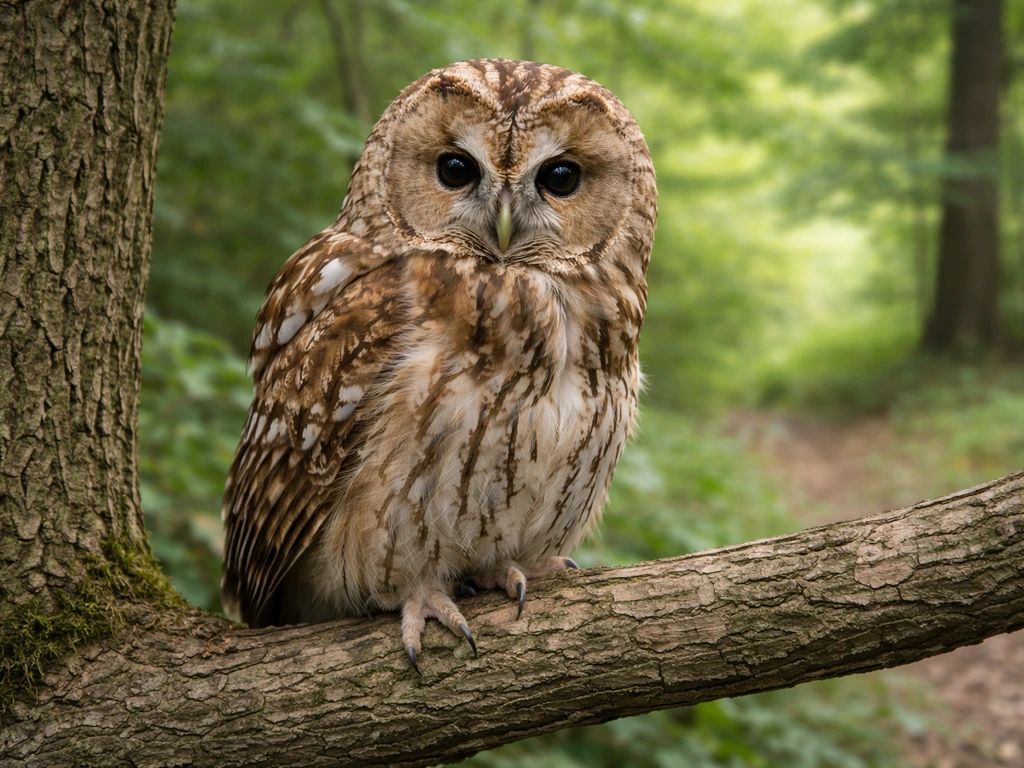
Taxonomically, owls fall under the order Strigiformes, which contains around 180 species split across two families: Tytonidae (barn owls) and Strigidae (all other owls). Both the U.S. Fish and Wildlife Service and the Global Biodiversity Information Facility (GBIF) place Strigiformes inside the class Aves. That's the same class as penguins, eagles, sparrows, and every other bird you can think of. There's no ambiguity in the scientific literature here. Britannica, the Smithsonian, and Cornell Lab of Ornithology all describe owls as nocturnal predatory birds.
The confusion probably comes from owls looking a little alien compared to your average robin. They have flat faces, forward-facing eyes, and rotate their heads almost all the way around. That's unusual, sure, but unusual doesn't mean mammal. It just means owls are very good at being owls.
Bird vs. mammal: a quick trait checklist
You only need to check a handful of traits to sort any animal into one of these two categories. The Smithsonian National Museum of Natural History boils bird classification down to three key markers, while Britannica gives a clean definition for mammals. The Smithsonian National Museum of Natural History's Birds exhibit notes that birds are distinguished by feathers, hollow bones, and hard-shelled eggs three things: feathers, hollow bones, and hard shelled eggs. Here's how the two groups stack up:
| Trait | Birds | Mammals |
|---|---|---|
| Body covering | Feathers | Hair or fur |
| Bone structure | Hollow bones (lightweight) | Dense, marrow-filled bones |
| Reproduction | Hard-shelled eggs | Live birth (with rare exceptions like platypus) |
| Feeding young | Regurgitation or prey delivery | Milk from mammary glands |
| Warm-blooded | Yes | Yes |
Both groups are warm-blooded, which is probably part of why the bird-vs-mammal question comes up at all. But beyond that shared trait, the differences are pretty stark. The fastest check: does it have feathers? If yes, it's a bird. Does it nurse young with milk from mammary glands? Then it's a mammal. No animal is both.
Why owls are birds: the anatomy and reproduction evidence
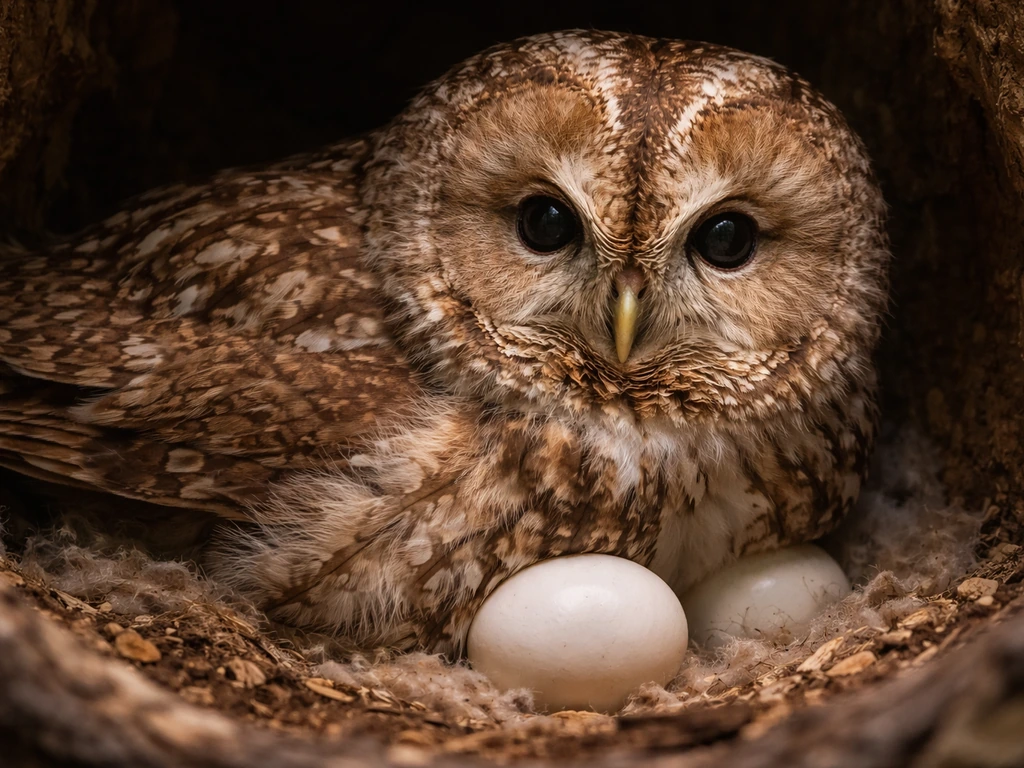
Every major anatomical marker for birds shows up in owls. Start with feathers: owls are covered in them, including specialized feathers along the leading edge of their wings that break up turbulence and let them fly almost silently. That's a bird feature, not a mammal feature. Their bones are hollow and lightweight, the same structural adaptation that allows flight across all bird species. And like other birds, owls have a two-chambered stomach that processes prey in a distinctive way, compressing indigestible material like bones and fur into compact pellets they later regurgitate. That digestion setup is found in birds, not mammals.
Reproduction seals the case. Owls lay hard-shelled eggs and incubate them, just like every other bird. Cornell Lab of Ornithology documents the American Barn Owl with an incubation period of 29 to 34 days, and Britannica notes that some species like the snowy owl can lay clutches of up to 12 eggs. Egg laying with a hard shell is a defining bird trait, not something mammals do (with the narrow exception of monotremes like the platypus and echidna, and even those produce milk, which owls definitely do not).
Why owls are not mammals: what they're missing
Britannica defines a mammal as an animal that can produce milk from mammary glands. Owls don't have mammary glands. They don't nurse their chicks with milk at all. Instead, parent owls tear prey into pieces and deliver it directly to the nest. That feeding method is entirely consistent with birds and has nothing to do with mammalian lactation.
Owls also don't have fur or hair, which is the other core mammal marker. Their soft, dense feathers might look fur-like at a glance, especially on species like the snowy owl with its thick white plumage, but feathers and fur are completely different structures at the biological level. And while most mammals give birth to live young, owls (like all birds) reproduce through hard-shelled eggs. No live birth, no milk, no fur: three strikes, and owls are out of the mammal category entirely.
How to verify any animal's class in a few minutes
If you ever need to classify an unfamiliar animal on the spot, run through this quick sequence. It works for owls, and it'll work for whatever animal stumps you next.
- Check for feathers. If the animal has feathers anywhere on its body, it is a bird. No other living animal group has feathers.
- Check for fur or hair. If it has fur or hair (even sparse hair at some life stage), that's a mammal indicator. Move to step 3 to confirm.
- Check reproduction. Birds lay hard-shelled eggs. Most mammals give birth to live young and nurse them with milk from mammary glands.
- Look it up by scientific name. Search the animal's name plus 'taxonomy' or look it up on GBIF or the Integrated Taxonomic Information System (ITIS). The 'class' field will say either Aves (bird) or Mammalia (mammal) immediately.
- Cross-check with a trusted source. Britannica, the Smithsonian, Cornell Lab of Ornithology, or your national wildlife service will have a reliable species entry with clear classification.
For owls specifically, every one of these checks points the same direction. Feathers: yes. Fur: no. Hard-shelled eggs: yes. Milk production: no. Class Aves in every taxonomic database: yes. The snowy owl, the barn owl, the great horned owl, and all roughly 180 other owl species land in the same place: they're birds. Questions about specific species like whether the snowy owl counts as a bird follow exactly the same logic, because Strigiformes as a whole belongs to Aves without exception.
One small note worth making: if you've seen the question pop up in a different context, like debating what the Duolingo mascot is, that's a branding and internet meme conversation rather than a biology one. If you are wondering whether the Duolingo mascot counts as a bird or an owl, it is just a cartoon owl character for fun, not a real animal classification. Duo is a cartoon owl character, and cartoon owls don't need to satisfy taxonomic criteria. Real owls, though, are birds through and through. Some people ask, "is a ghost bird an owl," but the classification logic is the same as for real owls versus other birds.
FAQ
If owls are warm-blooded, why aren’t they mammals too?
Warm-blooded is shared by birds and mammals, but it is not enough for classification. The decisive markers are structural and reproductive traits, for owls that means feathers plus hard-shelled eggs and no mammary glands for milk.
What about owls that look fuzzy or have “ear tufts,” are those fur?
“Ear tufts” on some owls are made of feathers, not hair. Even if the plumes look cloudlike, their structure is feather-based, and owls still lay eggs rather than giving live birth or nursing with milk.
Do owls ever nurse their chicks with milk?
No. Owl parents feed by bringing or tearing prey and delivering it to the nest. Chick feeding in owls does not involve lactation or mammary glands, so it does not meet the mammal definition.
Are there any exceptions where something egg-laying is still a mammal?
Yes, monotremes (like the platypus and echidna) lay eggs and also produce milk, which is why they are mammals. Owls also lay eggs, but they do not produce milk, so they still fit birds.
How can I quickly tell “bird vs mammal” in a real-life or photo identification situation?
If you can observe either feathers or egg-laying, that settles it. If neither is visible, focus on mammal-specific evidence such as milk feeding (mammary glands) or hair/fur. In owls specifically, feathers and egg-based reproduction are consistent across species.
Do owls have bones like birds, and does that matter for classification?
Yes. Owl bones are lightweight and adapted for flight, a bird trait, not mammal skeletal structure. Bone design supports their flying lifestyle, but the classification primarily comes from the reproductive and covering traits.
Does “Strigiformes” ever include mammals or is it strictly birds?
Strigiformes is an order within the class Aves, so it contains birds only. An individual owl species in that order should follow the same bird markers, feathers and egg-laying, without mammary-gland lactation.
What if someone claims owls are “wildlife,” so that proves they are mammals?
“Wildlife” is not a biological class. It is a general term for animals living in nature, and it does not replace taxonomy. Owls are wildlife, but their taxonomy places them in birds.
Are baby owls (owl chicks) treated like mammal babies?
Owl chicks are cared for by feeding and incubation, but the food is prey, not milk. Caring behavior can look similar across animals, but the presence or absence of lactation is what matters for mammal classification.
Does the same rule apply to cartoons or mascots that look like owls?
No. Cartoon characters and memes are not biological organisms. If the question is about a mascot, it is about design or branding, not whether a real animal’s traits match bird or mammal categories.
Next Article
Is a Dragonfly a Bird? How to Tell the Difference
Dragonflies are insects, not birds. Learn key bird traits vs dragonfly anatomy to tell them apart fast.