No, a moonlark is not a real bird. There is no species called a "moonlark" in any major ornithological database, including the IOC World Bird List (Version 14.2), which is the go-to global authority for standardized bird common names. The IOC World Bird List is hosted/maintained by worldbirdnames.org as a regularly updated online project, including the “IOC World Bird List , Version 14.2” listing. The word shows up most prominently in the fantasy novel series Keeper of the Lost Cities, where "Project Moonlark" is a fictional concept and moonlarks are a made-up creature. You will also find it used as a brand name, a boat name, and a healing-sound business in Australia. What you will not find is a moonlark on a field guide page or a taxonomy checklist.
Is a Moonlark a Real Bird? How to Verify the Name


Quick yes/no: is a moonlark a real bird?

No. "Moonlark" is not an established common name for any recognized bird species. A thorough check against the IOC World Bird List, the most comprehensive and regularly updated international taxonomy reference (currently at Version 14.2 on worldbirdnames.org), does not surface any species carrying that name. eBird, which uses IOC taxonomy and covers nearly every accepted common name used in birding, also gives no result. If a bird called a moonlark existed, at least one of these sources would list it. Neither does.
What "moonlark" usually refers to
The name causes confusion for a straightforward reason: "lark" is a real bird family (Alaudidae), so any compound word ending in "-lark" sounds plausibly ornithological. Skylark, woodlark, and horned lark are all real species. That pattern makes "moonlark" feel like it should belong on the same list, but it does not. It is an invented coinage rather than a standardized common name.
The most common places you encounter "moonlark" online are:
- Keeper of the Lost Cities fandom: Shannon Messenger's fantasy series uses "Project Moonlark" as a central plot concept, and the Keeper wiki describes moonlarks as a fictional bird-like species within that universe. This is almost certainly where most searches originate.
- Wings of Fire fan fiction: The Wings of Fire Fanon wiki uses "Moonlark" as a dragonet character name, again purely fictional.
- Brand and business names: A sound-healing service in Australia (moonlark.com.au) and a sailing yacht named Moonlark (a Bavaria C46 built in 2026) both use the word as a trade/creative name with no bird taxonomy connection.
- General creative writing and username culture: "Moonlark" sounds evocative, so writers and gamers use it freely.
Spelling variants are worth mentioning too. If someone searches "moon lark" (two words) hoping to find a real species, they are likely misremembering or misreading a genuine bird name. The closest real candidates would be larks from the family Alaudidae, or possibly the meadowlark (family Icteridae), but neither has a recognized subspecies or common-name variant called a moonlark.
How to verify any bird name yourself

Common names for birds are notoriously unreliable on their own. The same species can have five different common names depending on the country, the era, or the author. Scientific names (binomial nomenclature, like Alauda arvensis for the Eurasian skylark) are the only names that are truly stable and globally agreed upon. When a "bird" name cannot be matched to a scientific name in a credible database, that is a strong signal it is not a real species.
Here is a practical three-step workflow for checking any unfamiliar bird name:
- Check the IOC World Bird List at worldbirdnames.org. Download or search the master list and look for the common name in question. Every accepted species has a standardized English name, a scientific name, and a family placement listed there.
- Cross-reference with eBird (ebird.org). eBird uses IOC taxonomy and maintains a species list tied to real sightings and range data. If a species cannot be found in eBird, it almost certainly is not a recognized bird.
- Look for a scientific name and a range map. A real bird will have both. If all you can find is a common name floating in blog posts, fan wikis, or brand pages, treat that as a red flag.
For moonlark specifically, step one is enough. A common online “variant” explanation is that “moonlark” is discussed as a potentially confusing name but is treated as not clearly established in standard bird taxonomy, so it is best to verify which species name and taxonomy source you are looking at For moonlark specifically, step one is enough.. A real loon, on the other hand, is a genuine bird species, so it is not the same situation as the moonlark is a loon a bird. It does not appear in the IOC master list. You can stop there.
Real species or fictional/mascot name? The moonlark verdict
Moonlark is a fictional and brand name, not a species name. The taxonomy trail goes cold immediately because there is no Linnaean scientific name attached to it anywhere in ornithological literature. The term's actual digital footprint is dominated by fantasy fandom content, most of it tied to Keeper of the Lost Cities. When a word's top search results come from a Fandom wiki and Reddit threads about a YA novel series, that is a reliable signal you are looking at a fictional creature rather than a real one.
This is a common pattern with invented bird-sounding names. The "-lark" suffix carries a lot of credibility by association with real birds like the skylark, which is a genuine songbird with a centuries-long history in literature and science. A skylark is a real bird species (Alauda arvensis), so it is a useful benchmark when you are trying to verify a name like moonlark. That association makes compound names like moonlark feel real even when they are not, the same way "mockingjay" sounds like a plausible species even though it comes from a novel.
How to tell if something is actually a bird
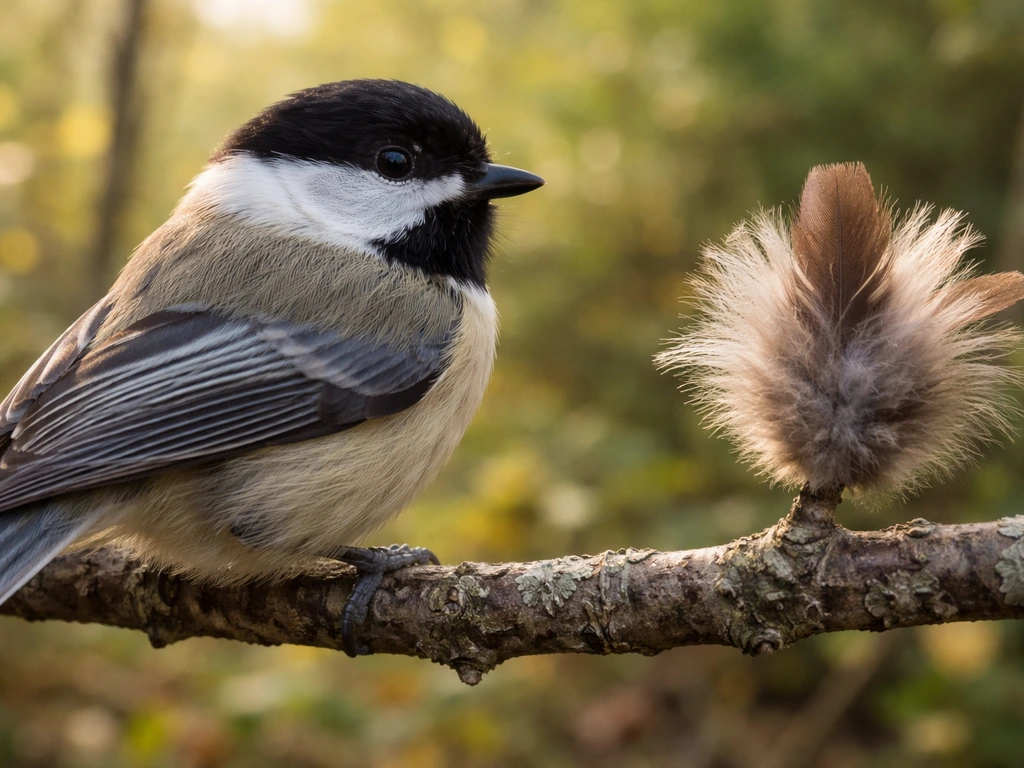
If you are ever unsure whether a creature being described as a bird really qualifies, a few hard biological criteria cut through the noise fast. These apply whether you are looking at a living animal, a drawing, or a fictional creature described in a book or game.
- Feathers: All birds have feathers. No other living animal group does. If the creature has fur, scales without feathers, or no integument described at all, it is not a bird.
- Beak without teeth: Modern birds have beaks (also called bills) and no teeth. This is one of the clearest distinguishing features from non-avian reptiles.
- Two wings, two legs: Birds are bipedal and have forelimbs modified into wings, even in flightless species like penguins and ostriches.
- Warm-blooded with a high metabolic rate: Birds regulate their own body temperature, unlike reptiles.
- Hard-shelled eggs: Birds lay amniotic eggs with hard or leathery shells.
- Hollow bones: Most birds have pneumatized (hollow) bones that reduce weight for flight, though this is not universal.
For larks specifically, the family Alaudidae has a few practical field traits worth knowing. Real larks are ground-dwelling songbirds: they walk and run across open ground rather than hopping like many perching birds, they nest on the ground, and they are known for sustained aerial song flights. If a "moonlark" is described as doing any of those things, it is probably modeled on a real lark, but that does not make the moonlark itself a real species.
What the name "moonlark" is actually pointing to
If you came across "moonlark" and assumed it was a bird, the confusion is understandable and extremely common. The word borrows the credibility of a real bird family name and wraps it in evocative imagery. But the name itself is not anchored to any species in Class Aves.
If you are trying to identify a real bird and "moonlark" was the name you were given, the most productive next step is to ask where the name came from. Regional nicknames, misheard names, and creative re-namings happen constantly. A "moonlark" sighting reported by a local birdwatcher might turn out to be a skylark (Alauda arvensis), a shore lark (Eremophila alpestris, also called the horned lark in North America), or any number of ground-foraging songbirds depending on geography. Cross-checking whatever physical description you have against a regional field guide will get you much further than chasing the name itself.
This ambiguity is not unique to moonlark. The word "lark" itself carries non-bird meanings in English (a lark as in a carefree adventure, or a ship name), which creates similar confusion around names like "on a lark" or "the Lark" as a vessel. The broader principle holds: always verify bird identity through scientific name and taxonomy, not common name alone. A common companion query is the lark definition question, which can help clarify what “lark” means before applying it to names like “moonlark.”. If you are curious about where real larks fit into bird taxonomy, or whether a skylark counts as a true bird, those are genuinely interesting questions with clear, science-backed answers that go well beyond the moonlark dead end. You may also be asking, is a lark a bird, and that can help you separate real bird family names from invented terms.
FAQ
If I saw “moonlark” in a field guide or birdwatching post, does that automatically mean it is real?
If the word is coming from a book, game, or merchandise listing, treat it as fictional or commercial until you can connect it to a scientific (binomial) name. Real bird names will ultimately map to a Latin genus and species that appear in major taxonomy references, even if their common name varies.
What if a local birdwatcher insists “moonlark” is a real species in my area?
No. Even if someone claims it is a local nickname, you should expect to find at least a record in a reputable checklist or a credible regional bird authority. If “moonlark” does not surface there, the simplest explanation is that it is misidentification, a hobbyist nickname, or an invented term.
Are there spelling variations of “moonlark” that could point to a real bird?
Search for both spaced and unspaced versions, plus likely misread variants like “moon lark.” Then search using likely real neighbors in the naming pattern, especially skylark and horned lark, because “lark” is a real bird family and people often substitute the wrong one.
Why does the “-lark” ending make “moonlark” seem believable, even if it is not?
Don’t rely on the suffix “-lark” to confirm bird identity. Many creature names in fantasy sound birdlike because they borrow real taxonomic-sounding parts, but they still will not connect to an accepted scientific name in Class Aves.
How can I verify “moonlark” if I only have a description of the animal?
If you have a photo or a detailed description, focus on observable traits and location, then use those to narrow to actual taxa (for example, ground-foraging and open habitat suggest lark-type birds). A “moonlark” label without those anchors usually reflects guesswork or creative naming.
Could “moonlark” be a mishearing of a real bird name?
A common mistake is confusing “moon lark” (two words) with a different real species name that was heard incorrectly. If the report includes cues like habitat (open field versus woodland) and behavior (walking on ground versus perching), you can often resolve it to a real candidate.
What is the fastest decision rule for telling whether a bird-sounding name is real or invented?
You can often stop quickly when the word lacks a scientific-name link. A real bird may have multiple common names, but it will always have an accepted scientific name and belong to a recognized taxonomic group. No such attachment strongly indicates the term is not a real species.
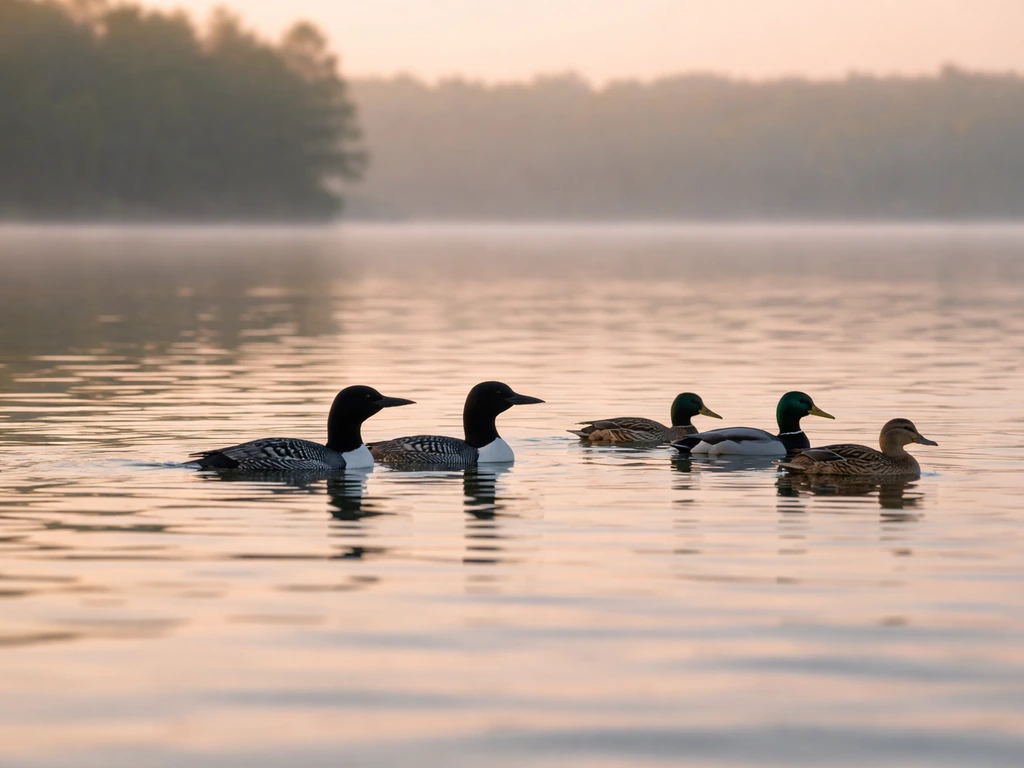
Yes, loons are birds, not ducks. Compare bird traits and taxonomy to settle the loon-vs-duck confusion.
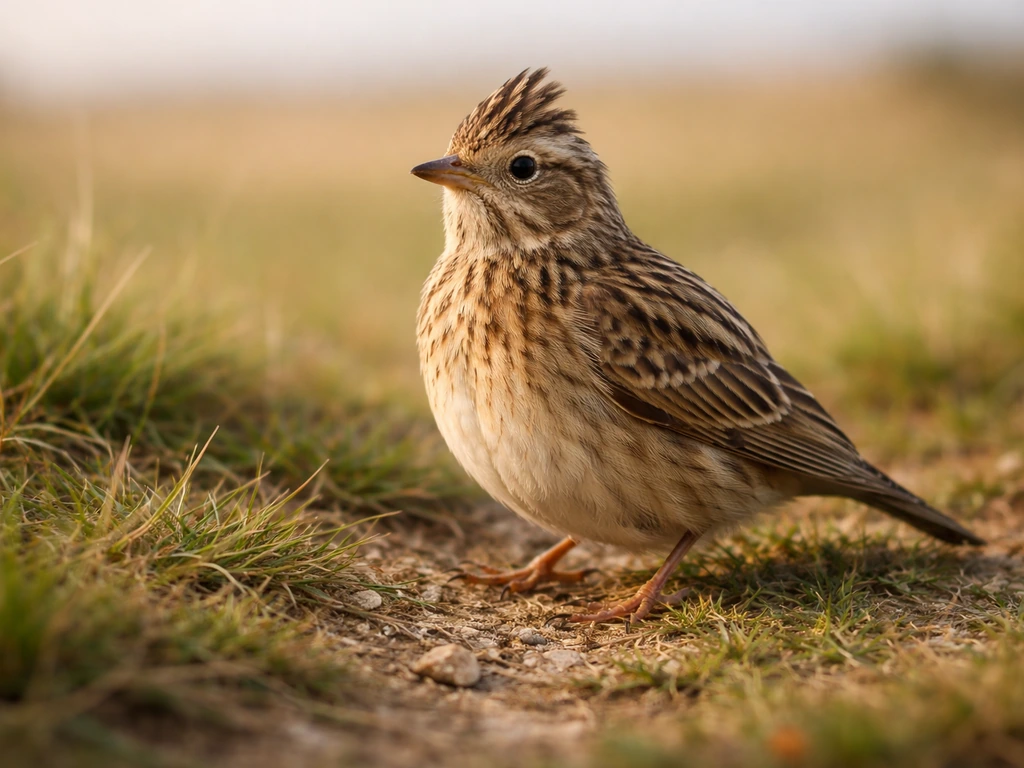
Yes, larks are birds in Aves, including the Alaudidae family, with key traits that confirm true bird status.
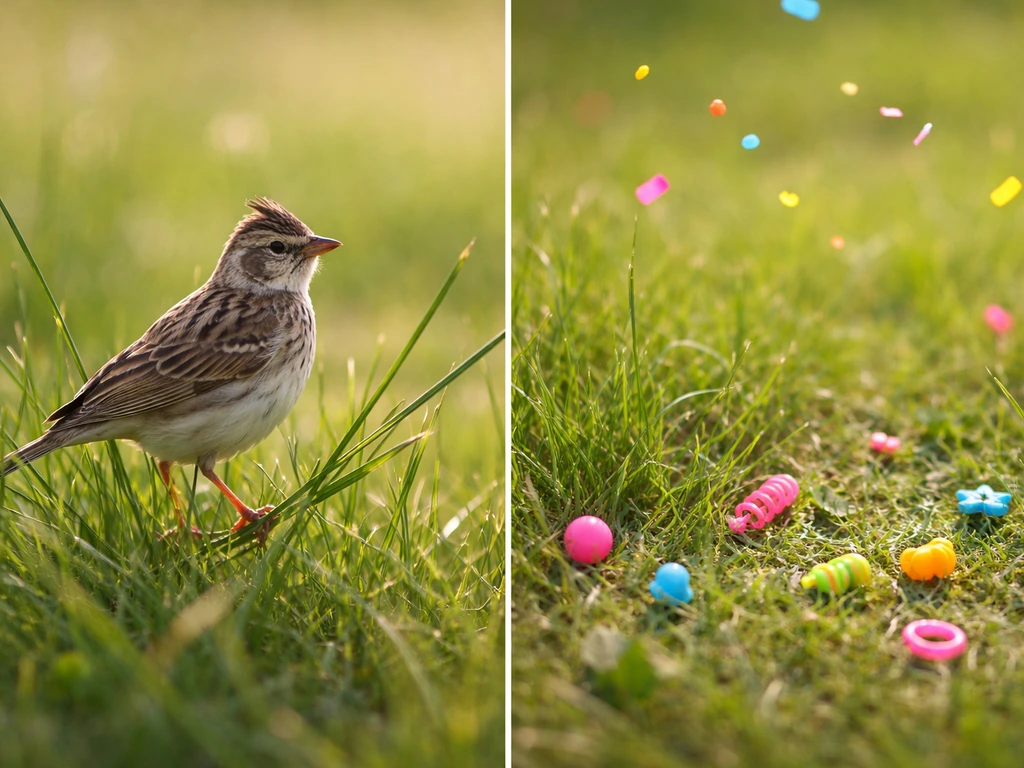
Clear meanings of lark in English and as a small songbird Alaudidae, plus a quick bird-checklist.