
Yes, you can legally own a bird of prey in the UK, but it comes with real paperwork, genuine welfare obligations, and species-specific rules you cannot ignore. Most birds of prey sold by licensed breeders can be kept by private individuals without a special licence, but nine specific species (listed on Schedule 4 of the Wildlife and Countryside Act 1981) must be registered with the Animal and Plant Health Agency (APHA) at CIT-Bristol, ringed or microchipped, and kept at a registered premises. If you buy a captive-bred common buzzard, Harris hawk, or barn owl from a reputable breeder, you can own it today. If you want a peregrine falcon or golden eagle, the registration requirements kick in immediately. Note that “secretary bird” is not an eagle, and it is a different type of raptor altogether.
Can You Own a Bird of Prey in the UK? Legal Steps

What counts as a "bird of prey" here?
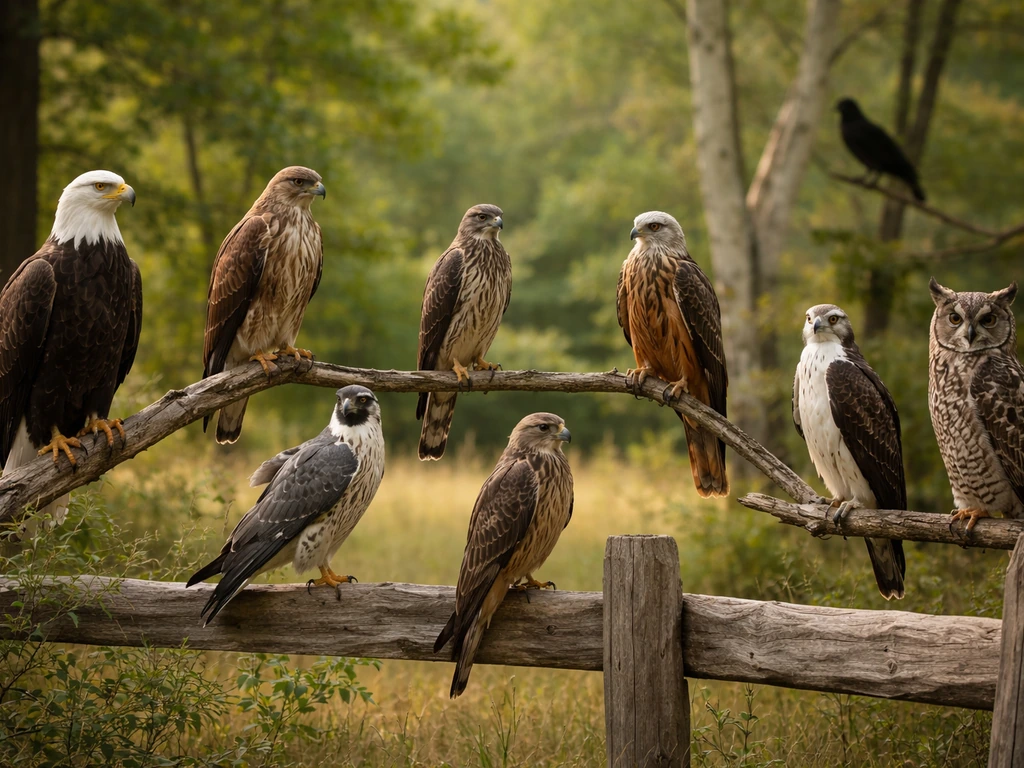
In everyday speech, "bird of prey" covers eagles, hawks, falcons, kites, harriers, ospreys, owls, and sometimes vultures. Vultures are widely misunderstood as birds of prey, but legally and biologically they are treated differently from true raptors in many discussions. These are all genuine birds in the biological sense: feathered, warm-blooded vertebrates with beaks, and in every case the product of millions of years of avian evolution. The legal framework in England and Wales does not actually use the phrase "bird of prey" as a formal category. Instead, the Wildlife and Countryside Act 1981 works with specific schedules listing named species. For practical purposes, the law's main concern is whether a bird is wild-bred versus captive-bred, and whether it appears on Schedule 4. If you've been reading about whether certain animals count as birds at all (vultures, secretary birds, and ospreys come up a lot), rest assured: all the raptors discussed in this article are unambiguously birds.
UK legality and licensing basics
The Wildlife and Countryside Act 1981 is the cornerstone law here, and it does two distinct things relevant to you. First, it protects all wild birds from being taken, kept, or sold without authorisation. is a bird of prey that is not protected in the same way as common Schedule 4 species is a vulture a bird. Second, it creates Schedule 4, a specific list of birds of prey that need to be registered if kept in captivity, regardless of whether they were captive-bred or wild-born. On top of that, the Animal Welfare Act 2006 applies to every animal you keep, meaning your bird must have its welfare needs met at all times. Natural England and the APHA administer these requirements in England and Wales, while NatureScot handles equivalent rules in Scotland under similar general licences.
The good news for most falconers and bird of prey enthusiasts is that common species like Harris hawks, common buzzards, and barn owls are not on Schedule 4. You can buy one from a licensed breeder and keep it with no special wildlife licence, as long as you meet welfare obligations. The rules tighten considerably for the nine Schedule 4 species.
The nine species covered by Schedule 4
These are the birds of prey that must be registered if you keep them in captivity in England and Wales. Knowing this list upfront saves a lot of confusion, because people often assume all raptors require the same process.
- Honey buzzard
- White-tailed eagle
- Golden eagle
- Goshawk
- Marsh harrier
- Montagu's harrier
- Osprey
- Peregrine falcon
- Merlin
Hybrids of Schedule 4 birds (for example, a peregrine/saker hybrid common in falconry) do not need to be registered under Schedule 4. Sick or injured birds you're caring for temporarily also fall under specific exemptions rather than the full registration requirement, which is where the general licence pathways come in.
Permitted ownership pathways
Buying from a licensed breeder (the main route)
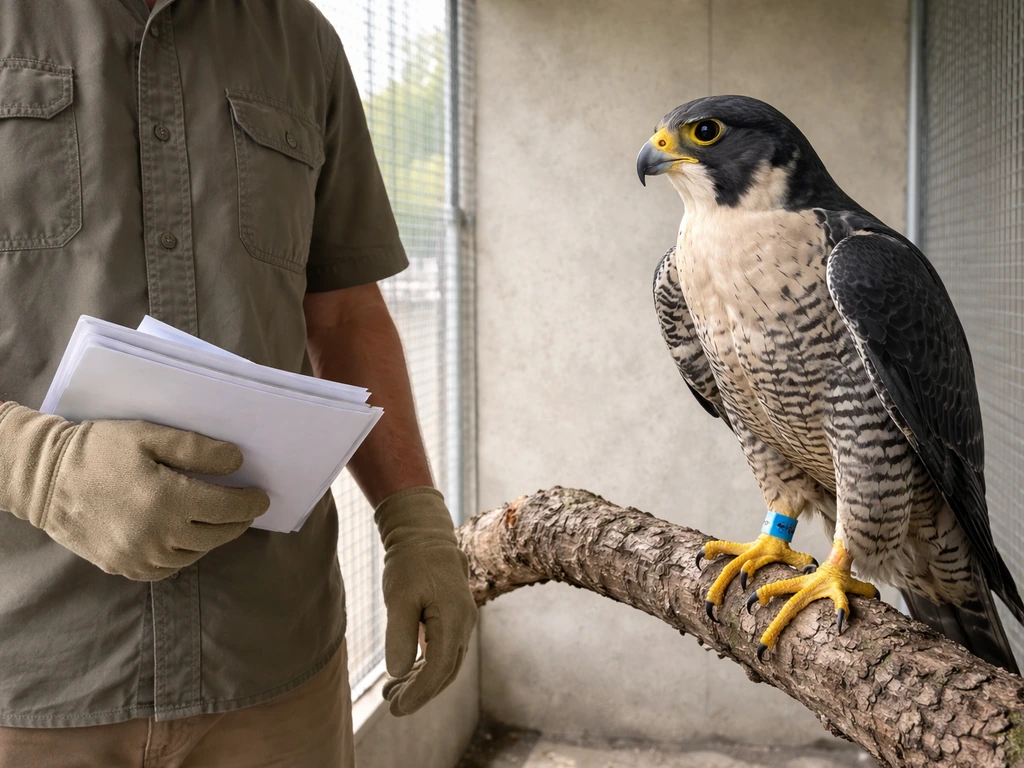
For most people, the cleanest path to legal ownership is buying a captive-bred bird from a reputable, licensed breeder. A legitimately bred Schedule 4 bird should come with a blue registration document, already ringed or microchipped. RSPCA guidance says that birds of prey listed on Schedule 4 must be registered if kept in captivity and marked with a leg ring and/or microchip, or kept unringed under a licence A legitimately bred Schedule 4 bird should come with a blue registration document, already ringed or microchipped.. When you take ownership, you register the bird at your address with CIT-Bristol (APHA) and register yourself as a birdkeeper within one month of starting to keep captive birds of prey at your premises. That's the core of the process for Schedule 4 species. For non-Schedule 4 species, there's no wildlife registration step, but you still need to source the bird legally and meet welfare standards.
Rehabilitation pathways (temporary keeping)
If you find an injured bird of prey and want to care for it temporarily, two general licences create lawful routes. GL07 (England and Wales) allows an Authorised Person to keep a disabled Schedule 4 wild bird for up to 15 days without registering it, provided the aim is to release the bird once it recovers. GOV.UK’s collection of general licences for wildlife management sets out general licence pathways intended for activities with low conservation and welfare risk to protected species within the wildlife licensing framework GL07. GL08 covers veterinary surgeons keeping a disabled Schedule 4 bird for up to six weeks while providing professional veterinary treatment, again without needing to ring or register the bird during that period. Both licences have record-keeping conditions attached. These are not routes to permanent personal ownership, but they do give you a legal window to act if you encounter an injured raptor.
Falconry clubs and recognised organisations
The GOV.UK registration guidance explicitly references the British Falconers' Club and several regional falconry groups in the context of legitimate keeper registration. Joining an established falconry club does not replace any legal obligation, but it gives you access to mentorship, welfare codes, and a network of experienced keepers who can guide you through the paperwork and practical side of ownership. The British Falconers' Club publishes both a Falconry Welfare Code and a Code of Conduct that set out housing, feeding, and compliance standards members are expected to follow.
How to prove you're compliant: paperwork, marking, and record-keeping

Compliance for Schedule 4 birds rests on three pillars: identification marking, registration, and records. Here's what that looks like in practice.
- Register as a birdkeeper: Within one month of first keeping a captive bird of prey at any premises in England or Wales, you must register those premises with APHA.
- Mark the bird: Every Schedule 4 bird must carry a unique identification mark. For most species this means a closed leg ring. For merlins and peregrines specifically, the ring must be commercially manufactured (not homemade) and marked with a unique number incorporating keeper initials, postcode, phone number, and year hatched. If a ring falls off or cannot be used, a 15-digit microchip is required instead.
- Register each Schedule 4 bird: Complete a registration form and return it to CIT-Bristol (APHA). The bird must be registered at the address where it is actually kept.
- Keep documentation: If you acquire a bird that already has a blue registration document, keep that document with the bird. If you receive a bird without documentation or from an unknown origin, use the REG01 process to establish a paper trail. If the bird is disabled and you're keeping it under a licence, use the REG05 application form.
- Maintain ongoing records: Registration is not a one-time event. When registration circumstances change (the bird dies, is transferred, or you move premises) you must update or end the registration accordingly. GL07 and similar general licences also have their own data recording requirements even for short-term temporary keeping.
- Comply with welfare law: The Animal Welfare Act 2006 applies throughout. Meeting your bird's welfare needs is not just ethical, it's a legal requirement and a practical compliance yardstick inspectors can and do apply.
The practical realities of owning a bird of prey
Legality is genuinely the easier hurdle. The harder part is everything that comes after. Birds of prey are demanding animals, and the gap between 'I want one' and 'I can responsibly keep one' is significant. A raven is sometimes discussed as a bird of prey, but it is not typically classed as one in the way falcons, hawks, and eagles are. Here's what you actually need to think about before you commit.
Housing
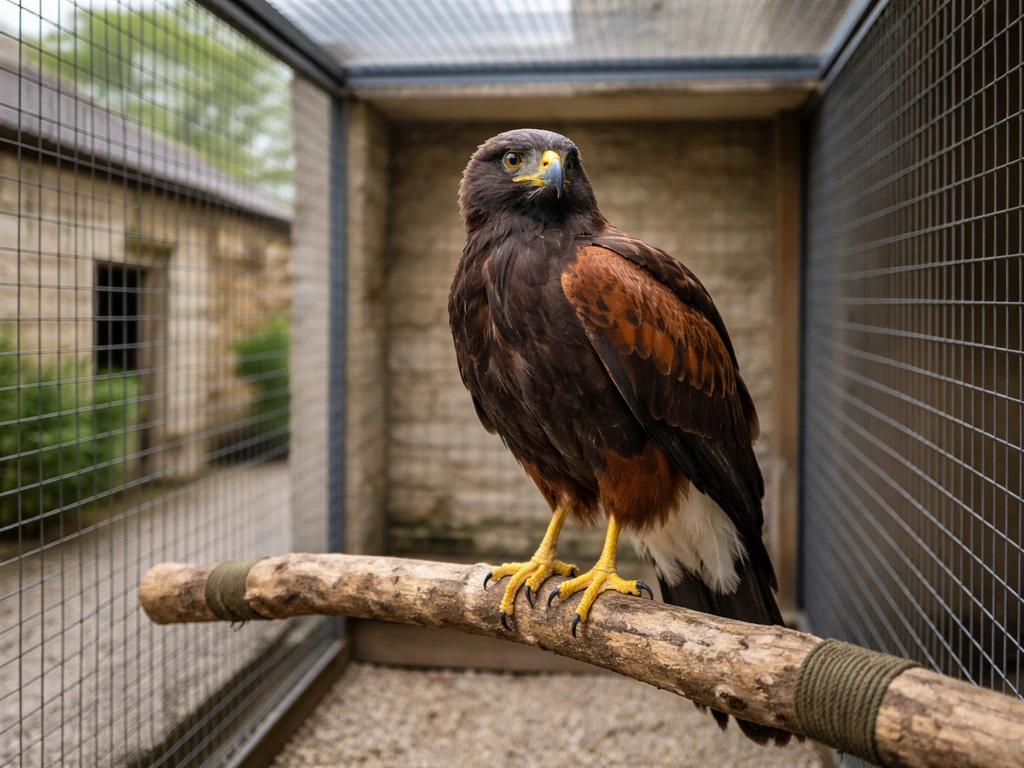
Raptors need secure, purpose-built enclosures (called mews or aviaries) that protect them from predators, prevent escape, and shield them from extreme weather. The British Falconers' Club welfare code and independent raptor welfare organisations both set detailed standards for enclosure size, construction, perch types, and substrate. Indoor confinement without proper environmental enrichment causes stress and health problems. A converted garden shed will not cut it.
Feeding
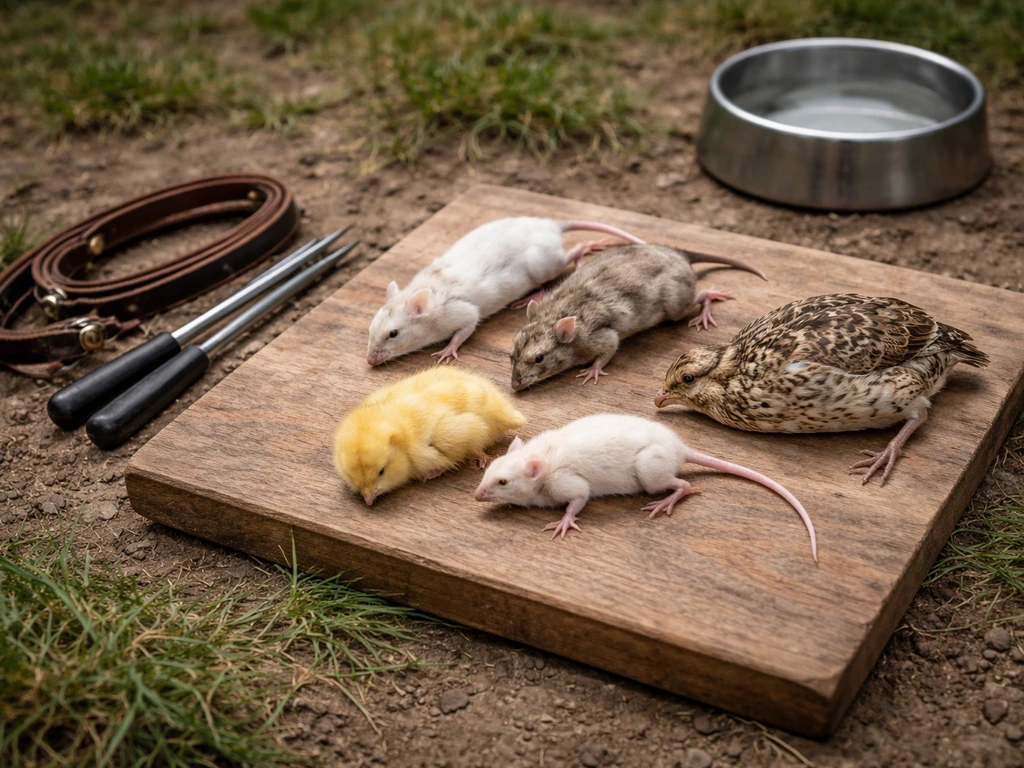
Birds of prey eat whole prey items: mice, rats, day-old chicks, quail, and similar. If you are wondering whether a swift is a bird of prey, it helps to confirm the species category before you plan any ownership or handling steps is a swift a bird of prey. You need a reliable, legal supply source and proper food storage to maintain quality and prevent spoilage. The welfare code covers food handling in detail. Budget roughly £15 to £30 per week on food for a medium-sized bird like a Harris hawk, with larger eagles costing considerably more.
Veterinary care
You need access to an avian or raptor-specialist vet, and regular check-ups are part of responsible ownership. Raptor veterinary care is not cheap. A single consultation can cost £80 to £150, and treatment for conditions like aspergillosis or bumblefoot can run into hundreds or thousands of pounds. Pet insurance for raptors exists but is limited.
Training and handling
Training a bird of prey (especially for falconry) is a skill that takes years to develop properly. A tawny frogmouth is not classified as a bird of prey, so it does not fit the same licensing and raptor-keeping pathway. There is no legal requirement for a training certificate to own a raptor in the UK, but attempting to keep one without guidance is a welfare issue and a practical disaster. Experienced mentorship from a falconry club or experienced keeper is essentially non-negotiable if you're starting out. Without correct handling, even a relatively common species like a Harris hawk can become stressed, lose condition, or injure itself or you.
Time and commitment
Raptors are not pets you can leave for a weekend. Daily feeding, regular handling or flying, enclosure maintenance, and health monitoring are ongoing requirements. Most experienced falconers describe ownership as closer to a part-time job than a hobby.
Rough cost summary
| Cost area | Approximate range (UK, 2026) |
|---|---|
| Bird (captive-bred Harris hawk) | £300 to £800 |
| Bird (captive-bred peregrine) | £800 to £2,000+ |
| Initial equipment (mews, perches, jesses, hood, glove, leash) | £500 to £1,500 |
| Annual food costs (medium raptor) | £800 to £1,500 |
| Annual vet costs (routine, no emergencies) | £200 to £500 |
| Registration (APHA, ring/microchip) | £20 to £80 depending on circumstances |
If direct ownership isn't the right fit right now
If the legal steps or practical demands feel like too much at this stage, there are genuinely good alternatives that let you work closely with birds of prey without taking on full ownership responsibility.
- Volunteer at a raptor rehabilitation centre: Many centres across the UK actively need volunteers. You'll handle birds, assist with feeding and housing maintenance, and learn from experienced keepers, all under the centre's existing licences and registration.
- Join a falconry club as a beginner member: The British Falconers' Club and regional clubs like the Welsh Hawking Club and the Northern England Falconry Club offer structured beginners' programmes where you can fly birds under mentorship before committing to ownership.
- Take a falconry experience day: Commercial falconry centres offer supervised handling and flying sessions. These give you a realistic taste of what daily interaction with raptors actually involves before spending money on equipment and registration.
- Work towards an apprenticeship arrangement: Some experienced falconers take on apprentices who contribute to bird care in exchange for hands-on training, a long-established tradition in falconry that remains the most effective way to build genuine competency.
- Support a licensed raptor trust or charity: Organisations like the Hawk and Owl Trust work on raptor conservation and often have opportunities for practical involvement beyond just financial support.
The Wildlife and Countryside Act 1981 framework is genuinely designed to allow lawful ownership by responsible keepers, not to shut the door entirely. If you approach it through the right channels (a reputable breeder, a falconry club, and the APHA registration process), owning a bird of prey in the UK is achievable. These raptors include species such as the secretary bird, but whether it needs Schedule 4 registration depends on its classification under UK rules. The paperwork is manageable. The real test is whether you can meet the welfare standards every day for a bird that may live 20 years or more.
FAQ
Can you own a bird of prey if it was found injured, even temporarily?
Yes, but temporary possession is only lawful under specific general licence routes, typically for disabled Schedule 4 birds with strict time limits and record-keeping. GL07 covers up to 15 days for Authorised Persons with the aim of release, GL08 covers up to six weeks for veterinary surgeons, and outside those windows you risk breaching the custody rules.
If I buy a captive-bred raptor that is not on Schedule 4, do I still need to register anything?
Usually no wildlife registration step applies for non-Schedule 4 species, but you still must ensure the bird was sourced legally (for example, from a licensed breeder with proper documentation) and you must comply with general animal welfare duties. Keeping paperwork that proves origin matters if you are ever questioned or inspected.
Do hybrids of Schedule 4 birds follow the same registration rules as the parent species?
Often they do not. Hybrids can fall outside the Schedule 4 registration requirement, but the legal treatment depends on how the hybrid is classified under the UK rules and what you can document about its lineage. If you are considering a hybrid for falconry, confirm the status with the relevant authority before taking ownership.
What exactly counts as “bird of prey” for legal purposes, do I need the common name?
No. The UK framework focuses on named species and schedules rather than the casual phrase “bird of prey.” If you want to know your obligations, work from the species identity on the schedule lists, not from the everyday category someone used in a forum or shop.
If my raptor escapes, what should I do immediately?
Treat it like an urgent welfare and legal incident. Use your keeper records and bird ID details (ring or microchip information) to contact the appropriate bodies quickly, because delays can complicate investigations and welfare outcomes. You should also notify your falconry club or an experienced keeper for guidance on next steps.
Is it legal to keep a raptor indoors in a converted garage or shed?
Not if it cannot meet enclosure and welfare standards. Raptors need secure, purpose-built enclosures that protect them from predators, prevent escape, and handle weather and health needs, including appropriate perch and enrichment. A makeshift space increases stress and escape risk, and it may not satisfy welfare expectations.
Do I need a licence or qualification to train or handle a raptor I own?
There is no general requirement for a training certificate just to own a raptor, but you still have legal welfare duties and you are expected to keep the bird in suitable conditions. In practice, many new owners should get structured mentorship because poor handling can cause stress, loss of condition, or injuries.
Can I insure a bird of prey, and will claims cover routine costs?
Raptor insurance exists but coverage can be limited, and you should check what is excluded (such as pre-existing conditions or certain types of illness). Also remember that routine costs like ongoing vet check-ups and food are often not fully covered, so budgeting for unexpected treatments like fungal or foot problems remains necessary.
How long can a raptor live, and does the long lifespan affect whether ownership is realistic?
Yes, strongly. Many raptors can live for decades, so your ability to provide daily care, secure housing, and specialist vet access must remain realistic long term, not just for the first months. Plan for life changes (move, illness, housing constraints) before buying a bird.
What documents should I ask for before paying a breeder for a Schedule 4 bird?
Ask for proof the bird is legitimately bred and ready for identification, typically including a blue registration document and confirmation that it is already ringed or microchipped as required. Keep copies of the breeder’s paperwork, because you will need accurate details to complete registration at your premises.