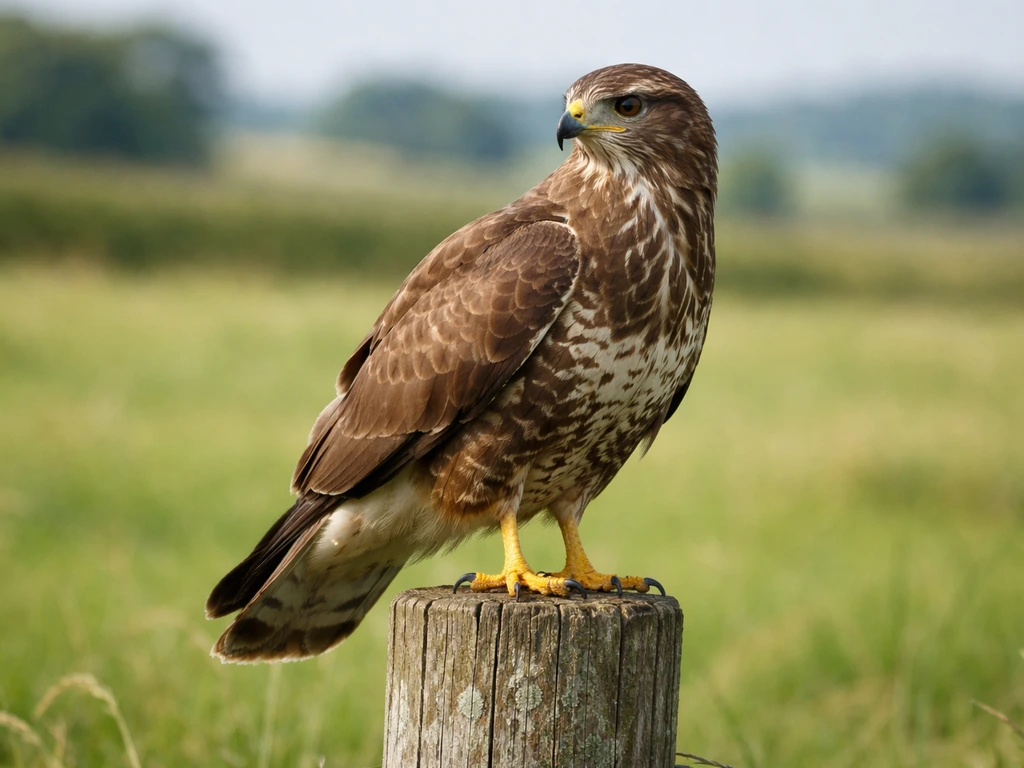
Yes, a buzzard is a bird of prey. Whether you're watching a Common Buzzard soaring over British countryside or seeing a Turkey Vulture (often called a 'buzzard' in North America) riding thermals over a Texas highway, both qualify as raptors under any working definition of the term. The hooked beak, powerful talons, and predatory or scavenging lifestyle put them squarely in that category. The confusion mostly comes from the fact that 'buzzard' means completely different birds depending on which side of the Atlantic you're on, and 'bird of prey' itself is a slightly fuzzy term that scientists don't all draw the same way.
Is a Buzzard a Bird of Prey? Taxonomy and Identification

Marcus Hendricks
11 Jun 2026
What 'bird of prey' actually means
The phrase 'bird of prey' sounds simple but it has never mapped perfectly onto a single clean taxonomic order. In everyday use, it's basically a catch-all for meat-eating birds that hunt or scavenge using specialized physical tools: hooked bills, strong taloned feet, and sharp vision. Formally, some references (like older Britannica definitions) restricted the term to the orders Falconiformes and Strigiformes, while U.S. federal law defines 'raptor' broadly to include eagles, falcons, owls, hawks, and related birds. Modern taxonomy has since split things further, moving most hawks, eagles, kites, and Old World vultures into the order Accipitriformes, keeping falcons in Falconiformes, and leaving owls in Strigiformes.
The practical upshot: 'raptor' and 'bird of prey' are used interchangeably in conservation, education, and everyday birding. They cover diurnal hunters (hawks, eagles, falcons, kites, harriers, vultures) plus nocturnal owls. No single scientific order owns the label. What ties them together is biology, not bureaucracy: they are carnivorous birds adapted for hunting and/or scavenging, with physical traits built specifically for that purpose.
What a 'buzzard' is (common vs. scientific usage)
Here is where things genuinely get confusing, and it is worth getting straight before going any further. In Britain and most of Europe, 'buzzard' refers to medium-to-large hawks in the genus Buteo, most famously the Common Buzzard (Buteo buteo), which the RSPB describes as the most common and widespread bird of prey in the UK. You might also encounter the Rough-legged Buzzard (Buteo lagopus) in European contexts. These are true hawks, closely related to Red-tailed Hawks and Red-shouldered Hawks in North America.
In North America, however, 'buzzard' is a colloquial nickname for vultures, especially the Turkey Vulture (Cathartes aura). In the U.S., “buzzard” is a colloquial term for the Turkey Vulture 'buzzard' is a colloquial nickname for vultures. It's the word cowboys used in old westerns, and it stuck. The Turkey Vulture is not a Buteo hawk at all; it belongs to the family Cathartidae (New World vultures). So when an American says 'buzzard' and a Brit says 'buzzard,' they are often talking about completely different birds. Both are raptors, but understanding which one you mean matters a lot for identification.
Are buzzards raptors? The direct answer
Yes, unambiguously. Let's do both versions:
- European/British buzzards (genus Buteo, especially Buteo buteo): placed in family Accipitridae, order Accipitriformes. This is the core raptor order that also contains eagles, kites, harriers, and Old World vultures. Full-blooded birds of prey by any definition.
- North American 'buzzards' (Turkey Vulture, Cathartes aura): placed in family Cathartidae, which modern IOC taxonomy groups under Accipitriformes as well, alongside other raptors. They are scavenging birds of prey, not active hunters in the hawk sense, but raptors nonetheless.
- Both have hooked bills, both have strong feet adapted for their feeding style, and both are carnivorous. The classification holds either way.
If someone has told you buzzards are not birds of prey because they scavenge rather than hunt, that is not how the term works. Vultures, condors, and other carrion-feeders are included in every major raptor definition. Scavenging is a predatory feeding strategy, not disqualification from the club.
How buzzards compare to hawks, eagles, and owls
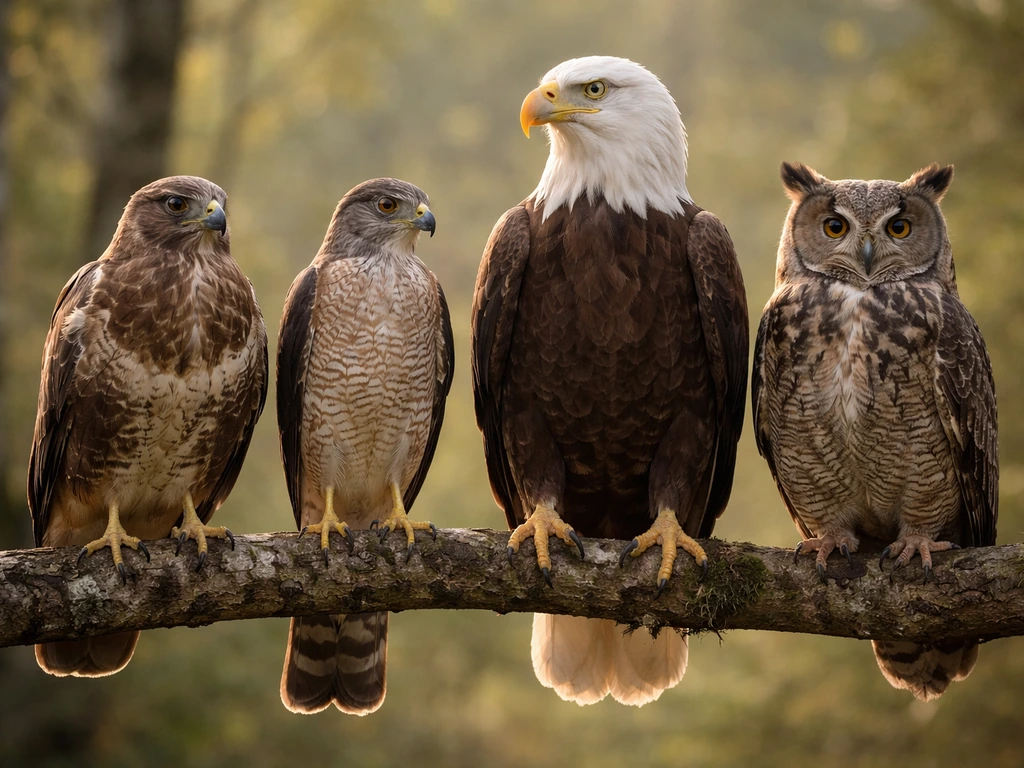
All of these birds are raptors, but they differ in size, hunting style, taxonomy, and the details of their physical adaptations. Here is a quick side-by-side:
| Bird group | Typical size | Order (modern) | Hunting style | Notable trait |
|---|---|---|---|---|
| Common Buzzard (Buteo buteo) | Medium-large (51–57 cm) | Accipitriformes | Active hunter + some scavenging | Broad rounded wings, mewing call |
| Turkey Vulture ('buzzard' in N. America) | Large (64–81 cm) | Accipitriformes | Scavenger (carrion) | Bald red head, dihedral wing posture |
| Red-tailed Hawk (close Buteo relative) | Medium-large (45–65 cm) | Accipitriformes | Active hunter | Rusty-red tail (adults) |
| Bald/Golden Eagle | Very large (70–102 cm) | Accipitriformes | Active hunter | Much larger wingspan, powerful build |
| Peregrine Falcon | Medium (34–58 cm) | Falconiformes | High-speed aerial hunter | Pointed wings, stooping dive |
| Barn Owl / Tawny Owl | Small-medium (27–46 cm) | Strigiformes | Nocturnal hunter | Facial disc, silent flight, hearing-led |
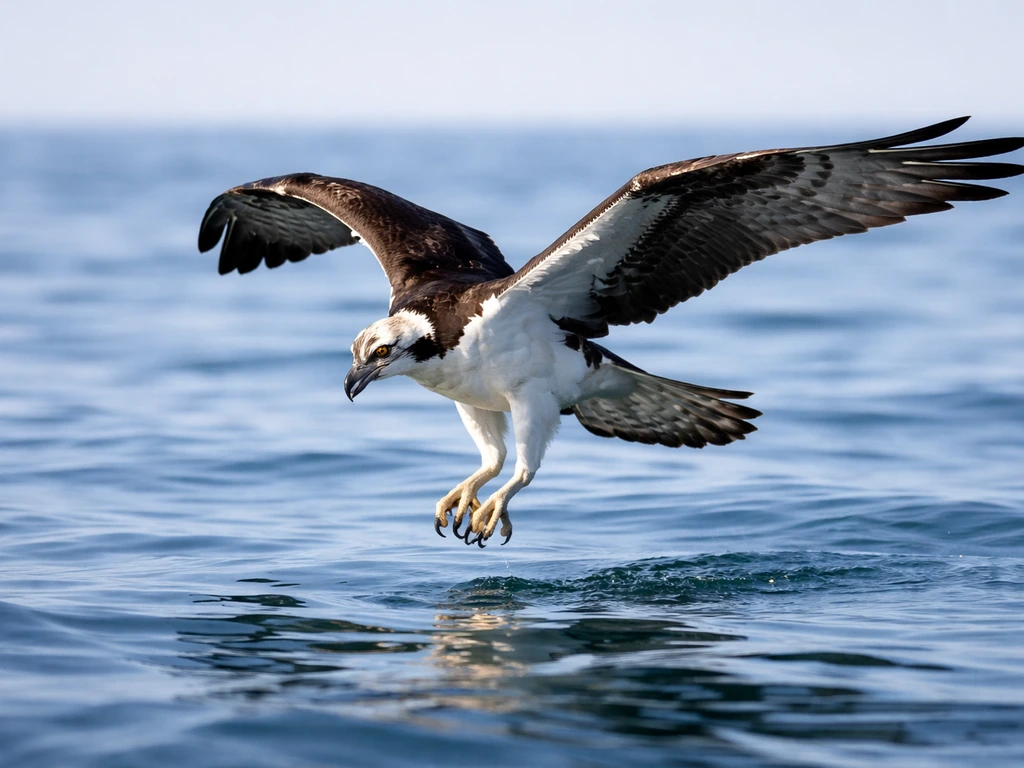
The key distinction between buzzards and eagles is mainly size and power. A Common Buzzard is often mistaken for a small eagle in flight, but eagles are typically much larger with proportionally longer wings and heavier builds. Falcons are in a separate taxonomic order entirely (Falconiformes) and are built for speed rather than soaring, with pointed rather than broad rounded wings. Owls hunt at night and navigate largely by hearing rather than vision, which sets them apart behaviorally even though they share the hooked bill and talon toolkit. For a deeper dive into related classification debates, the question of whether an osprey qualifies as a bird of prey and whether a condor does too involves some of the same taxonomic nuances.
Key traits used to identify a bird of prey
Raptors share a set of physical adaptations that are visible in the field and are worth knowing. These are the features that mark something as a bird of prey rather than, say, a crow or a heron.
- Hooked beak: curved downward at the tip, designed for tearing flesh. This is the single most consistent visual marker across all raptor groups.
- Taloned feet: strong, gripping feet with curved, sharp claws used to catch, hold, or handle prey. Even vultures, which don't strike prey, have notably robust feet.
- Acute vision: raptors have large eyes relative to skull size and very high photoreceptor density, giving them exceptional sharpness and, in many species, UV sensitivity.
- Body proportions built for flight performance: broad wings for soaring (buzzards, eagles, vultures), pointed wings for speed (falcons), or short rounded wings for maneuverability in trees (accipiters like Sparrowhawks).
- Carnivorous diet: all raptors eat meat, whether hunted live or scavenged as carrion.
Owls share the hooked bill, talons, and sharp senses but are adapted for nocturnal hunting, so they add a facial disc that channels sound to their ears and flight feathers modified for near-silent flight. Diurnal raptors like buzzards rely more heavily on vision and tend to have more robust, visible talons compared to the relatively flat-footed look of non-raptor birds.
Common look-alikes and misidentifications
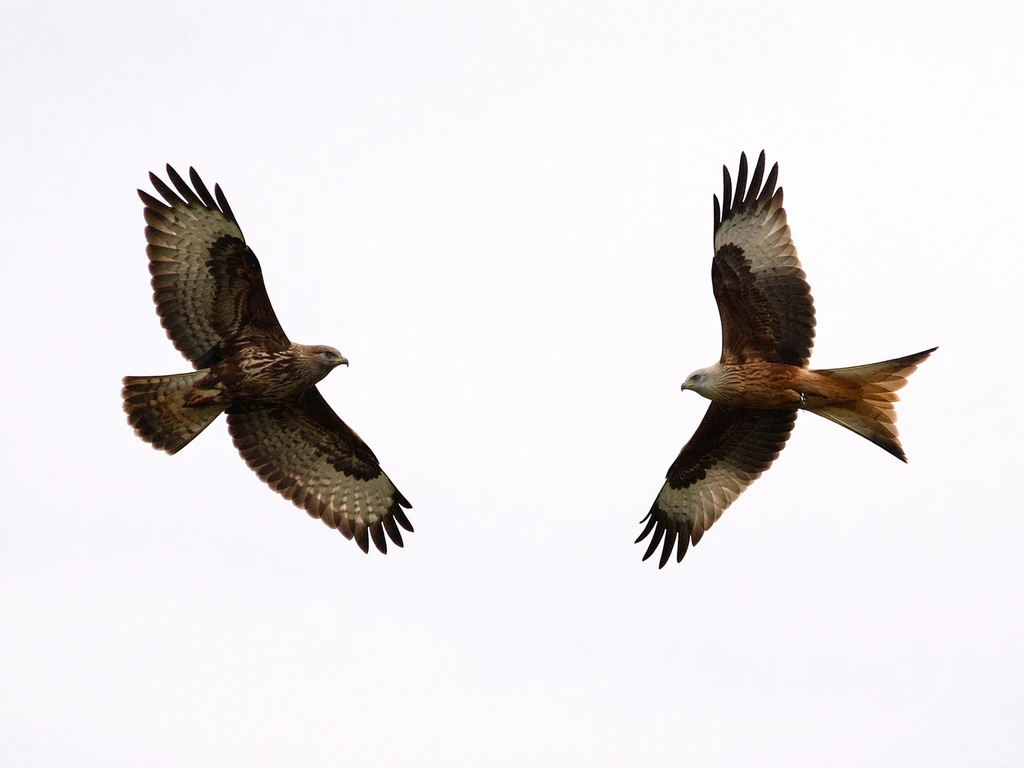
A few specific confusion cases come up repeatedly, especially for people trying to sort out what they just saw in the field.
Common Buzzard vs. Red Kite (UK)
These two are the most frequently mixed up soaring raptors in Britain, and the fix is simple: look at the tail. A Red Kite has a deeply forked, rusty-red tail that is immediately obvious in flight. A buzzard has a broader, rounder, shorter tail that is typically un-banded with dark wingtips. Wing shape is also useful: kites have longer, more angled wings compared to the buzzard's broad, rounded shape. The RSPB also notes that buzzards produce a distinctive mewing call that sounds almost like a cat, which is surprisingly useful for confirmation.
Turkey Vulture vs. hawks (North America)
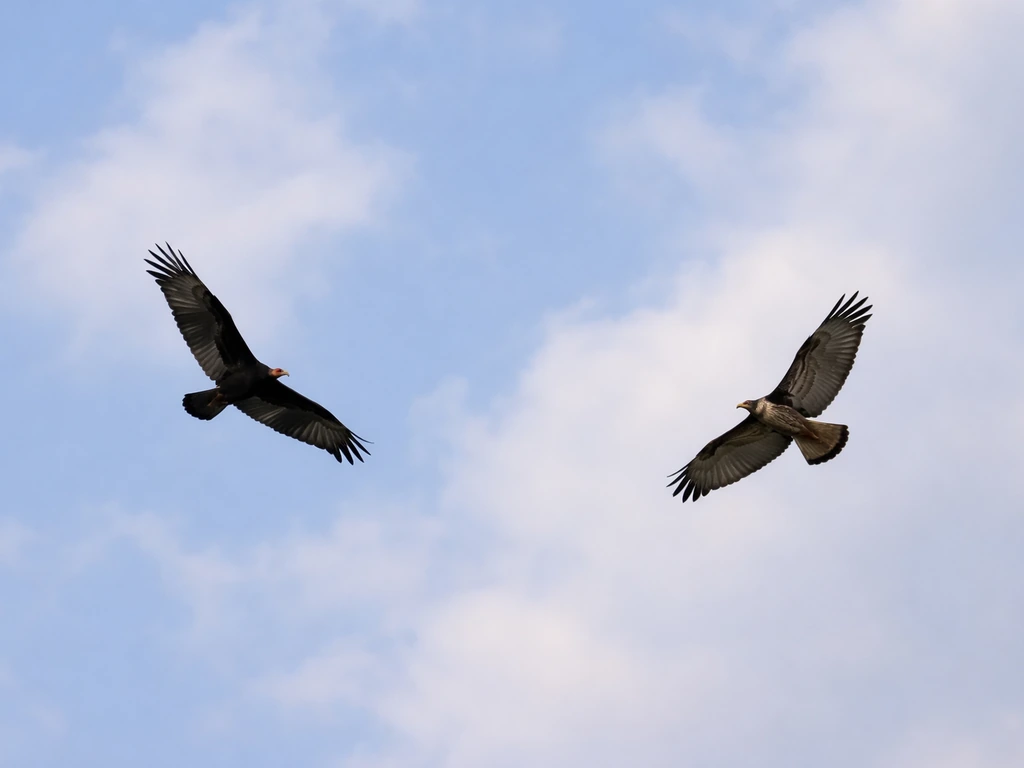
At a distance, Turkey Vultures can look similar to large hawks or even eagles in flight. The most reliable cue is wing posture: Turkey Vultures hold their wings in a pronounced V-shape (dihedral), rocking slightly side to side as they soar. Most hawks hold their wings flat or with only a slight angle. Up close, the Turkey Vulture's bare, red, featherless head is unmistakable compared to the fully feathered heads of hawks and eagles. Their beak is also pale/whitish rather than the darker hooked bill of most Buteo hawks.
Zone-tailed Hawk vs. Turkey Vulture
This is a genuinely tricky one. The Zone-tailed Hawk is a dark raptor that mimics the Turkey Vulture's flight style closely enough that it can blend into soaring vulture groups, likely to get close to prey. If you're in the American Southwest and think you're looking at a group of vultures, check carefully for the Zone-tailed Hawk's banded tail and fully feathered head mixed in among them.
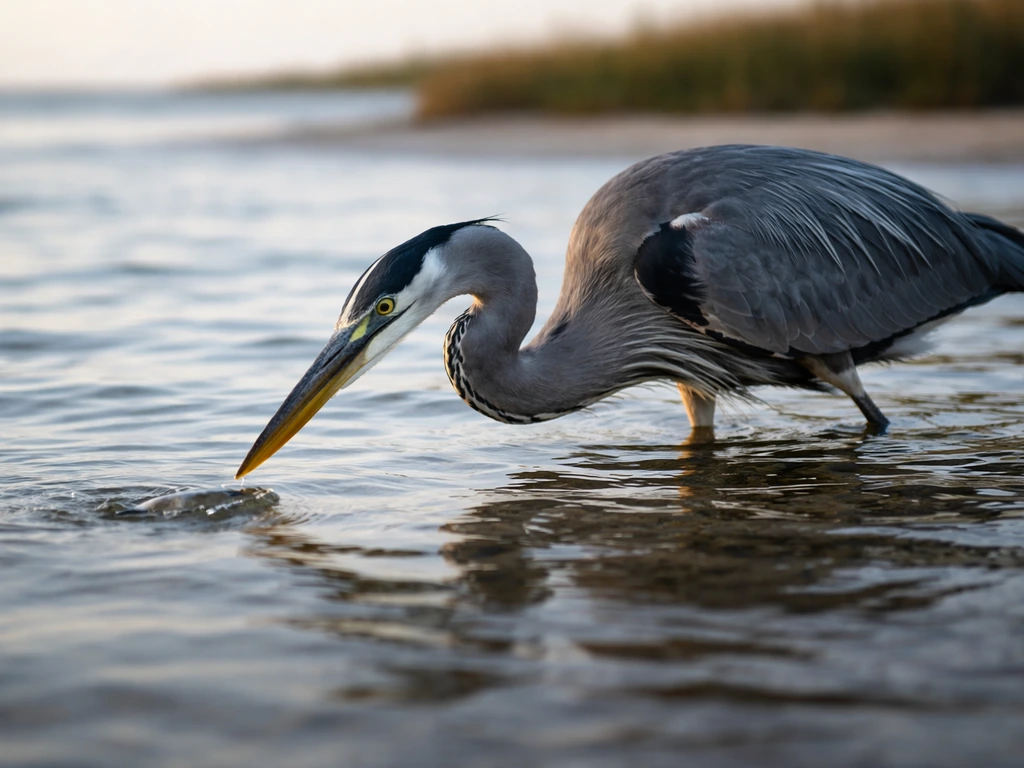
Herons in flight
From a distance, large herons can be mistaken for raptors, especially when soaring. The giveaway is neck posture: herons fold their neck into an S-shape during flight, producing a distinctly hunched, big-headed silhouette. Raptors fly with their necks extended or barely visible. Herons also have long trailing legs, which raptors do not show in level flight. The question of whether a heron qualifies as a bird of prey is worth visiting separately, since herons do catch fish and small animals, but they lack the hooked bill and talons that define raptors. That is the key question: is a heron a bird of prey, or does it belong to a different kind of fish-catching bird whether a heron qualifies as a bird of prey.
How to confirm what you're seeing: practical ID checklist
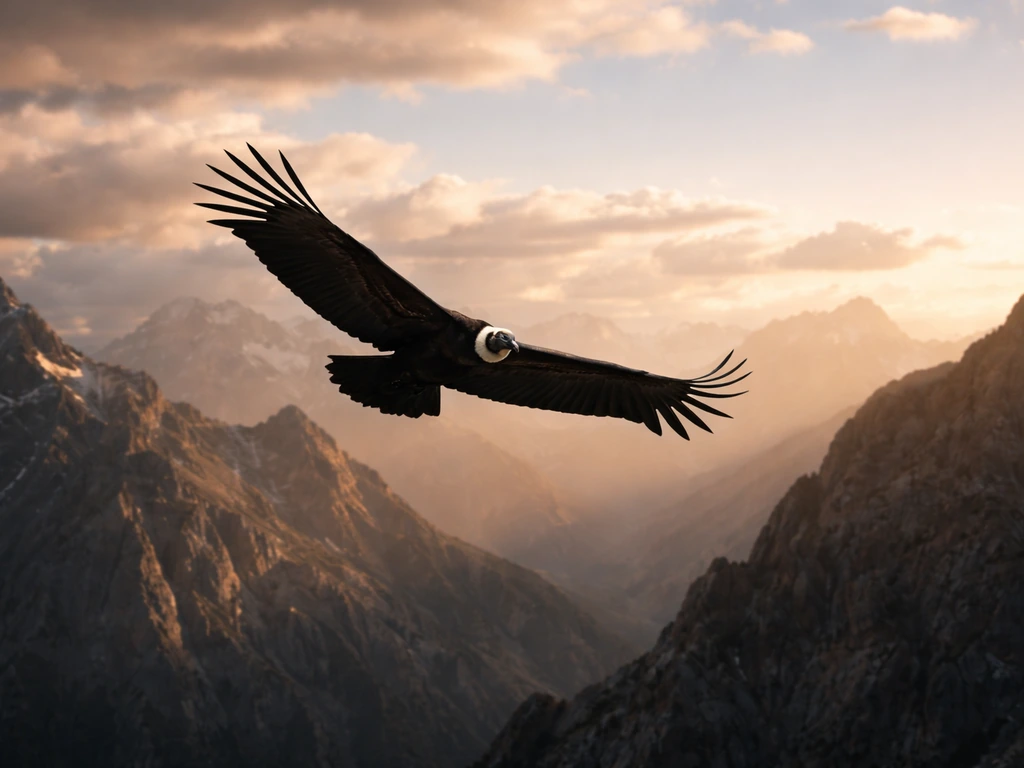
If you think you're looking at a buzzard or another bird of prey, work through these steps systematically. Condors are indeed birds, and they also fit into the broader category of scavenging birds of prey is condor a bird. You don't need binoculars for all of them, though they help.
- Location first: Are you in the UK or Europe? Then 'buzzard' almost certainly means a Buteo hawk. In North America? 'Buzzard' probably means Turkey Vulture. Knowing your geography narrows the field instantly.
- Size and overall shape: Is it larger than a crow but smaller than a Canada Goose? That's buzzard/medium raptor territory. Much larger with a huge wingspan? Think eagle or condor range.
- Wing shape in flight: Broad and rounded with fingered wingtips (spread primary feathers)? That's a classic Buteo/eagle soaring shape. V-shaped dihedral with rocking flight? Turkey Vulture. Pointed wings with fast wingbeats? Falcon.
- Tail shape: Rounded and short (buzzard), deeply forked (kite), long and banded (Zone-tailed Hawk or many accipiters), or fan-shaped when soaring (eagles).
- Head: Feathered or bare? A bare, colorful head points to a vulture. A fully feathered head is standard for hawks and eagles.
- Beak: Can you see a downward hook at the tip? That is the defining raptor beak shape. A straight or spear-like bill means you're looking at a heron, crane, or similar non-raptor.
- Behavior: Is it soaring in circles to scan for food, hovering, or stooping (diving fast)? Raptors do all three depending on species. Is it wading at a pond edge? That's a heron or egret, not a raptor.
- Call: In the UK, a mewing, cat-like cry while soaring is very likely a Common Buzzard. High-pitched whistling in an open sky often points to a Red Kite.
- Check a field guide or app for your region: Once you've narrowed it down to a shortlist using the above, cross-reference with a regional guide. Apps like Merlin (Cornell Lab) can help confirm using photo or sound ID.
The bottom line is that buzzards are solidly, unambiguously birds of prey. The term covers both the Buteo hawks of Europe and the vultures colloquially called buzzards in North America, and both groups have the physical adaptations and ecological role that define a raptor. The only real confusion is the naming, and once you know which continent's convention you're working with, the classification is straightforward. When in doubt in the field, lead with wing shape and tail shape: those two cues will get you to the right group faster than almost anything else.
FAQ
If a buzzard scavenges, does that mean it is not a bird of prey?
It depends on where you are and who is speaking. In Britain and most of Europe, “buzzard” usually means Buteo hawks (like the Common Buzzard). In North America, “buzzard” is often a casual name for vultures, especially the Turkey Vulture. If you’re unsure, treat “buzzard” as a name you must map to the region and then confirm with tail, wing shape, and head coloration.
Are vultures considered bird of prey types the same way as hawks and eagles?
No. Scavenging does not disqualify a bird from being a raptor, because raptor definitions are based on anatomy and ecological strategy, not whether it always kills first. Vultures and some hawks take carrion, and they still have the hooked/strong bill and grasping feet plus other adaptations that make them specialized meat-eaters.
Is there a practical difference between “bird of prey” and “raptor” when I’m trying to identify one?
In birding, “raptor” and “bird of prey” are typically used interchangeably, but the most useful way to think of it is by whether the bird has raptor-style tools (hooked beak, strong grasping talons for many raptors) and raptor flight posture (often a more purposeful soaring silhouette). If the bird looks like a crow or heron but lacks those traits, it is usually not a raptor even if it sometimes eats meat or fish.
What should I look for to avoid confusing a Turkey Vulture with a hawk?
If the bird holds its wings in a pronounced V-shape and rocks slightly side to side as it soars, that strongly suggests a Turkey Vulture rather than a hawk. A hawk is more likely to hold wings flatter or only slightly angled, and it will have a fully feathered head. Up close, the featherless red head and pale beak of Turkey Vultures are usually the clincher.
How can I tell a Common Buzzard from a Red Kite when they’re both soaring?
Check the tail and overall wing shape. Common Buzzards typically show a broader, rounder, shorter tail, often with a less dramatic pattern than some lookalikes, and they tend to have broad, rounded wings suitable for soaring. Red Kites usually show a distinctly forked tail and a more obvious, contrasting rusty coloration.
If I see a “vulture-like” raptor in the Southwest, how do I check it isn’t a Zone-tailed Hawk?
Zone-tailed Hawks can mimic the posture and silhouette of Turkey Vultures, so don’t rely on flight alone. Look for details like a fully feathered head, tail patterning (for example, banded or patterned tail), and any sign that the “vulture group” includes a different wing and head profile.
Can a heron ever count as a bird of prey?
Don’t confuse “meat-eater” with “raptor.” Herons do hunt and eat animals, but they lack the defining raptor toolkit, especially the hooked bill and strong talons used for grabbing and dispatching prey. A quick field cue is neck and leg posture, herons often show an S-shaped neck and long trailing legs, while raptors keep a different neck posture and generally do not show trailing legs in level flight.
Are owls included in the “bird of prey” idea even though they hunt at night?
Yes, but use the identification cues before you generalize. Even though owls have the hooked bill and talons that fit the raptor idea, their nocturnal adaptations (facial disc for hearing, different flight style) usually make them look and behave differently than daytime raptors like buzzards.
What’s the fastest “decision tree” for identifying a buzzard-like bird from far away?
If you’re trying to ID a bird from photographs or a distant video, choose cues that don’t depend on close inspection. Wing posture, tail shape (rounded versus forked or deeply notched), overall body proportions (small eagle-like build versus true eagle size and power), and head feathering versus featherless skin are often more reliable than color claims that can vary with lighting.