Birds are both predators and prey, and almost every bird species on the planet plays both roles at some point in its life. A hawk hunting a mouse is a predator. That same hawk getting mobbed and killed by a great horned owl is prey. A robin eating earthworms is predating invertebrates. A cat catching that robin makes the robin prey. The predator-vs-prey question only has a clean answer when you name a specific bird and ask about a specific interaction, so that is exactly how this guide is structured.
Is a Bird a Predator or Prey? How to Tell for Any Species

Marcus Hendricks
16 Jun 2026
Yes and No: Most Birds Are Both
The honest ecological answer is that "predator" and "prey" are not fixed identities, they are roles a species plays in a food web depending on the interaction you are looking at. Ecologists use the concept of trophic levels to describe where an organism sits in the chain of who eats whom, but real food webs are networks, not ladders. A single bird species can sit at multiple positions in that network simultaneously.
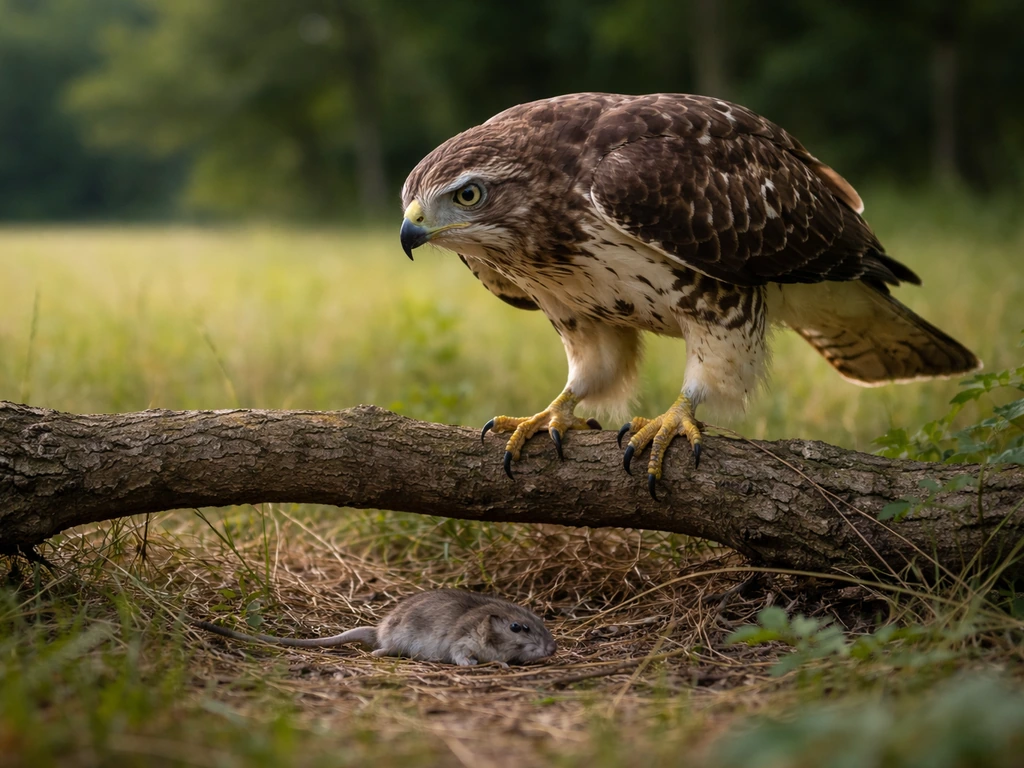
An osprey eating a fish is acting as a predator. A bald eagle stealing that osprey's fish and occasionally killing the osprey is making the osprey prey. The only birds that come close to being exclusively predators are true apex predators with no natural enemies, and those are rare. The only birds that are essentially always prey are helpless chicks in the nest, and even that phase ends.
What Predator and Prey Actually Mean in Bird Ecology
In ecology, a predator actively hunts and kills another organism (the prey) for food. That definition sounds simple until you try to apply it to birds. A vulture does not kill anything, it eats animals that are already dead. By the strict definition, a vulture is a scavenger, not a predator, even though it feeds on animal flesh.
A crow eats insects, berries, carrion, and also raids other birds' nests to eat eggs and chicks. That makes it both a scavenger and an active predator depending on the meal. A herring gull catches live fish and invertebrates but also steals food from humans and eats garbage. That same mix of hunting and scavenging is why a seagull can be both predator and prey depending on the situation.
Seagulls sit in that same messy middle ground.
The prey side is equally complicated. Whether a bird gets eaten depends on its size, where it nests, what habitat it lives in, and how old it is. A great horned owl and an eagle owl have been documented killing adult red-tailed hawks, which are themselves serious predators. That does not make the hawk a prey species in any general sense, but it does mean the hawk is prey in that specific interaction. Thinking about birds in these relational terms, rather than slapping a single label on them, is how ecologists actually work.
How Diet Reveals Whether a Bird Is a Predator
The clearest clue to a bird's predator status is what it eats and how its body is built to get that food. For example, pigeons are not raptors, and their diet and hunting style do not match what birds of prey do food it eats. Birds have diversified into dozens of dietary niches over millions of years, and each niche left physical evidence you can observe directly.
Raptors and Birds of Prey
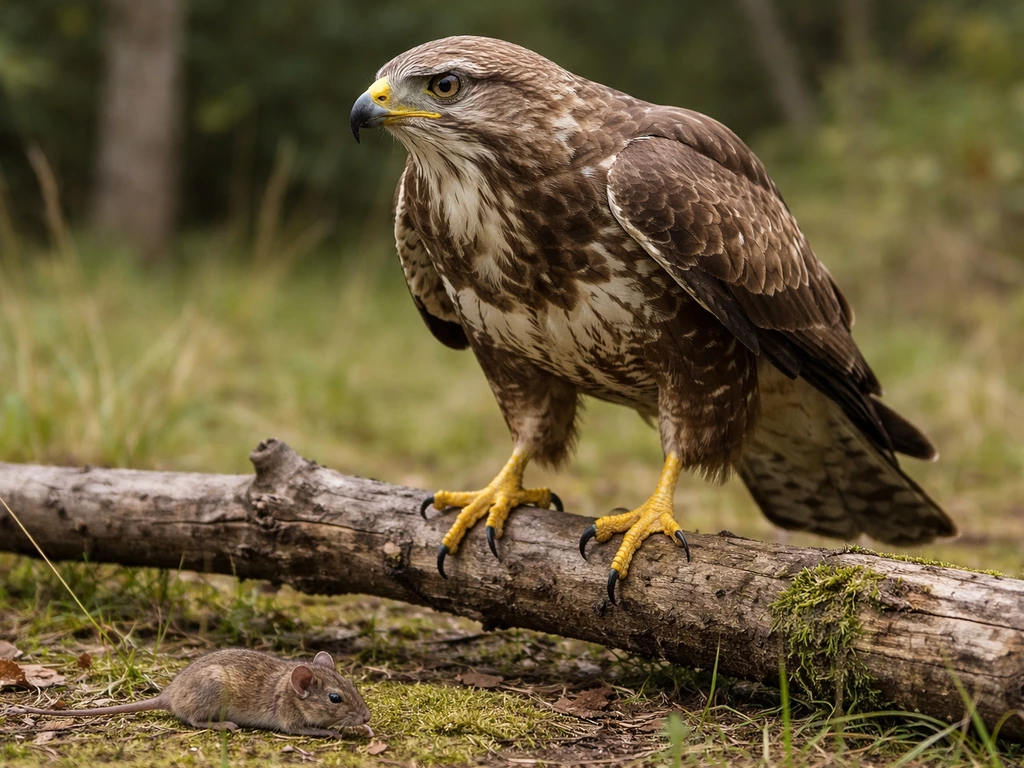
True birds of prey, the hawks, falcons, eagles, and owls, are the clearest predators in the bird world. They have hooked beaks designed for tearing flesh and powerful taloned feet engineered for gripping, immobilizing, and killing prey. A Eurasian sparrowhawk, for instance, gets up to 97% of its diet from small birds it actively hunts in flight. These birds are apex or near-apex predators in most of the habitats where they live.
Insectivores, Piscivores, and Specialist Hunters
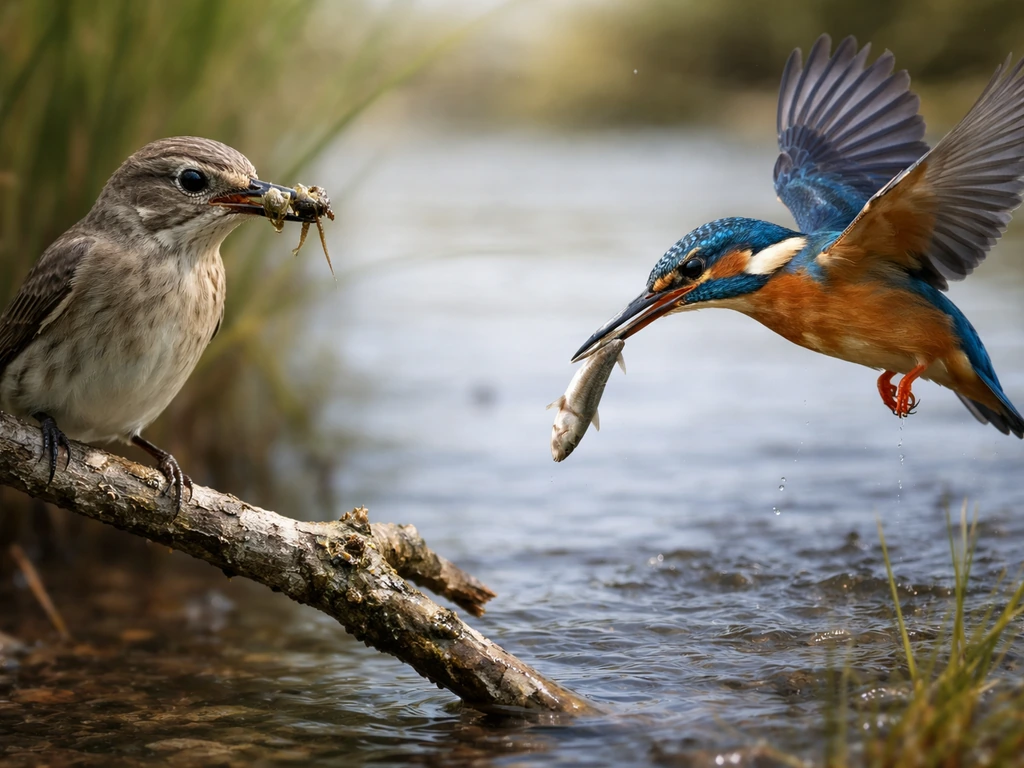
Many birds that are not raptors are still active predators in an ecological sense. Herons have spear-like bills for stabbing fish. Kingfishers and terns plunge-dive to catch fish from the air. Swallows and flycatchers hunt insects on the wing. These birds are predators of invertebrates or fish even though they do not have talons or hooked bills. Their prey is smaller, but the predator relationship is real.
Omnivores and Scavengers
Omnivores like crows and seagulls sit in a genuinely gray zone. American crows eat earthworms, insects, seeds, fruit, carrion, garbage, and the eggs and chicks of other birds. They are predators when they raid a nest and scavengers when they eat roadkill. California condors eat only dead animals and have flat feet with no seizing talons, making them obligate scavengers rather than predators. Vultures as a group share this profile. Calling these birds predators or prey without context misses the point.
What Actually Eats Birds: Predators by Life Stage and Habitat
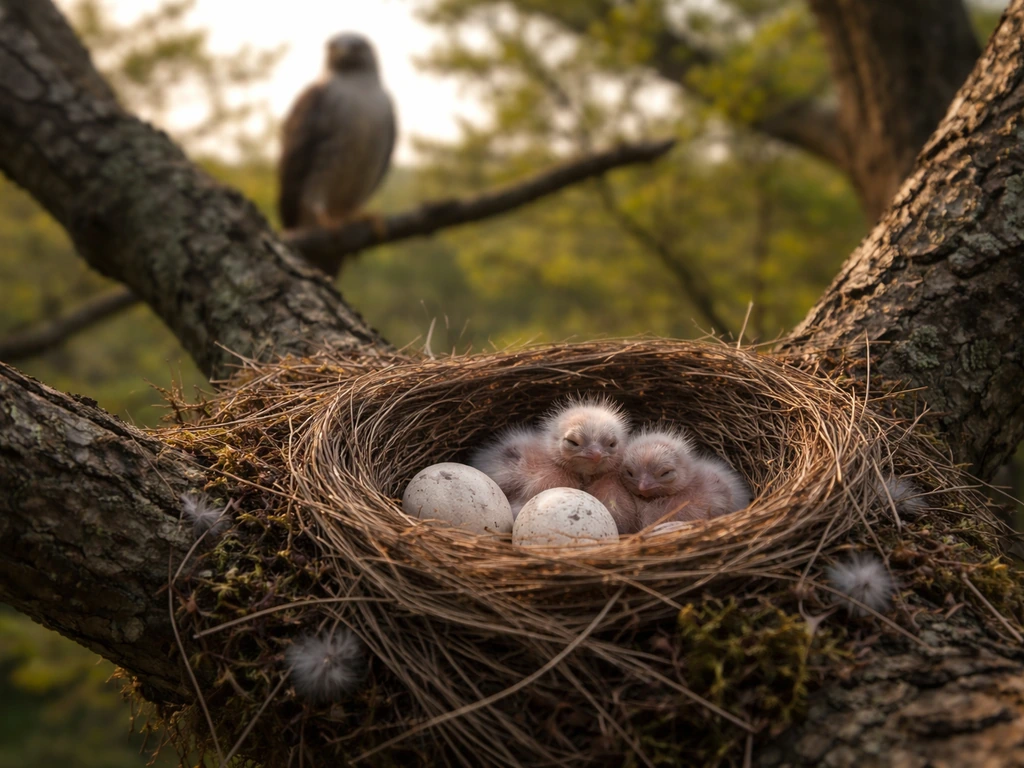
Whether a bird becomes prey depends heavily on how old it is and where it lives. Vulnerability is not constant across a bird's life.
| Life Stage | Main Predators | Examples |
|---|---|---|
| Eggs | Mammals, snakes, other birds | Raccoons, opossums, rat snakes, crows, jays |
| Nestlings and chicks | Snakes, mammals, raptors | Corn snakes, squirrels, skunks, Cooper's hawks |
| Fledglings (just left nest) | Cats, raptors, snakes | Domestic cats, accipiters, larger owls |
| Adult small birds | Cats, raptors, snakes | Cats, sparrowhawks, red-tailed hawks, rat snakes |
| Adult medium-large birds | Large raptors, mammals | Great horned owls, coyotes, foxes, humans |
| Adult apex raptors | Humans, occasionally larger raptors | Great horned owl occasionally taking large hawks |
Nest predation is one of the biggest causes of nest failure in wild birds. Studies on North American bird nests identify snakes as significant culprits, with a handful of common snake species responsible for the majority of documented snake-nest predation events. Raccoons, opossums, skunks, squirrels, and foxes regularly hit nests of species like tufted titmice, wild turkeys, and mallards. Domestic and feral cats are a major and underappreciated threat to adult birds, particularly garden and suburban species like American robins. One synthesis of 21 studies found cats impose substantial predation risk on native birds, and they hunt year-round regardless of season.
Habitat also shapes vulnerability. Ground-nesting birds face far more mammal and snake predation than cavity-nesting birds. Urban birds face cats and corvids more than rural birds face large mammalian predators. Island birds often evolved with few native predators and are devastated when invasive cats and rats arrive, a pattern the IUCN has flagged as one of the worst threats to threatened species worldwide.
How to Decide for the Specific Bird You Have in Mind
If you have a particular bird in mind and want a real answer, work through these questions in order. You will land on a clear conclusion most of the time. In the case of a goose, its role depends on what you are comparing it against, since geese are generally omnivores rather than dedicated raptors.
- What does it eat? Look up its diet. If it hunts and kills animals (insects count), it is functioning as a predator in those interactions. If it eats only plants and seeds, it is an herbivore with no predator role toward animals.
- What are its beak and feet like? A hooked bill and taloned feet signal a raptor-level predator. A spear-like bill signals a fish predator. A thick, seed-cracking bill signals an herbivore or omnivore. Flat, unspecialized feet with no grip suggest the bird is not built to seize prey.
- How does it hunt? Active pursuit, ambush, plunge-diving, and nest raiding are all predatory behaviors. Grazing, gleaning seeds, or following a plow for worms is not.
- What eats it? Search the species name plus 'predators' on a reputable source like All About Birds or Animal Diversity Web. Note whether the list of predators is long or short, and whether adults or only chicks are targeted.
- Where does it nest? Ground-nesting birds are more vulnerable to a wider range of predators. Cavity nesters like woodpeckers have some natural protection, though squirrels and raccoons still raid cavities.
- Is it an adult or juvenile? Even apex predators like bald eagles have vulnerable egg and chick stages when they are unambiguously prey.
Run a common backyard bird like an American robin through this checklist: it eats earthworms and insects (predator of invertebrates), has a generalist bill with no hooks or talons, hunts by visual searching on the ground, blank" rel="noopener noreferrer">is taken by accipiters and cats as an adult and by raccoons and small carnivores at the nest, and nests in trees or shrubs with moderate protection. Verdict: predator of invertebrates, prey for medium raptors and cats. Both roles, clearly documented.
Special Cases Worth Knowing About
Scavengers Are Not Predators, Technically
Vultures and condors feed entirely on animals they did not kill. That distinction matters scientifically even if it seems pedantic. California condors, for example, have flat padded feet rather than seizing talons, a physical marker that they are not built to kill. If someone asks whether a condor is a predator, the most accurate answer is no, it is a scavenger. It is, however, still potentially prey for humans and, historically, for other large predators.
Omnivores Resist Simple Labels
Crows, seagulls, and similar opportunists shift roles constantly based on what is available. A herring gull catching a live crab is a predator. The same gull eating a sandwich someone dropped is neither predator nor prey. Omnivores illustrate why food web ecologists use network models rather than fixed labels. If you are classifying a crow or a gull, the most accurate answer is: predator when hunting live prey, scavenger when eating carrion or waste, and prey for larger raptors and some mammals.
Juveniles Change the Equation
Almost no bird is a predator at the egg or nestling stage. Nesting designs are shaped by predation risk because nests are temporary structures that hold vulnerable eggs and baby birds, according to All About Birds Academy. Mallard ducklings are eaten by raptors, owls, and mammals in large numbers even though adult mallards have few serious predators. Wild turkey eggs and poults are taken by raccoons, opossums, skunks, foxes, rodents, and raptors including bald eagles and barred owls, even though adult turkeys are big enough to deter most of those predators. Life stage is not a footnote. It can completely reverse a species' ecological role.
Urban and Suburban Birds Face Different Pressures
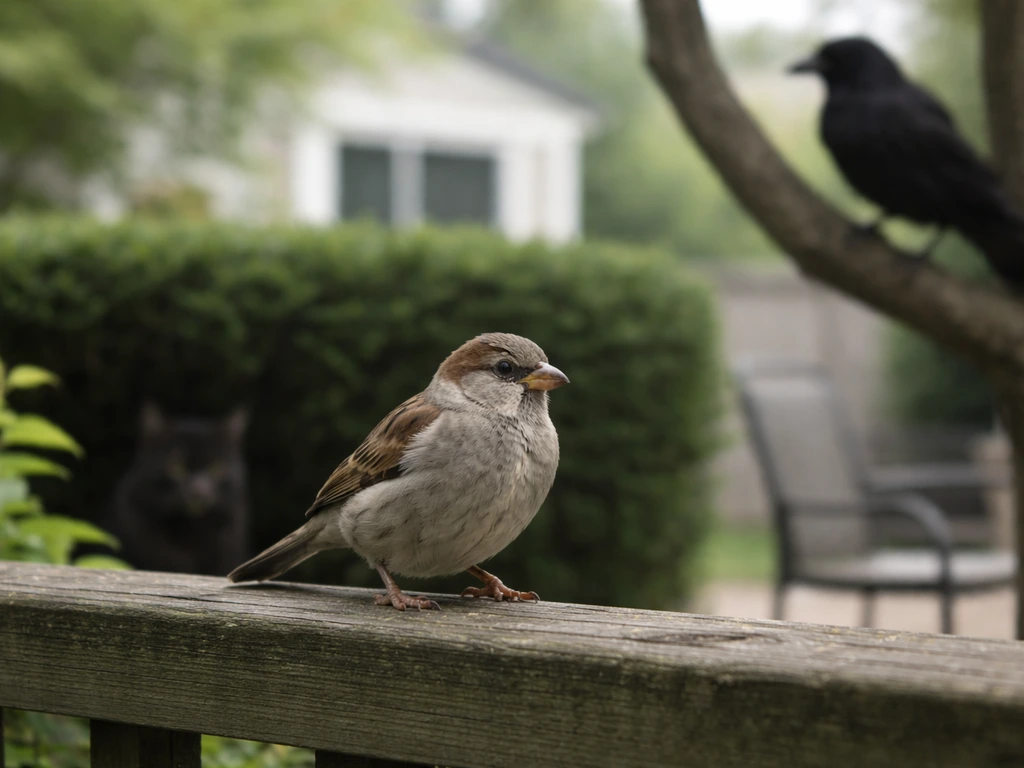
Urban wildlife ecology does not follow the same rules as wilderness ecology. In cities and suburbs, the dominant predators of birds are domestic cats, corvids like crows and magpies, and sometimes rats. Hawks and owls are present but less abundant. A house sparrow in a city is much more likely to be taken by a cat than by a Cooper's hawk. If you are thinking about a specific urban bird, weight cat predation and nest raiding by corvids more heavily than you would for a rural species. This is also relevant for chickens, pigeons, canaries, and parrots in captive or semi-captive settings, where the predator list looks very different from their wild counterparts.
Settle It Today: Your Practical Next Steps
If you searched this question because you want a firm answer for a specific bird, here is exactly what to do. If you are wondering specifically, a puffin is a bird, but it is not a bird of prey is a puffin a bird of prey.
- Identify the bird precisely. Common names are ambiguous. 'Hawk' covers dozens of species with different diets and vulnerability profiles. Use All About Birds (Cornell Lab of Ornithology) or Animal Diversity Web to confirm the species and get a detailed profile.
- Look up its diet on one of those sources. Note whether it eats live animals it actively hunts, carrion it scavenges, plant material, or a mix. That tells you its predator status.
- Look up 'predators' in the same species account. Most detailed accounts list what eats the bird at each life stage, eggs, nestlings, juveniles, and adults separately.
- Check its beak and feet. Photos of the species will show you whether it has the physical tools for killing prey (hooked bill, strong talons) or not.
- Observe if you can. If you have access to the bird, watch what it does with food. Does it pursue and kill? Probe for invertebrates? Scavenge? Behavior confirms diet data.
- Note the habitat and life stage. A ground-nesting chick in a suburban yard is in a completely different risk environment than an adult red-tailed hawk in a rural forest.
The sibling questions on this site, covering whether specific birds like chickens, pigeons, parrots, seagulls, puffins, geese, canaries, and gooses qualify as birds of prey, all follow the same logic: look at diet, anatomy, hunting behavior, and what eats them. None of those birds are raptors in the technical sense, but several of them are genuine predators of invertebrates or small vertebrates in their own right. The framework here applies to all of them.
The bottom line is that asking whether a bird is a predator or prey is like asking whether a person is a buyer or a seller. The answer is yes, depending on the transaction. Pick your bird, check its diet and predator list, factor in life stage and habitat, and you will have a clear, evidence-backed answer in under ten minutes. Whether a canary counts as a bird of prey depends on what it eats and whether it hunts live animals. Parrots, for example, tend to be omnivores or seed-eaters rather than raptors that hunt and kill prey like true birds of prey.
FAQ
If I know a bird is a predator, does that mean it is never prey?
It depends on the specific life stage and opponent. Adult birds are sometimes safe from many predators, but eggs and nestlings have near-universal “prey” risk because most predators can reach nests. So you need to ask “prey to which predator at which stage,” not “prey in general.”
How can I tell the difference between a bird that kills prey and one that scavenges?
Use anatomy plus hunting behavior together. A bird with strong talons but a diet dominated by dead animals is still not a predator in the strict sense. The best field clue is whether it kills and tears prey, or mainly eats carcasses, scraps, or stolen food.
What is the right answer for omnivorous birds like crows or seagulls?
If the bird’s diet includes both live prey and carrion or garbage, it can shift roles day to day and even within the same day. Classify by interaction: hunting live animals means predator, eating waste means scavenger, and being hunted by larger animals means prey.
Why does the predator or prey answer change between urban and rural areas?
Compare it to what actually eats the bird in its exact context. For example, a rural adult may face few natural threats, but an urban bird often faces high predation from cats and nest-raiding by corvids. The predator list is different enough that “typical” wilderness answers can mislead you.
Do season and food availability affect whether a bird is predator or prey?
Start with what food is available and what the bird can access, then check seasonality. Nest failure patterns often spike when predators are most active and when food shifts make nest raiding more rewarding. So timing can change who is predator versus prey for the same species.
Can a bird change roles during its life (for example, from prey as a chick to predator as an adult)?
Yes, the classification can flip across life stages. Many species are prey as eggs and chicks even if adults are hard to capture, and some adults become more vulnerable during molting, poor weather, or when they are guarding nests.
What matters most for whether a bird’s nest is prey?
For nest predation questions, look at nest placement and access. Ground and low nests are hit more often by mammals and snakes, while cavity nests can reduce some threats but may increase others. Use nest type and height as first-order predictors before you look up specific predators.
Is “bird of prey” the same thing as “predator”?
Be careful with “bird of prey” versus “predator.” Many birds are predators of insects or small animals but are not raptors with hooked beaks and talons, so they will not fit a “bird of prey” label even when they hunt actively. The safest answer is to state the role in the specific food web interaction.
How should I answer if the bird is in captivity or a backyard with pets?
In captivity or semi-captivity, the predator community can be completely different from the wild. Birds may face more risk from the animals that share their enclosure (including cats, rats, or other pets) and less risk from their native predators. Always adjust your predator list to the actual setting.
Someone told me a puffin is a bird of prey, is that true?
A puffin is a good example of the common mix-up. Puffins are birds, but they are not “birds of prey” in the raptor sense, even though they actively hunt fish. You should treat puffins as fish predators, and then separately ask what predators hunt puffins where they live.