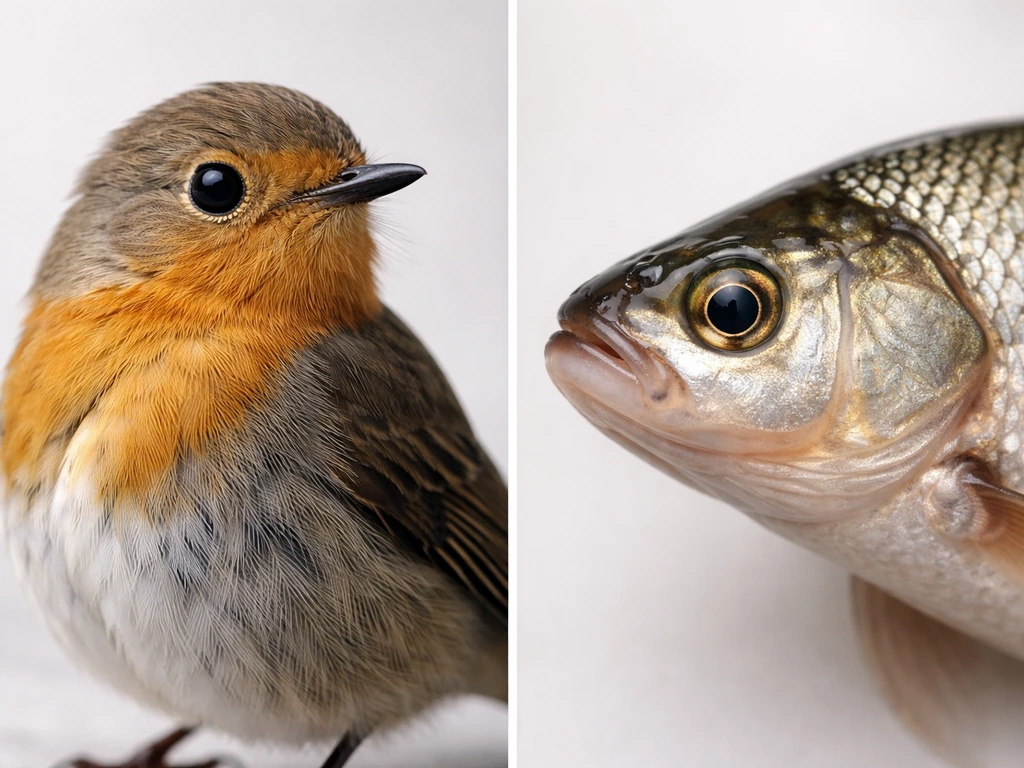
Bird is to feather as fish is to scales. Feathers are the single most defining physical feature of birds, and scales fill exactly that same role for fish. Just like you can look at an animal and say 'that has feathers, so it's a bird,' you can look at another and say 'that has scales, so it could be a fish.' The analogy is asking you to match a category to its most characteristic body feature, and scales win that match for fish.
Bird Is to Feather as Fish Is to: Scales Explained

Marcus Hendricks
7 Jul 2026
What the analogy format is actually asking
The structure 'A is to B as C is to D' is called an analogy of proportionality. It sets up a relationship between the first pair, then asks you to find the same type of relationship in the second pair. The key word here is 'type.' You're not just looking for something connected to fish. You're looking for the same kind of connection that feather has to bird.
In this case, the relationship is 'subject to defining characteristic.' A feather isn't just something birds happen to have. It's the trait that defines them as birds. No other living animal on Earth has true feathers. So the analogy is specifically asking: what feature does for fish what feathers do for birds? It's a classification question dressed up as a word puzzle.
This matters because your first instinct might be to pick whatever comes to mind when you think about fish. Fins? Gills? Tails? All of those are real fish features, but not all of them carry the same definitional weight. The analogy format rewards the most tightly bound association, not a loose one.
Why feathers are the defining feature of birds
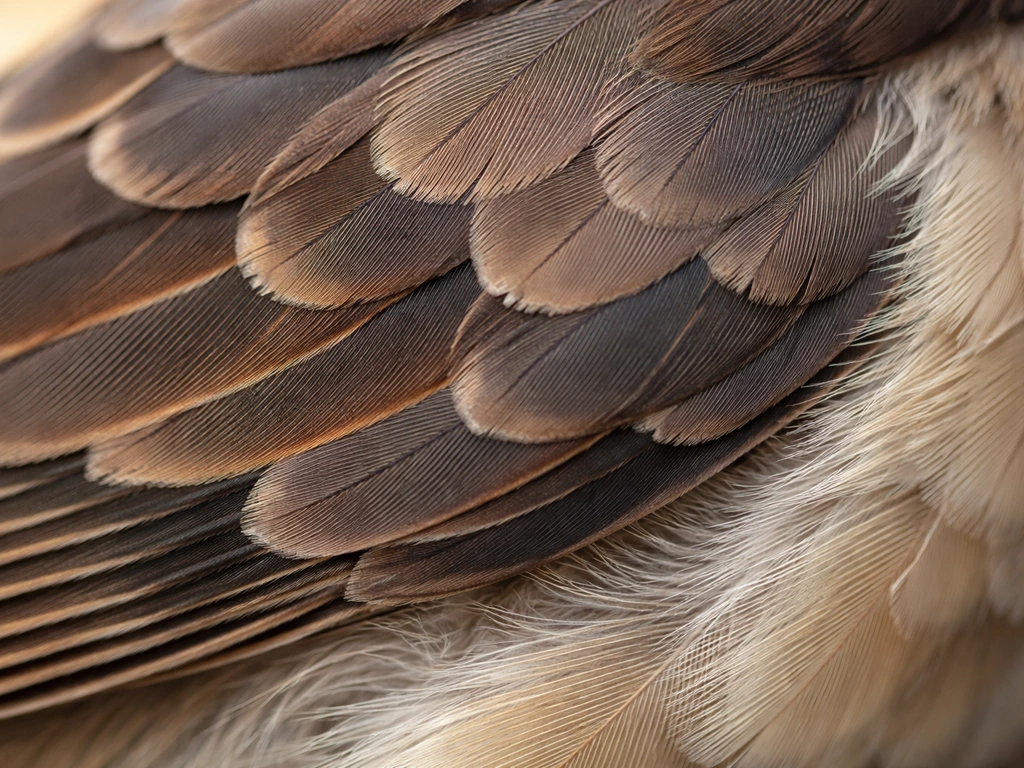
Feathers aren't just a cool accessory birds evolved. They're the trait that biologists use as a hard line to separate birds from everything else. Every single known bird species has feathers, including flightless ones like ostriches and penguins. Feathers serve multiple functions: insulation, flight, waterproofing, camouflage, and display. But their real importance in biology is that they're unique. No mammal has feathers. No reptile has feathers. No amphibian has feathers. Only birds.
From a classification standpoint, feathers are so diagnostic that if you find a fossil with feather impressions, paleontologists immediately start having a serious conversation about whether it's a bird or a close bird ancestor. That's how tightly the trait is bound to the category. Feathers are also what distinguish birds from their closest evolutionary relatives, the non-avian dinosaurs, even though those groups share a lot of skeletal features. The feather is the dividing line.
So when the analogy says 'bird is to feather,' it's pointing to a relationship where the feature is nearly synonymous with the group. That's the standard the second half of the analogy has to meet.
The correct match: fish is to scales
Scales are the feature that most closely mirrors feathers in the fish analogy. They're the visible, external body covering that you associate with fish the moment you picture one. Most fish species are covered in scales, and scales serve a protective function similar to how feathers serve insulating and protective functions in birds. When someone draws a cartoon fish, the first thing they add (after the basic body shape) is scales. That's not an accident. It's because scales are the most visually and functionally iconic fish trait.
There's a nuance worth acknowledging here: not all fish have scales. Catfish, lampreys, sharks, and a few others are scale-free or have modified scale structures. This makes the fish-to-scales parallel slightly looser than the bird-to-feather parallel, where there are literally zero exceptions. But in the context of an analogy question, you're looking for the best match in terms of definitional association, not a perfect biological rule with zero exceptions. And scales still win that comparison by a wide margin.
Why fins and gills aren't the best answer
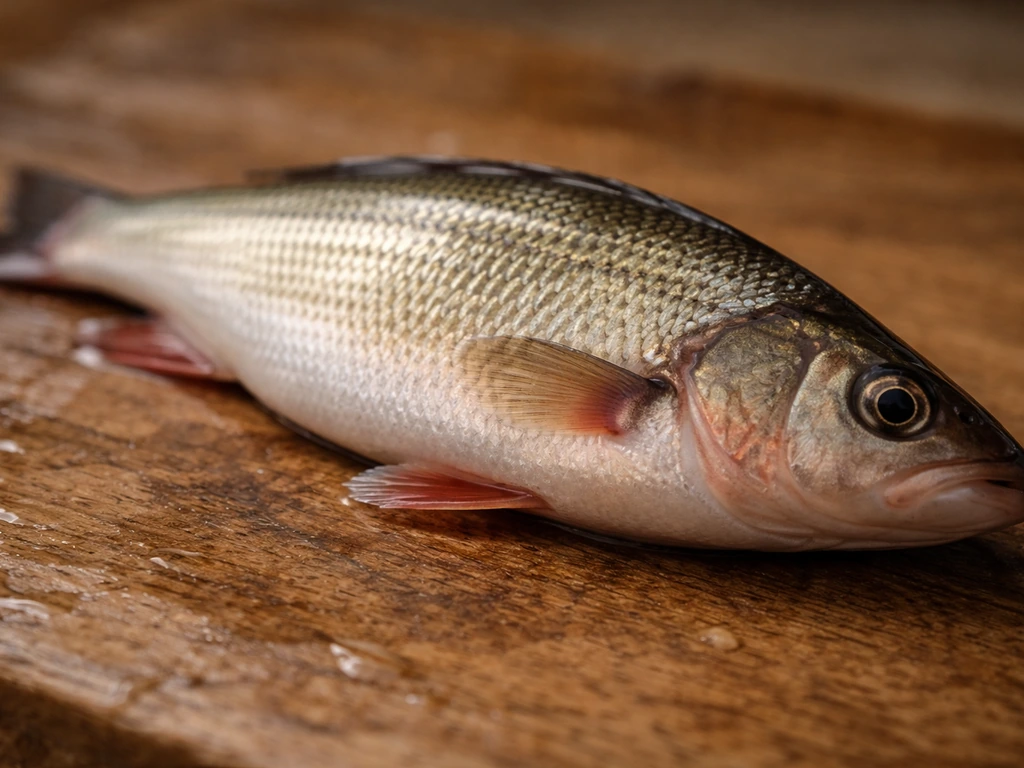
Fins and gills are genuinely important fish features, and it's completely reasonable to think of them first. But neither one holds up as the strongest analogy match when you look at what 'feather' is doing in the first pair.
Fins are functional structures used for movement and steering. They're distinctive to fish in the way that wings are distinctive to birds, not in the way that feathers are. Wings are a structural appendage. Feathers are the defining surface material. If the analogy said 'bird is to wing as fish is to,' then fin would be a great answer. But the question is about feathers, which are the surface covering, not the limb itself.
Gills are even further from the mark in this context. Gills are an internal (or at least tucked-away) respiratory organ. Feathers, by contrast, are the most externally visible feature of a bird. They're what you see. Gills are more analogous to lungs in a bird, not to feathers. They're also not unique to fish: tadpoles have gills, some aquatic invertebrates have gill-like structures, and certain salamanders keep external gills into adulthood.
| Feature | Is it external/visible? | Is it unique to fish? | Parallel to feathers? |
|---|---|---|---|
| Scales | Yes | Mostly yes | Strong match |
| Fins | Yes | Mostly yes | Partial (matches 'wings' better) |
| Gills | No (internal/hidden) | No (tadpoles, some salamanders) | Weak match |
Fins come closest to being a reasonable alternative, but they map better to a different analogy frame. If someone asked 'bird is to wing as fish is to,' fins would be the correct answer. The question as written, with 'feather' as the second term, points specifically to the outer body covering, and that's scales.
How to reason through this using bird and fish biology
The most reliable way to crack analogies like this one is to ask yourself: what is the relationship type in the first pair, and can I find the same relationship type in the second pair? For 'bird is to feather,' the relationship is 'animal to its most defining external physical characteristic. Merriam-Webster defines analogy as a correspondence or similarity in form or function between parts that leads to an inference blank" rel="noopener noreferrer">relationship type. ' Now apply that to fish: what is the most defining external physical characteristic of a fish? Because fish are animals (not birds), the analogy uses fish to point to their defining external trait, scales. Scales. That's your answer.
It also helps to think about what trait you'd use to identify each animal on sight. If you're looking at a bird and not sure what kind, the first thing you notice is the feathers. If you're looking at a fish and not sure what kind, the first thing you notice (besides the overall shape) is the scales, their pattern, size, and color. That visual and diagnostic weight is exactly what the analogy is testing.
Here's a quick side-by-side of key traits to anchor the comparison:
| Animal group | Defining external feature | Functional purpose | Used for classification? |
|---|---|---|---|
| Birds | Feathers | Insulation, flight, display | Yes, exclusively diagnostic |
| Fish (most) | Scales | Protection, hydrodynamics | Yes, highly characteristic |
| Fish (all) | Fins | Movement, steering | Yes, but closer to wings than feathers |
| Fish (most) | Gills | Respiration | Yes, but internal and not unique to fish |
Once you see the pattern this way, similar analogies become much easier to handle. 'Bird is to feather as mammal is to fur' works the same way: fur is the defining external surface covering of mammals, just like feathers are for birds. The logic is consistent across animal groups.
Where this fits into understanding what makes a bird a bird
This analogy actually touches on something central to how biologists define and classify animals. Birds are defined by feathers in the same way fish are associated with scales, and it's worth appreciating how those features connect to broader classification. In ecology, the terms biotic and abiotic capture the same kind of contrast: living organisms versus non-living factors. Feathers evolved from reptilian scales, which means birds and fish share a distant evolutionary thread through that surface-covering feature. The analogy isn't just a word puzzle. It's pointing to a real structural parallel in how both groups are identified.
If you're interested in how other classification questions work, the same logic applies to group behavior (how birds flock together) and to broader questions about how living things are categorized. If you wondered why birds with the same defining trait tend to group together, you are basically circling a related idea: shared “defining” features draw the line for what belongs together birds flock together. The analogy format is one of the cleanest ways to test whether you understand a defining trait versus a circumstantial one, and feathers versus scales is one of the clearest examples out there.
Bottom line: bird is to feather as fish is to scales. Scales are the external, visible, highly characteristic body covering of fish, just as feathers are for birds. Fins and gills are real features worth knowing, but they don't carry the same definitional weight in this analogy frame. When you see this question on a test or in a word puzzle, scales is the answer you want.
FAQ
What if the fish I picture does not have obvious scales (for example, catfish or sharks)?
In most test-style analogies, the intended answer is the most iconic defining external feature. Even though some fish lack typical scales, “scales” still best matches the analogy’s focus on a visible category-defining covering.
Why isn’t “fins” a better answer than “scales” for this analogy?
Fins can work for a different proportionality frame, such as “bird is to wing as fish is to fin.” But with “feather” in the prompt, the relationship type is about an external surface material that defines the group, which is why “scales” is the closest match.
How do I tell whether the second term should be internal (like gills) or external (like scales)?
If an analogy pair uses a body part that is internal or mostly hidden, it usually points away from that feature. Feathers are the most externally defining trait of birds, so the fish counterpart should also be something external and outwardly noticeable, which scales provide.
How can I avoid choosing a trait that is merely common instead of definitional?
Look for the tightest “category identifier,” not just any associated trait. “Gills” relate to fish, but the category tie is weaker because other animals also have gill-like structures. “Scales” most strongly distinguishes the fish look the analogy is aiming for.
Is there a quick self-test I can do before committing to “scales”?
A good check is to reverse the analogy: if you replace “feather” with a different bird trait that is not uniquely defining, the logic breaks. For fish, try swapping in another visible trait and see whether it still serves as a primary identifier. Scales tend to survive this test most often.
Is the analogy meant to be scientifically perfect or more about test intuition?
For educational analogies, you can treat this as a classification analogy rather than a strict biological “only this feature ever.” The prompt is rewarding the best definitional association, so acknowledging rare exceptions does not usually change the intended answer.
Can I use the same logic to solve similar analogies like “mammal is to fur”?
Yes, “bird is to feather as mammal is to fur” follows the same relationship type: animal group to its most defining external surface covering. If you try “bird is to feather as fish is to fin,” it fails because the paired concept shifts from surface covering to movement appendage.