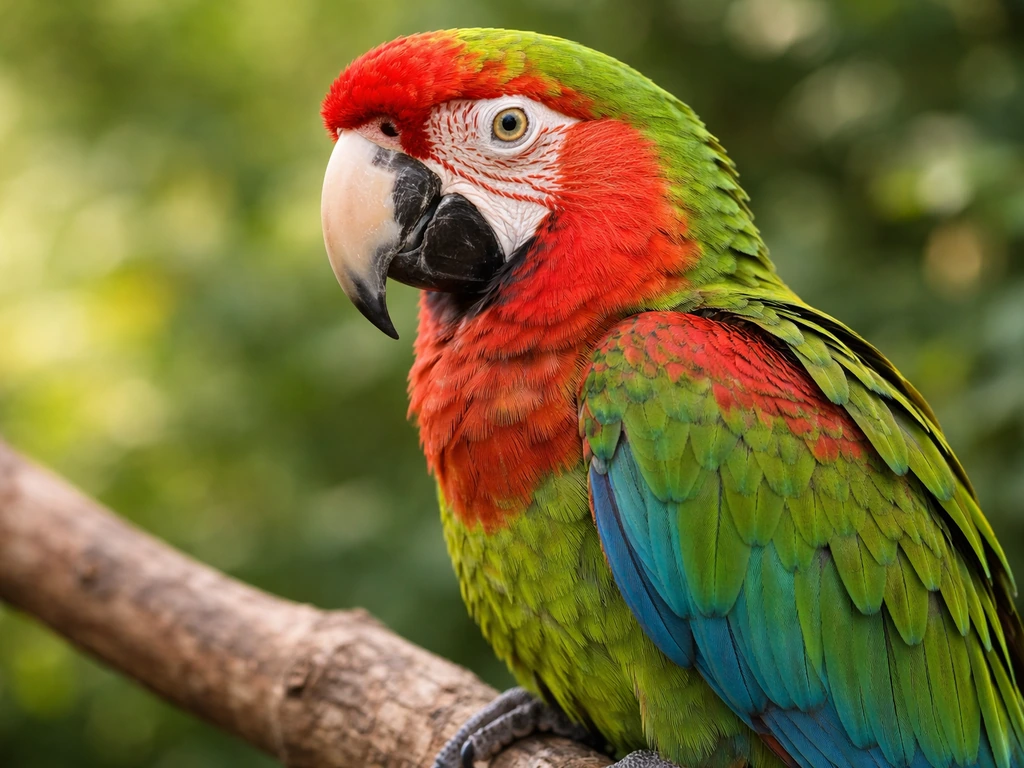
Yes, a parrot is a bird. That is the complete, unambiguous, scientifically settled answer. Parrots belong to the order Psittaciformes, which Britannica defines as covering more than 360 species of birds. They have feathers, hollow bones, a beak, lay hard-shelled eggs, and are warm-blooded. Every single one of those traits is a core avian characteristic. There is no reasonable biological debate here, and if someone on the internet is trying to argue otherwise, you can close that tab now.
Parrot Is a Bird: Why It Counts and What It Means

Marcus Hendricks
11 Apr 2026
What actually makes an animal a bird
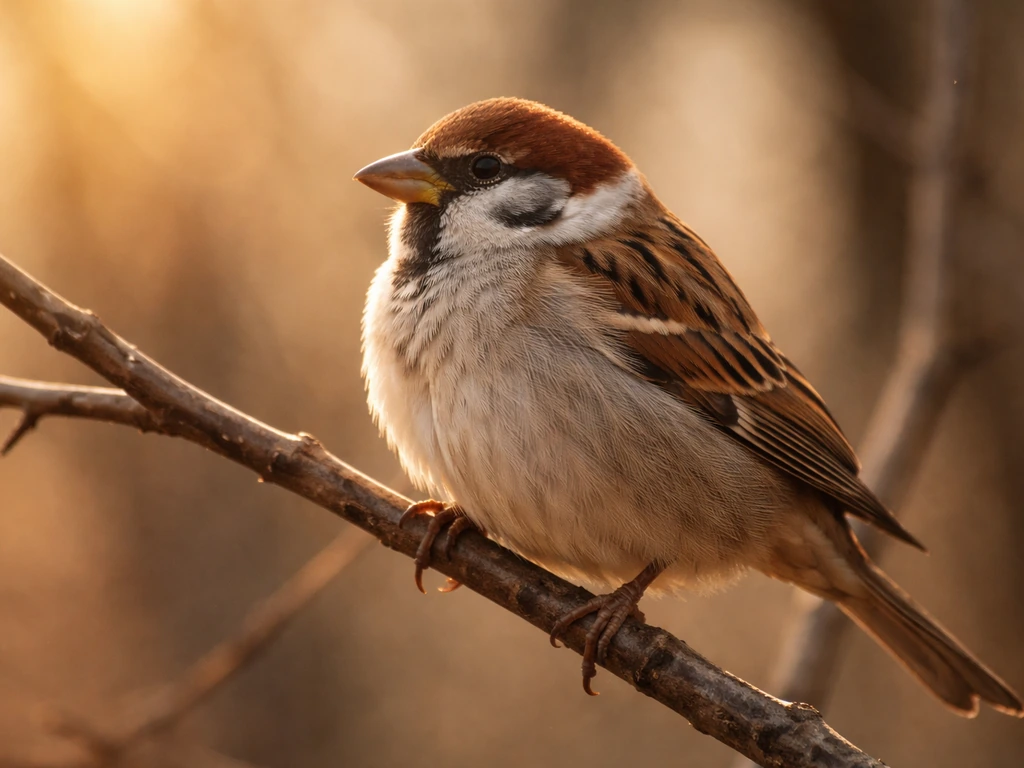
Before getting into where parrots sit specifically, it helps to have a firm grip on what biologists actually mean when they say "bird." Birds are vertebrates, meaning they have a skeleton with a backbone. According to the Smithsonian National Museum of Natural History, the three traits that distinguish birds from every other living vertebrate are feathers, hollow bones, and hard-shelled eggs. That combination is unique to birds and is the foundation of the classification.
On top of those three, birds are endothermic, meaning warm-blooded. They regulate their own body temperature internally rather than relying on the environment to do it for them. The San Diego Zoo puts it plainly: birds are endothermic vertebrates with skeletons in which some bones are hollow, reducing weight without sacrificing structural strength. That hollow-bone feature is part of why birds can fly at all, though not every bird uses it for flight.
Feathers deserve a special mention because they are the single most definitive bird trait. No other living animal group has them. They are not scales that got fluffy, and they are not fur with a makeover. Feathers are a genuinely distinct biological structure with their own developmental pathway, and they show up in the fossil record going back to feathered theropod dinosaurs. If an animal has feathers, you are looking at a bird or a bird ancestor, full stop.
Where parrots fit in the bird family tree
Parrots occupy a well-defined position in bird taxonomy. The order Psittaciformes sits within the broader class Aves (birds), and the GBIF Backbone Taxonomy lists Psittaciformes as a full ORDER under birds, with the common English label "Parrot." Orders are a major taxonomic rank, meaning parrots are not some fringe edge case tucked in as a courtesy classification. They are a core, long-established branch of the bird tree.
Within Psittaciformes, Cornell Lab's Birds of the World recognizes several major families: Strigopidae (the New Zealand parrots, including the kakapo), Cacatuidae (cockatoos), and Psittaculidae (Old World parrots, which includes many of the species people keep as pets). Britannica describes parrot taxonomy at the order level, including the order Psittaciformes and notes that cockatoos (family Cacatuidae) occur within that order context the order-level context for parrot taxonomy. Molecular phylogenetic studies referenced by bird-phylogeny researchers have consistently confirmed that parrots form a coherent, natural grouping within the bird tree, closely related to passerines (songbirds) in the broader avian phylogeny.
It is also worth noting where birds themselves come from evolutionarily. Both the Smithsonian and the Natural History Museum in London confirm that birds evolved from feathered theropod dinosaurs. That lineage is preserved in the fossil record, and it is one of the best-documented evolutionary transitions in paleontology. Parrots, like all birds, are the living descendants of that dinosaur branch. So yes, in a very real sense, your pet parrot is a highly specialized dinosaur descendant, and that is not a metaphor.
Is a parrot an animal or a bird? (It is both, and here is why that matters)
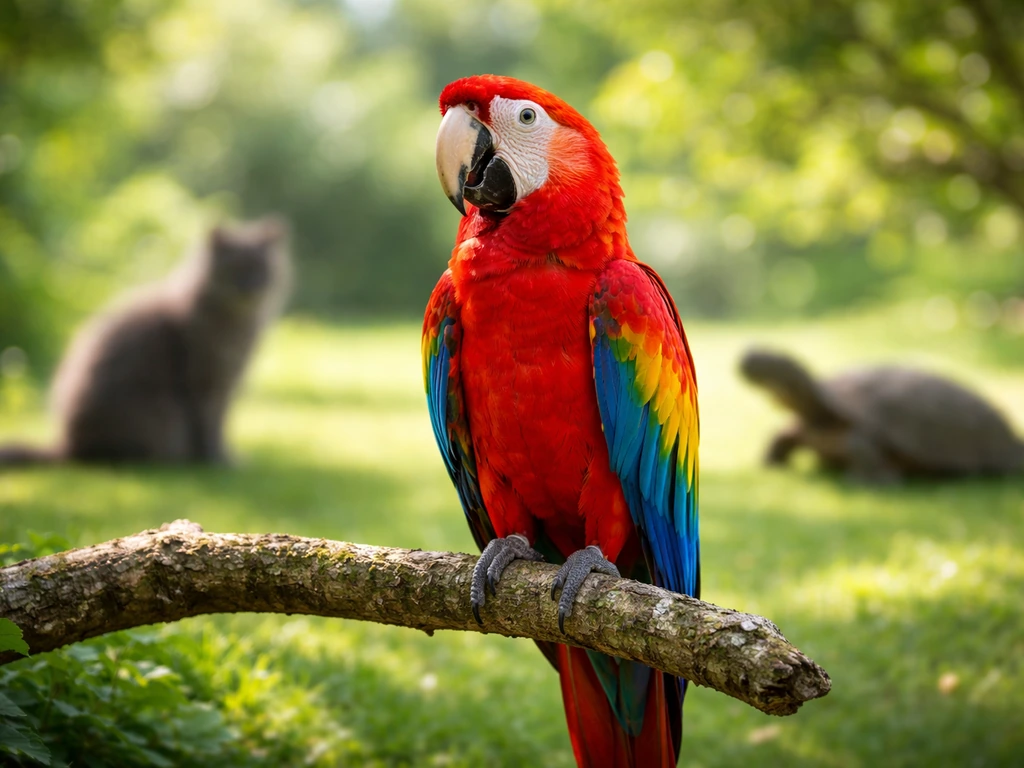
This is a question that comes up a lot, and it reflects a genuine confusion about how biological categories nest inside each other. A parrot is an animal and a bird at the same time, in the same way that a dog is an animal and a mammal. "Animal" is the broad kingdom, "bird" is the more specific class within it. If you want a thorough look at exactly how those layers work, the article is a parrot an animal or a bird goes into the nesting of those categories in more detail.
Where this distinction becomes practically useful is when someone is deciding how to care for a parrot. Thinking of a parrot simply as "an animal" gives you almost no useful guidance. Thinking of it specifically as a bird tells you immediately that it has avian physiology, avian nutritional needs, and avian behavioral patterns. Those are not interchangeable with mammal care, and that specificity matters a lot in practice.
Caring for a parrot as a bird, not a generic pet
Because parrots are birds, their care requirements follow from avian biology, not from what works for dogs, cats, or hamsters. The University of Florida recommends keeping pet birds at an ambient temperature between 70 and 80 degrees Fahrenheit, away from drafts. This is a direct consequence of their endothermic physiology. They regulate body temperature well under normal conditions, but cold drafts or rapid temperature changes can stress or sicken them in ways a reptile (which tolerates a wider thermal range) would not experience the same way.
UV light is another bird-specific requirement that surprises a lot of first-time parrot owners. Parrots need UVA and UVB exposure for vitamin D synthesis, a physiological requirement that differs from what most mammal owners think about when setting up a pet's environment. Without adequate UV exposure, vitamin D deficiency becomes a real health concern, and it is entirely preventable with the right lighting setup.
Nutrition is another area where bird biology diverges from mammal biology. The Merck Veterinary Manual and avian nutrition resources from Lafeber both point toward formulated pellet diets as a key component of feeding pet birds, rather than the seed-only diets that were common advice for decades. Avian digestive systems have specific requirements that a seed-heavy diet does not fully meet. This is not a minor detail. Getting nutrition right is one of the most important health decisions for a pet parrot.
The CDC specifically recommends finding a veterinarian with experience in pet birds, called an avian veterinarian, and scheduling routine check-ups. This is not the same as a standard small-animal vet. Avian vets understand bird physiology, which is different enough from mammal physiology that specialized knowledge genuinely matters. The Merck Veterinary Manual also notes that severely ill birds benefit from increased temperature and humidity management, which is a bird-specific supportive care approach that underlines how different avian husbandry is from caring for a cat or a rabbit.
At the regulatory level, the USDA APHIS treats pet birds as a distinct category from other pet animals, with specific health certification and quarantine requirements for imported birds. That separate legal treatment reinforces what the biology already tells you: parrots are birds first, and their classification has real-world consequences beyond taxonomy trivia.
Where people get confused: parrots vs other animal groups
The most common source of confusion seems to be parrots' intelligence and social behavior. People associate complex social behavior, mimicry, and problem-solving with mammals, especially primates. When a parrot demonstrates those traits, it can feel intuitively more "mammal-like." But behavior does not determine biological classification. Parrots have feathers, lay eggs, have hollow bones, and are classified within Aves. Their intelligence is a product of avian neuroscience, not a sign of mammalian biology.
Comparing parrots to reptiles is the other frequent point of confusion, mostly because people know birds evolved from dinosaurs and reptiles share that ancient lineage. Modern reptiles and modern birds both trace ancestry back to archosaurs, but birds are not reptiles in the way we use that word today. Birds have feathers, consistent endothermy, and hard-shelled amniotic eggs with specific characteristics that separate them from living reptiles. The evolutionary connection is real, but it does not make a parrot a lizard.
One question that comes up in bird classification discussions is whether certain animals that seem similar to birds actually qualify. For example, people sometimes wonder is par a bird, or they get curious about familiar seasonal birds like the partridge: is a partridge a bird walks through exactly that kind of classification check using the same biological criteria that confirm parrots as birds. The framework is consistent across species: feathers, hollow bones, warm blood, hard-shelled eggs, and membership in class Aves.
Another confusion worth clearing up involves close relatives. Lovebirds are a common example: many people are uncertain whether they are parrots, a separate bird type, or something else entirely. If you have wondered about that specifically, the article is a lovebird a parrot covers exactly where lovebirds land in the Psittaciformes family tree.
Parrots vs other animal groups at a glance
| Trait | Parrots (Birds) | Mammals | Reptiles |
|---|---|---|---|
| Body covering | Feathers | Fur or hair | Scales |
| Body temperature | Warm-blooded (endothermic) | Warm-blooded (endothermic) | Cold-blooded (ectothermic) |
| Reproduction | Hard-shelled eggs | Live birth (most) or soft eggs | Leathery or hard eggs (variable) |
| Bone structure | Hollow bones | Dense bones | Dense bones |
| Milk production | No | Yes | No |
| Taxonomic class | Aves | Mammalia | Reptilia |
| Example care implication | Avian vet, UV light, pellet diet | Standard vet, mammal-formulated food | Reptile vet, heat lamps, ectotherm diet |
Quick checklist to confirm something is a bird
If you ever need to confirm on the spot whether an animal qualifies as a bird, run through these five markers. An animal that checks all of them is a bird. An animal missing any of them is not.
- Feathers: Does it have feathers? This is the single most definitive bird trait. No other living animal has them.
- Beak: Does it have a beak or bill instead of teeth? All modern birds have beaks.
- Hard-shelled eggs: Does it reproduce by laying hard-shelled eggs? Bird eggs are distinct from the leathery eggs of most reptiles.
- Warm-blooded: Does it regulate its own body temperature internally? Birds are endothermic, unlike reptiles and amphibians.
- Hollow bones: Does it have a skeletal structure that includes hollow bones? This is a key avian adaptation tied to both flight and weight distribution.
- Class Aves membership: Can it be placed within the taxonomic class Aves by trained ornithologists or taxonomic databases like GBIF? This is the formal confirmation.
Parrots pass every single one of those checks without exception. Feathers: yes. Beak: yes, and a distinctive hooked one at that. Hard-shelled eggs: yes. Warm-blooded: yes. Hollow bones: yes. Class Aves: confirmed at order rank (Psittaciformes) by every major taxonomic authority. The classification is not a close call. A parrot is a bird, and the biology is thorough and consistent.
FAQ
If a parrot lays eggs, does that automatically mean it is a bird (or can reptiles lay eggs too)?
Egg-laying alone is not enough. Birds use hard-shelled, amniotic eggs as part of a specific bird package, paired with features like feathers, hollow bones, and endothermy (warm-blooded). Reptiles lay eggs too, but they do not have feathers, do not regulate body temperature the same way, and their egg structure differs.
Do all parrots have feathers and hollow bones, or are there exceptions within parrots?
Within parrots (the order Psittaciformes), feathers are universal, and the avian body plan includes hollow (pneumatized) bones. While individual species vary in size, coloration, and flight reliance, they still share the core bird skeleton and feather biology that define them as birds.
Are parrots warm-blooded exactly like mammals, or is “warm-blooded” a simplified label?
Birds are endothermic, meaning they generate and regulate internal heat. It is the functional equivalent of “warm-blooded,” but the physiology differs from mammals, including how birds manage respiration and circulation to support heat production. That is why bird husbandry temperatures and stress responses are not identical to mammal care.
What is the fastest way to tell if something is a bird (without knowing taxonomy)?
Use a checklist: feathers, hollow bones (or other clear bird skeletal traits), endothermy, and hard-shelled eggs. If you are doing a practical check on a live animal, the clearest non-invasive markers are feathers and warm, actively regulated body temperature. Taxonomic rank (like “order”) is not needed for a basic yes/no bird determination.
Do parrots need UV light even if they get plenty of sunshine through a window?
Often, window sunlight is not equivalent to full-spectrum exposure because many window panes block significant UVB. The result can be inadequate vitamin D synthesis even when the room is bright. A safer approach is to use bird-appropriate lighting that provides UVA and UVB for the species and schedule, with guidance from an avian veterinarian.
If pellets are better than seed-only diets, can I mix seeds with pellets, or should it be pellets only?
Many parrots can be transitioned to a pellet-centered diet, but the ideal balance depends on species, age, and health. The key caveat is to avoid “mostly seeds” as a default, since seed-heavy feeding can contribute to nutritional imbalances. Gradual transitions help, but persistent seed dominance can undermine the benefits of pellets.
Is a “regular” check-up with a small-animal vet enough for a parrot?
Not usually. Bird medicine is specialized, and dosing, diagnostics, anesthesia considerations, and disease presentation can differ from cats and dogs. An avian veterinarian also tends to be better at early detection of common bird problems like crop and respiratory issues, where timing matters.
Do classification rules ever change, or is “parrot is a bird” always fixed?
The statement stays fixed because it is based on defining traits, not personal opinion. However, the exact relationships inside the bird family tree (for example, which groups are closest relatives) can be refined as new genetic or fossil evidence appears. So taxonomy can be updated, while the core “parrot is a bird” conclusion remains stable.
Could a person argue a parrot is not a bird by using an unusual definition of “bird”?
They can redefine words, but biology uses standardized criteria. If someone’s “definition” contradicts the defining traits of birds (feathers, hollow bones, hard-shelled eggs, endothermy), it is not a scientific classification. In practice, you should treat bird identification as an evidence-based trait check, not a rewording debate.
Are lovebirds parrots, or are they a different category entirely?
Lovebirds are not parrots in the everyday sense of being pets from the same subset, but they are still part of the parrot order Psittaciformes. So they qualify as parrots by order classification, even though they are a distinct group within that broader category.
What about birds that are not parrots, like partridge, can they be birds too without confusion?
Yes. Partridge species are birds because they share the core bird traits, even though they are not in Psittaciformes. The practical way to think about it is: “bird” is the larger umbrella, and “parrot” is one branch within it.
Next Article
Is a Dragonfly a Bird? How to Tell the Difference
Dragonflies are insects, not birds. Learn key bird traits vs dragonfly anatomy to tell them apart fast.