Austroraptor is not a bird. It was a large, carnivorous dinosaur that lived in what is now Patagonia, Argentina, about 70 million years ago. Paleontologists classify it as a non-avian theropod, specifically an unenlagiine dromaeosaurid, which puts it in the same broader group as birds but firmly outside the actual bird lineage (Avialae/Aves). Think of it as a very close cousin, not a bird itself.
Is Austroraptor a Bird? Evidence, Traits, and Checklist

Marcus Hendricks
6 Jul 2026
What Austroraptor actually is
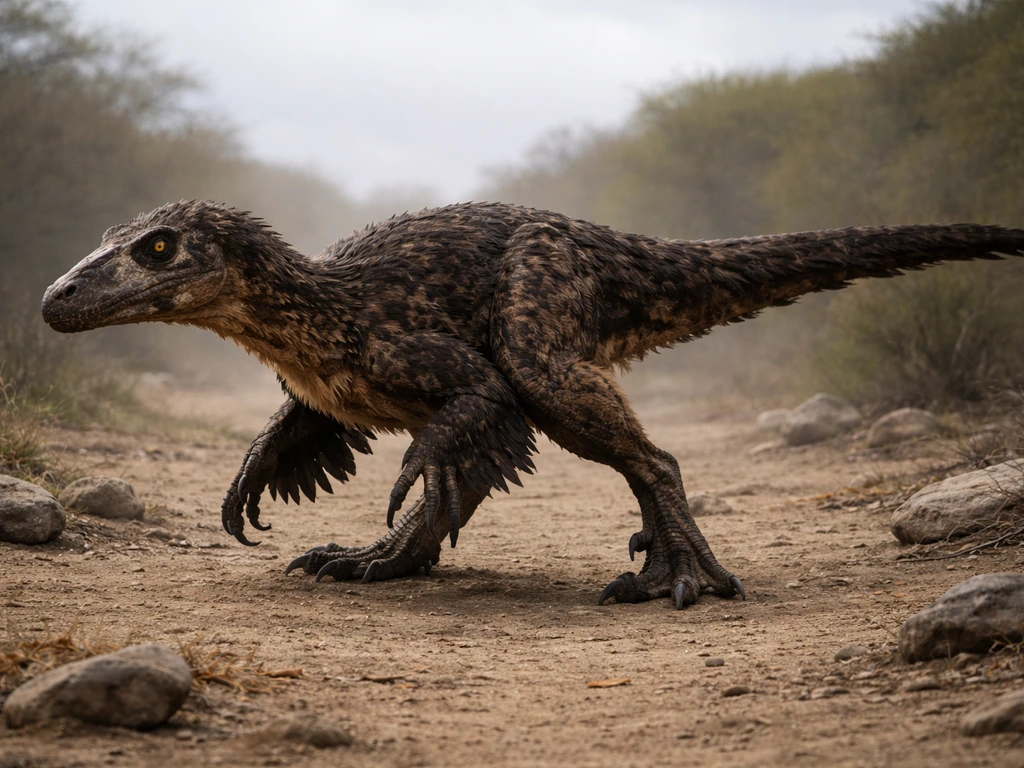
Austroraptor cabazai was formally described in a peer-reviewed paper published in the Proceedings of the Royal Society B. The genus name means 'southern thief' or 'southern robber,' combining the Latin 'austro' (south) with 'raptor' (one who seizes). It was a big animal by raptor standards, probably around 5 to 6 meters long, making it one of the largest dromaeosaurids known from the Southern Hemisphere. It had a notably elongated, low skull more similar to a crocodile's than the deep, rounded skulls you see in Velociraptor or Deinonychus.
Taxonomically, Austroraptor sits within Unenlagiinae, a subgroup of Dromaeosauridae. Unenlagiines are Gondwanan dromaeosaurids, meaning they evolved on the ancient southern supercontinent rather than in the northern landmasses where most famous raptors lived. Recent phylogenetic work, including the 2021 formal description of the closely related Ypupiara from Brazil, places Ypupiara as a sister taxon to Austroraptor, which further cements Austroraptor's membership within Unenlagiidae rather than within any bird group. Brum et al. (2021) recover Ypupiara as an unenlagiine and place it as sister to Austroraptor, supporting Austroraptor’s membership within Unenlagiinae rather than within any crown-bird lineage.
The anatomy: what makes Austroraptor a theropod, not a bird
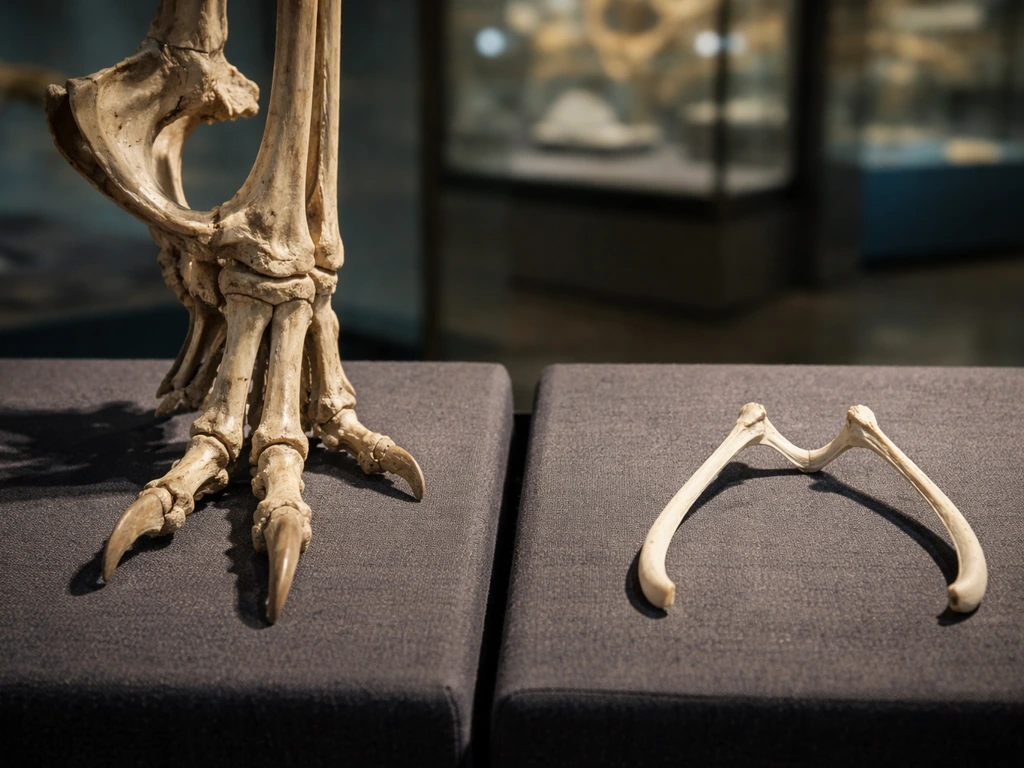
Austroraptor shares the classic theropod body plan: bipedal stance, hollow bones, three main weight-bearing toes, and a wishbone (furcula). Those traits are shared with birds, which is exactly why this question comes up. But when you dig into the details, the differences stack up fast.
The most diagnostic feature separating birds from non-avian theropods like Austroraptor involves the forelimbs and shoulder girdle. True birds have highly modified forelimbs that became wings, with fused hand bones (the carpometacarpus), a reversed hallux (the first toe pointing backward for perching), and a keeled sternum for flight muscle attachment. Austroraptor had short, relatively reduced forelimbs but retained a more primitive hand and shoulder structure. There is no evidence it had the suite of skeletal modifications associated with flight or the avian wing. Its forelimbs were not wings in any functional sense.
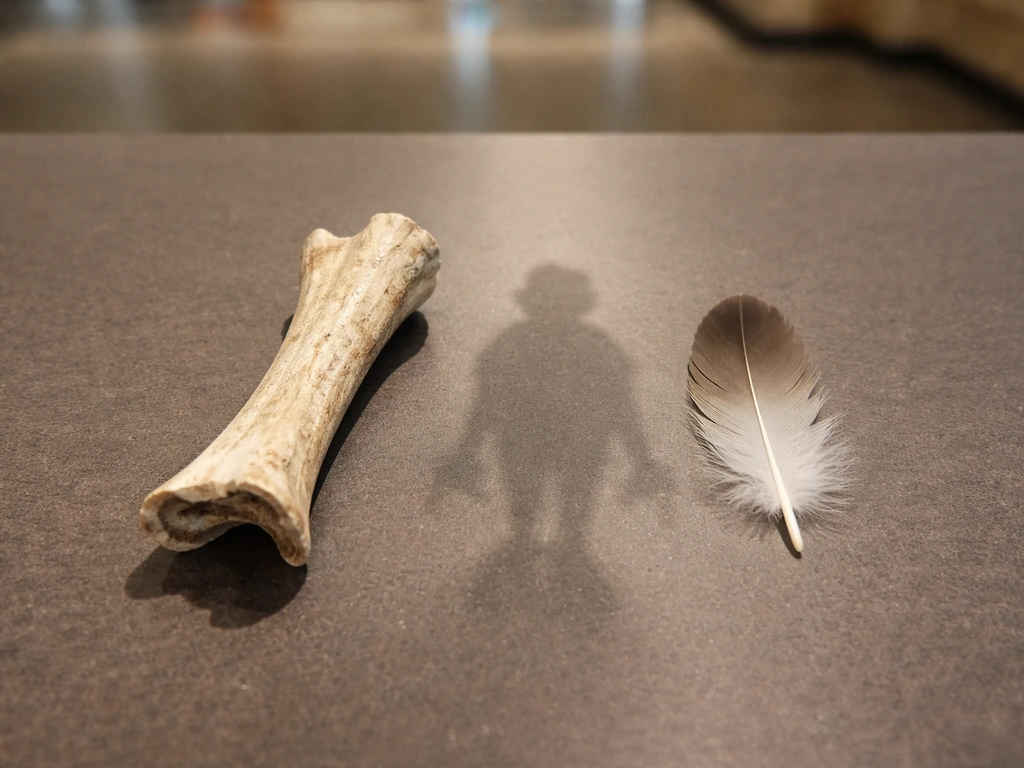
Feathers are another point of confusion. Many dromaeosaurids are now known to have had feathers, and Austroraptor may well have had some. But feathers alone do not make a bird. You may also wonder about Anchiornis, a famous early feathered dinosaur, and whether it counts as a bird is anchiornis a bird. Feathers evolved earlier in the dinosaur lineage and were present in many non-avian theropods. The presence of feathers is necessary but not sufficient for bird classification. What matters is the full package of avian traits, and Austroraptor does not have that package.
Birds are dinosaurs, so where exactly is the line?
Here is where it gets genuinely interesting. Birds are, by modern scientific consensus, living dinosaurs. Specifically, they are avian theropods that descended from a lineage within Paraves, the same large group that includes dromaeosaurids like Austroraptor. So Austroraptor and a modern crow share a common ancestor, and they are more closely related to each other than either is to, say, a crocodile.
The formal boundary is Avialae, the clade that includes modern birds and their closest extinct relatives on the bird side of the split. Archaeopteryx is often placed near the base of Avialae, and it is worth noting that the question of exactly where the bird-line begins has been a live debate in paleontology. Archaeopteryx is often discussed as the first bird-like animal, but whether it is truly the first bird depends on how you define the bird-line. Unenlagiines like Austroraptor have occasionally been discussed as potentially closer to the avian line than typical dromaeosaurids, but the current scientific consensus still treats them as non-avian theropods. In a review-style phylogenetic discussion of Gondwanan dromaeosaurids, unenlagiines (including Austroraptor) have been variably considered dromaeosaurians or stemward members of Avialae, but they are still treated as non-avian theropods (not crown birds) blank" rel="noopener noreferrer">Unenlagiines like Austroraptor have occasionally been discussed as potentially closer to the avian line than typical dromaeosaurids. They sit in Paraves alongside Avialae rather than within it.
Austroraptor vs. true birds: what it shares and what it lacks
| Trait | Austroraptor | True Birds (Aves) |
|---|---|---|
| Bipedal stance | Yes | Yes |
| Hollow, lightweight bones | Yes | Yes |
| Wishbone (furcula) | Yes | Yes |
| Feathers (likely) | Probable | Yes |
| Three-toed foot | Yes | Yes |
| Avian wing structure (fused hand bones, etc.) | No | Yes |
| Reversed hallux for perching | No | Yes (most species) |
| Keeled sternum for flight muscles | No | Yes (flying birds) |
| Classified within Avialae | No | Yes |
| Tail | Long, bony tail | Short pygostyle |
The shared traits reflect common ancestry. The differences reflect the specific evolutionary innovations that define the bird lineage. Austroraptor retained a long, stiff bony tail instead of the shortened pygostyle that anchors tail feathers in birds. It lacked the highly specialized forelimb anatomy that enables or once enabled flight. These are not minor details but the core anatomical markers paleontologists use to draw the line.
Why people keep thinking dinosaurs like Austroraptor are birds
A big part of the confusion is the word 'raptor.' In casual English, 'raptor' means a bird of prey like a hawk or eagle. In paleontology, it also gets used as shorthand for dromaeosaurid dinosaurs. Austroraptor has 'raptor' right in the name, which leads people to assume it is some kind of bird. It is not. The paleontological use of 'raptor' is informal and does not imply any bird classification.
There is also the broader cultural shift from the old 'dinosaurs are big slow lizards' image to the modern 'dinosaurs were feathered and birdlike' understanding. That update is scientifically accurate, but it sometimes overshoots in public perception, leading people to assume that birdlike-looking dinosaurs must actually be birds. Animals like Austroraptor do look birdlike in reconstructions: feathered, bipedal, agile. But looking like a bird and being classified as a bird are different things. To see whether it is the same kind of bird as a crow or other modern birds, it helps to check for the specific avian skeletal features that define flight-ready birds. The same kind of confusion comes up with Anchiornis and other feathered dinosaurs that sit right at the edge of the bird family tree.
The evolutionary closeness also feeds the confusion. Austroraptor really is closely related to birds, far more so than a T. rex or a Triceratops. That closeness makes the question feel genuinely uncertain, even when the scientific answer is fairly clear.
A practical checklist for deciding if something is a bird

Whether you are evaluating Austroraptor, Archaeopteryx, or some other prehistoric animal you just read about, here is a simple framework that mirrors how paleontologists actually approach the question.
- Is it placed within Avialae or Aves in peer-reviewed phylogenetic analyses? If the scientific literature consistently puts it outside those clades, it is not a bird, regardless of how birdlike it looks.
- Does it have avian forelimb anatomy? True birds (or their closest extinct relatives) show specific fusions and modifications in the hand and wrist bones that distinguish them from non-avian theropods.
- Does it have a pygostyle? The short, fused tail bone that replaced the long bony dinosaur tail is a strong marker of avian status.
- Does it have feathers? Feathers are necessary for a bird but not sufficient on their own. Many non-avian dinosaurs had feathers too.
- Does it have a reversed hallux? Most birds have a first toe pointing backward, which is tied to perching. Non-avian theropods generally do not.
- What does the scientific consensus say? When experts debate edge cases (like some unenlagiines), lean on the majority view in current peer-reviewed literature rather than informal sources.
- Be cautious with common names. Words like 'raptor,' 'swift,' or 'swift predator' in a dinosaur's name tell you nothing about bird classification. Always check the taxonomy.
Austroraptor fails the checklist at almost every avian criterion. It was a remarkable, probably feathered predator that lived very close to the bird branch of the family tree, but it was not a bird. The same logic applies to other animals people frequently debate: proximity to birds in the family tree does not equal bird status. If you want to dig deeper into where exactly the bird lineage begins, the question around Archaeopteryx is worth exploring, since it sits right at the base of that boundary in many analyses.
FAQ
What does “non-avian theropod” mean for Austroraptor, in plain terms?
It means Austroraptor is a dinosaur in the theropod group that is related to birds but did not belong to the specific evolutionary branch that produced birds. So it can share some “birdlike” traits, such as feathers and a similar overall body plan, without meeting the skeletal requirements that define birds.
If Austroraptor likely had feathers, why is it still not classified as a bird?
Because bird classification is based on a package of anatomical traits, not just the presence of feathers. For example, birds have distinctive forelimb and shoulder modifications tied to a bird-like wing structure, plus other flight-related skeletal specializations that Austroraptor lacked.
Could Austroraptor have been capable of flight in any form?
Current evidence does not support flight capability. Its forelimbs were not specialized into wings, and its tail and shoulder structure do not match the configuration associated with birds and bird-propelled flight. Feathered appearance alone does not imply wing-powered flight.
How is Austroraptor related to modern birds, without making it a bird itself?
It belongs to Paraves, the larger evolutionary grouping that includes both bird-line dinosaurs and non-avian dromaeosaurids. That makes Austroraptor close to birds in evolutionary terms, but “close” refers to shared ancestry, not membership in Avialae (the bird side of the split).
Why do people think “raptor” in the name means it is a bird?
In everyday English, “raptor” usually means a bird of prey. Paleontology uses “raptor” more broadly and informally as a shorthand for certain dinosaur groups, including dromaeosaurids. Austroraptor’s name reflects that dinosaur usage, not an avian one.
What specific body feature is most often used to separate birds from non-avian theropods like Austroraptor?
Forelimb and shoulder anatomy is a major divider. Birds have a highly modified wing skeleton and associated structures, such as the fused hand bones pattern (carpometacarpus) and other flight-ready skeletal traits. Austroraptor retained a more primitive hand and shoulder arrangement.
Could Austroraptor have had a shorter tail like birds if it had feathers?
Birds anchor tail feathers to a specialized shortened tail structure (the pygostyle). Austroraptor is described as retaining a longer, stiff bony tail instead, which matters because tail structure is part of the overall avian body plan, not just feather presence.
Is it possible that new discoveries could change whether Austroraptor is considered a bird?
In principle, classification can change with new fossil material, especially if forelimb, shoulder, or other key skeletal traits are found that clearly match bird-defining features. At present, the known anatomy places it within unenlagiine dromaeosaurids, outside Avialae.
How should I use the “bird checklist” when reading about edge cases near the bird line?
Treat it as a two-step check: first, confirm whether the animal has the full suite of bird-defining skeletal traits (especially wing and shoulder modifications). Second, use feathers only as supporting context, not as the deciding factor. Proximity to birds in the family tree is helpful for intuition, but it is not the classification rule.
Does “first bird” mean the first animal with feathers, or the first actual bird?
Those are different concepts. The “first bird” discussion is about where the bird lineage (Avialae) begins, which depends on the full set of bird-defining traits. An early feathered dinosaur can be very birdlike without being the first true bird lineage member.
Next Articles

Is Azir a bird? How to classify it and similar lookalikes
Azir is likely not a bird. Learn real criteria for bird classification and how to spot common lookalikes.

Was Archaeopteryx the First Bird? What Science Says
Science-backed answer to was Archaeopteryx the first bird, explaining definitions, traits, and why timing depends.
Is a Dragonfly a Bird? How to Tell the Difference
Dragonflies are insects, not birds. Learn key bird traits vs dragonfly anatomy to tell them apart fast.