Yes, a hen is absolutely a bird. There is no debate here. A hen is an adult female chicken, and chickens belong to Class Aves, which is the scientific class that contains every bird on the planet. So when you are talking about a hen, you are talking about a domesticated bird, full stop.
Is Hen a Bird? Yes, and What a Hen Really Means

Marcus Hendricks
22 Mar 2026
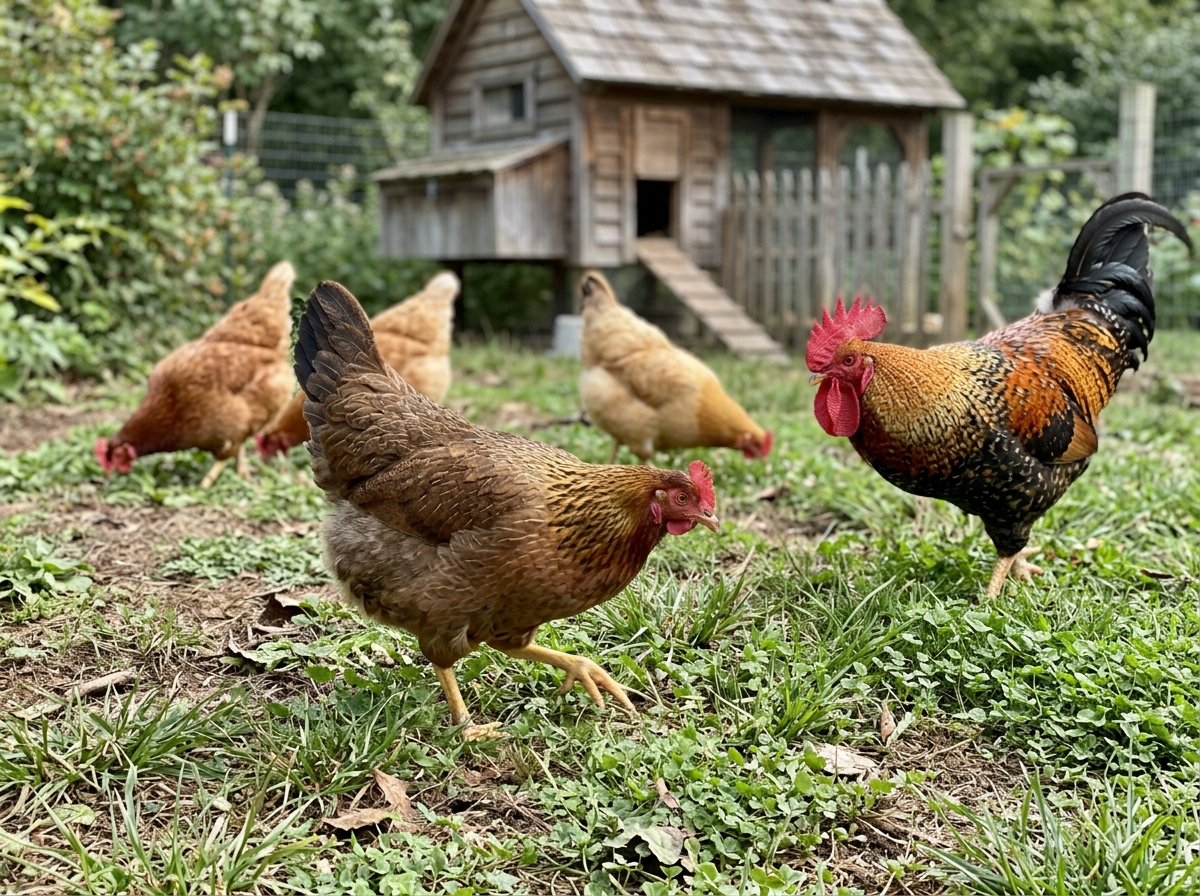
The direct answer: yes, a hen is a bird
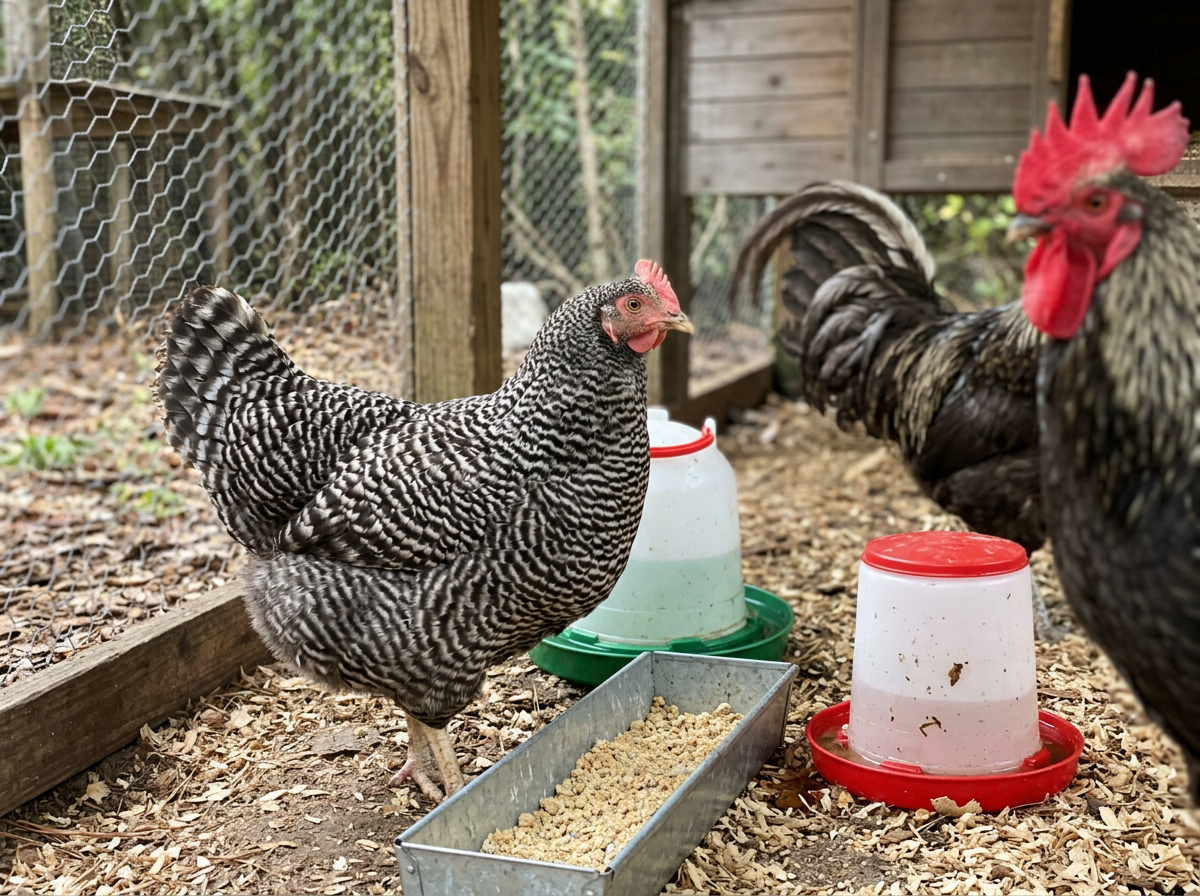
A hen is a bird in the same way a robin or a sparrow is a bird. The word "hen" does not describe a separate species or a separate animal category. It is a gender and maturity label applied to a chicken that is female and past her juvenile stage. The domestic chicken's scientific name is Gallus gallus domesticus, and it sits squarely within Class Aves, the taxonomic class that defines all birds. Every hen alive is both a bird and a chicken at the same time. One label tells you the class of animal, the other tells you its sex and age.
People sometimes second-guess this because "hen" sounds like its own thing, especially when you see it in phrases like "mud hen" or "marsh hen," which actually refer to completely different birds (more on that in a moment). But in everyday agricultural and culinary language, hen means one thing: an adult female chicken.
What exactly is a hen (species vs. gender)
Here is where a lot of the confusion starts. People sometimes treat "hen" like it names a species, the way "duck" or "turkey" names a species. It does not. "Hen" is a gender and age term, not a species name. The Britannica Dictionary defines it plainly as an adult female chicken. The USDA Agricultural Marketing Service goes further, specifying that a hen is "an adult female chicken, usually more than 10 months of age." U.S. federal law (7 USC) defines a "laying hen" as a domesticated female chicken twenty weeks of age or older.
So the species is chicken (Gallus gallus domesticus). The gender is female. The maturity level is adult. When all three of those things are true, you call her a hen. That is all the word is doing.
It is also worth knowing that "hen" can technically apply to the female of other bird species in broader usage. Britannica notes one of its definitions as "a female bird of any kind," and Wiktionary reflects that same breadth. You might hear someone refer to a female turkey as a hen, or a female pheasant as a hen. But in poultry farming, backyard chicken keeping, and everyday conversation, hen almost always means female chicken unless the context makes it clear otherwise.
How hens fit into bird classification
Chickens, and therefore hens, are classified within Class Aves, the scientific grouping that includes all birds. Research on the domestic chicken places it clearly in this class, alongside everything from robins to ostriches. What makes something a bird comes down to shared traits: feathers, a beak, wings, warm blood, and hatching from eggs. Hens have all of these. They have feathers covering their bodies, a beak, two wings (which they use more for balance and short-distance flapping than for flying), and they hatch from eggs. They are birds by every biological measure.
Poultry, as a category, refers to domesticated birds kept for meat or eggs. Chickens fall under this umbrella, and so do turkeys, ducks, and geese. They are all members of Class Aves. The fact that chickens are domesticated and raised on farms does not remove them from the bird category any more than a domesticated dog stops being a mammal.
One more thing worth flagging: the USDA classifies a "Cornish game hen" as an immature chicken younger than five weeks old, not a separate bird species at all. Similarly, a "mud hen" is a nickname for the American Coot, which is a marsh bird and has nothing to do with domestic chickens. You may also wonder, is cootie a bird, but terms like that can be confusing without the right context. These overlapping names can muddy the waters, but they do not change the core fact: when someone says "hen" in a poultry or farming context, they mean a female chicken that is a bird.
Hens vs. roosters vs. chicks: clearing up the confusion
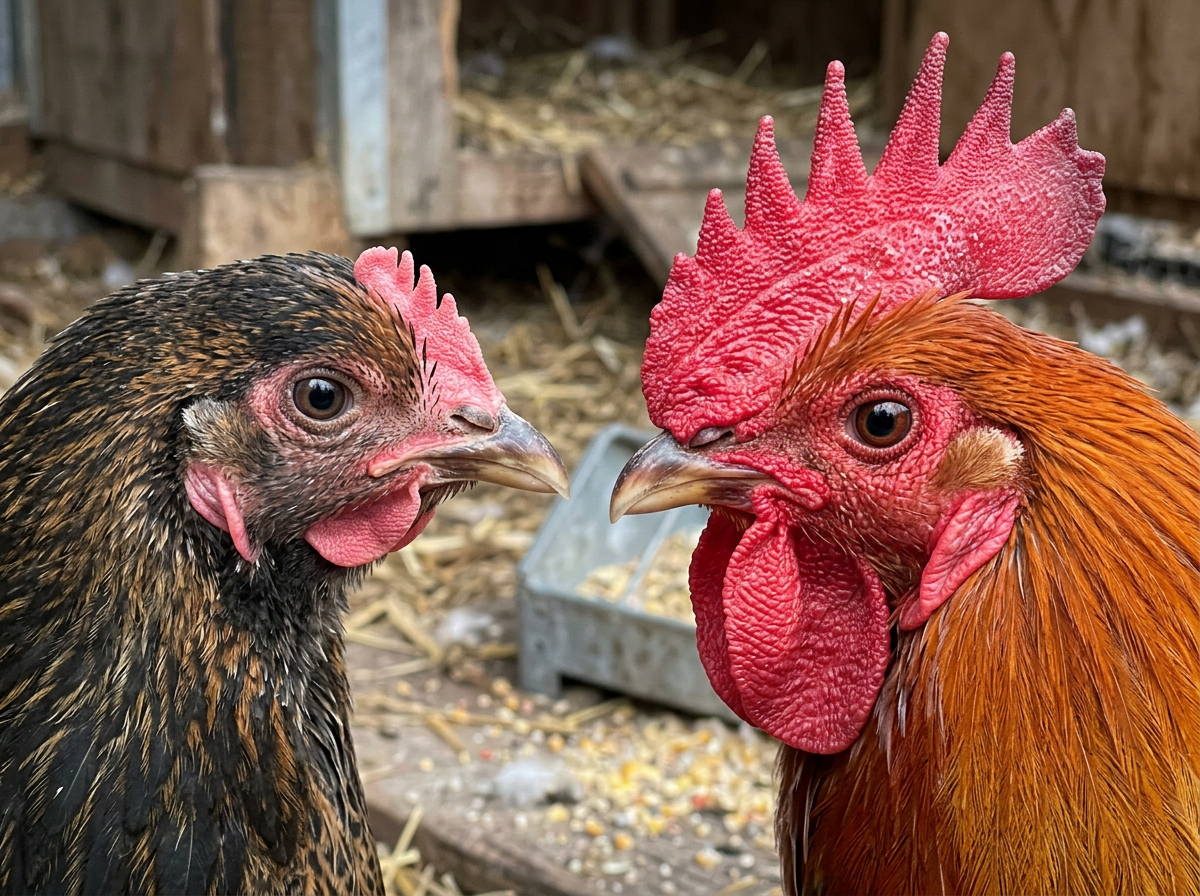
The chicken world has a whole vocabulary built around age and sex, and it trips people up constantly. Here is the straightforward breakdown. All of these are chickens, all are birds, and the only differences are sex and maturity stage.
| Term | Sex | Age / Stage | Notes |
|---|---|---|---|
| Chick | Either | Newly hatched, 1–7 days | Baby chicken of any sex |
| Pullet | Female | Under 12 months, not yet laying | Young hen in training, essentially |
| Hen | Female | Mature adult, typically 10+ months | USDA says usually more than 10 months; lays eggs |
| Cockerel | Male | Under 12 months | Young rooster |
| Rooster (or Cock) | Male | Adult male, over 12 months | The male counterpart to a hen |
Merriam-Webster defines a rooster as an adult male domestic chicken, and Cambridge Dictionary spells it out simply: a male chicken is called a rooster (or cock) and a female chicken is called a hen. This same logic applies to cocks too, since they are adult male chickens that are also birds (or cock). The USDA FSIS further breaks down labeling by age and sex for retail purposes, listing categories like "Broiler-fryer" (under 10 weeks), "Roaster" (8 to 12 weeks), and "Stewing/Baking Hen" (10 months to 1.5 years, mature laying hen). That last category is your classic hen, the same bird you picture when someone says "backyard hen" or "laying hen."
The takeaway here is that none of these terms describe a different species. A pullet growing into a hen is the same animal at a different life stage. A rooster and a hen are the same species, just different sexes. And yes, all of them are birds, because they are all chickens, and chickens are birds.
How to identify a hen in real life
If you are standing in front of a flock and want to know which birds are hens, a few physical and behavioral cues make it pretty straightforward. You do not need a degree in ornithology for this.
Physical traits to look for
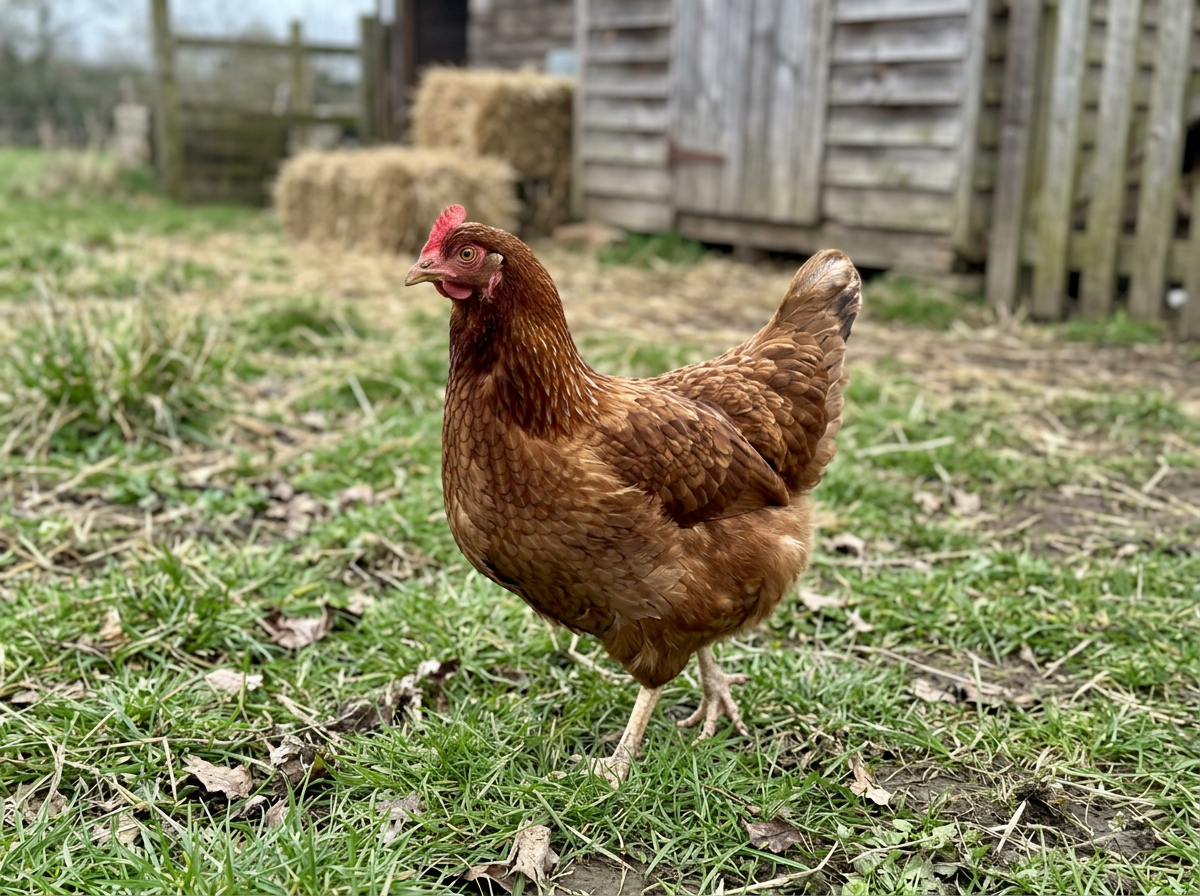
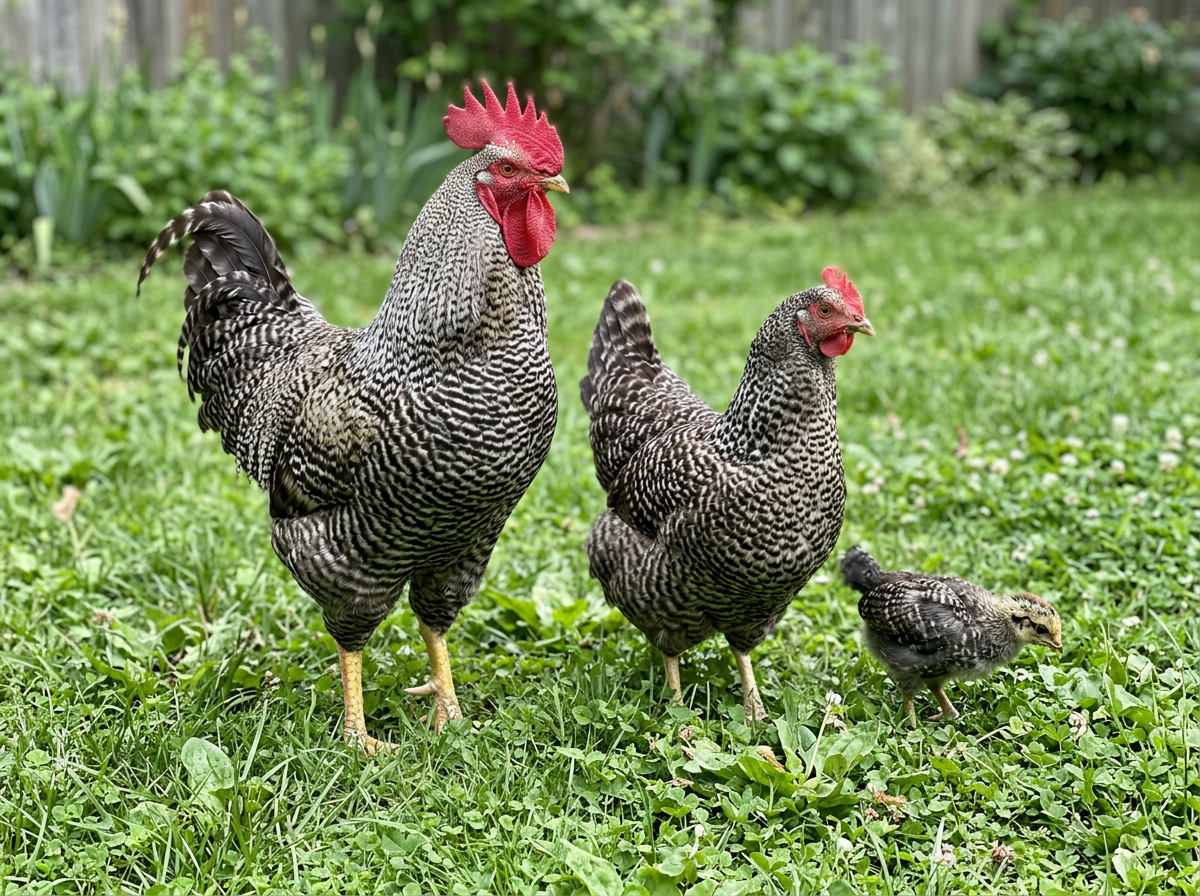
- Comb and wattles: Roosters tend to have larger, more prominent combs and wattles. Hens have them too, but they are usually smaller and less flashy. Research on domestic chicken anatomy notes that these features are significantly more developed in males.
- Tail feathers: Roosters often sport long, curved, showy tail feathers (called sickle feathers). Hens have shorter, rounder tails.
- Body size: In most breeds, roosters are noticeably larger than hens of the same breed.
- Plumage: Rooster feathers around the neck and saddle (back area) tend to be pointed and iridescent. Hen feathers in those areas are rounder and more uniform.
- Spurs: Roosters typically develop spurs on the back of their legs. Hens usually do not, though rare exceptions exist.
Behavioral cues
- Crowing: Only roosters crow. If a bird is crowing at dawn (or any other time it feels like it), that bird is not a hen.
- Egg laying: If you see a bird laying eggs or spending time in a nesting box, that is a hen. Roosters do not lay eggs.
- Nesting behavior: Hens will squat, sit in nest boxes, and show brooding behavior. Roosters strut and guard.
- Submissive squat: A mature hen will often squat low when approached by a person or rooster. This is a maturity sign that pullets develop as they approach laying age.
Age-based terminology in practice
Remember that a female chicken is not called a hen until she is mature. Before that, she is a chick (when very young) and then a pullet (once she is past the chick stage but before she starts laying, generally under 12 months). According to Purdue Extension's poultry term guide, a pullet becomes a hen once she reaches laying age and full maturity. In practice, most backyard chicken keepers start calling their pullets hens once they lay their first egg, which typically happens around 18 to 20 weeks of age depending on the breed.
If you are buying chickens and the seller says "laying hens," they mean mature females who are already producing eggs. If they say "pullets," those are young females who will be laying soon but may not be yet. And if you are buying a "Cornish game hen" at the grocery store, you are actually buying a very young immature chicken (under five weeks old per USDA labeling), not a mature hen at all. The name is a product label, not a strict biological descriptor.
The bottom line
A hen is a bird. Specifically, she is an adult female chicken (Gallus gallus domesticus), a member of Class Aves, the same scientific class that includes every other bird from robins to eagles. The word "hen" tells you her sex and maturity, not her species. Her species is chicken, and chickens are birds. If you are trying to identify a hen in a flock, look for smaller combs, shorter tail feathers, nesting behavior, and egg-laying. If the bird is crowing, it is a rooster, and roosters are birds too (just not hens). If you want to go deeper on related terms, questions about roosters and cocks as birds follow the exact same logic and are worth a look for full context on poultry gender terminology.
FAQ
Can a “hen” be a chick or juvenile chicken?
In strict poultry terminology, no. A hen is a mature female, before maturity she is a pullet (and when very young, a chick). In casual backyard speech people sometimes say “my hen” before first eggs, but biologically it is still pullet until she reaches laying age.
If hens lay eggs, are all hens laying hens?
Not always. A chicken can be a hen by age and sex, but whether she is laying depends on factors like season, daylight hours, health, and breed. Some retired hens stop laying for months even though they remain female adult chickens.
What is the difference between a hen and a pullet if they look similar?
The clearest practical difference is timing of first lay. Pullet refers to a young female not yet producing eggs, hen refers to the mature stage when she reaches laying age. Visual cues like comb size can help, but behavior (nests and egg-laying) is more reliable.
Are wild female birds ever called “hens”?
Yes, in broader or older usage “hen” can mean female of any bird species, so you might hear “hen turkey” or “hen pheasant.” In farming and backyard chicken contexts, though, “hen” almost always means adult female chicken unless the species name is included.
Is a “Cornish game hen” actually a hen?
No. It is a product label for a very young chicken, typically under five weeks old, so it is an immature chicken, not an adult female hen.
Is a “mud hen” a chicken?
No. “Mud hen” is commonly a nickname for the American coot, a different marsh bird. The name sounds similar but it is unrelated to domestic chickens and does not make it a hen in the poultry sense.
How can I tell whether a female chicken is a hen or just a pullet in my flock?
The strongest check is whether she has started laying (or is repeatedly showing nesting behavior and squatting). As a secondary clue, look at comb development and overall body maturity, but those vary by breed and season, so use behavior plus age estimates.
When buying meat, do store labels like “stewing/baking hen” mean the same thing as backyard hens?
They usually indicate an older, mature female chicken chosen for cooking characteristics (tenderness and flavor), not a different species. If you want a strict match to “hen,” confirm the age range or the product’s “mature laying hen” wording.
Can the same chicken be both a hen and something else like “laying hen” or “stewing hen”?
Yes. “Hen” describes adult female chicken, while terms like “laying hen” add a current function (egg production) and “stewing/baking hen” add an age/cooking label. One bird can fit multiple labels depending on what the product or keeper is emphasizing.
Do hens have to be female to be called a hen?
By standard usage in poultry and agriculture, yes. “Hen” is a sex label for females. If you ever see a “hen” used for a bird that is crowing, that is either slang, a mistake, or the bird is actually a rooster or another type of bird with misleading local names.
Next Articles
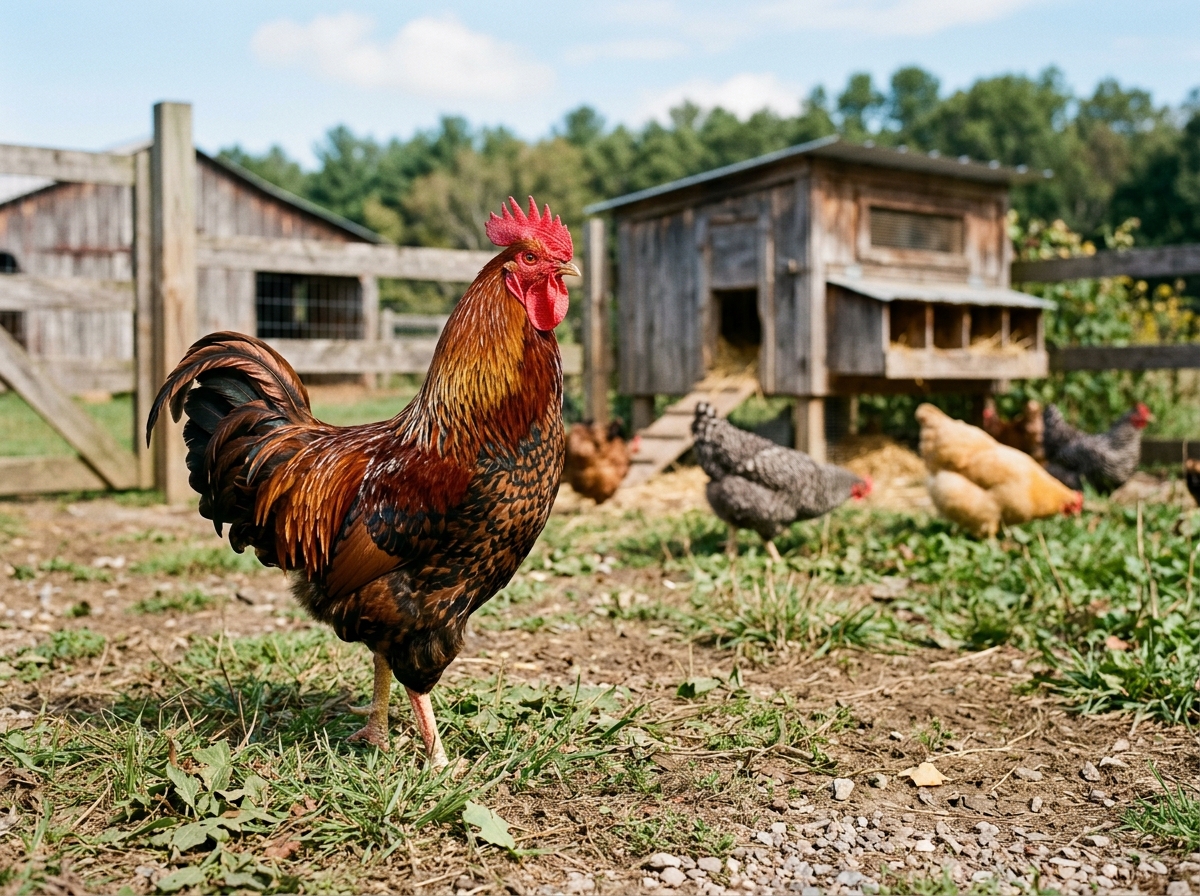
Is Rooster a Bird? Quick Answer and Simple Definition
Yes, a rooster is a bird. Learn what birds are, what roosters mean, and how rooster differs from chicken and fowl.
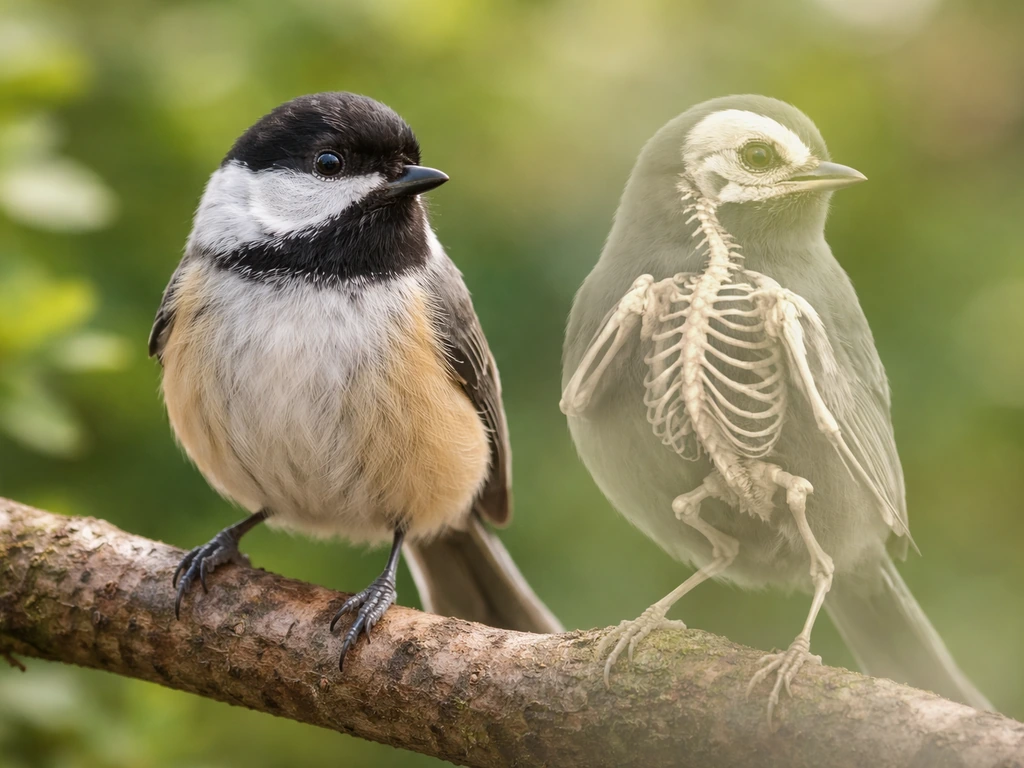
Is a Bird a Vertebrate? Clear Classification Answer
Yes. Birds are vertebrates with backbone and internal endoskeleton, not invertebrates; simple traits to classify animals
Bird That Is a Mammal: Why None Exist and How to Tell
No bird is a mammal. Learn key bird vs mammal traits and how to verify lookalikes and misinformation fast.