
Yes, ravens are protected birds in the United States. The Common Raven (Corvus corax) is listed under the Migratory Bird Treaty Act (MBTA), which means it is illegal to pursue, hunt, take, capture, kill, or sell ravens, their feathers, their nests with eggs, or their eggs without federal authorization. Most other countries have equivalent protections in place. Where you live determines the exact rules, but the baseline answer almost everywhere is: you cannot legally harm or remove a raven without a permit.
Are Ravens a Protected Bird? Laws and What to Do Now

Marcus Hendricks
29 Apr 2026
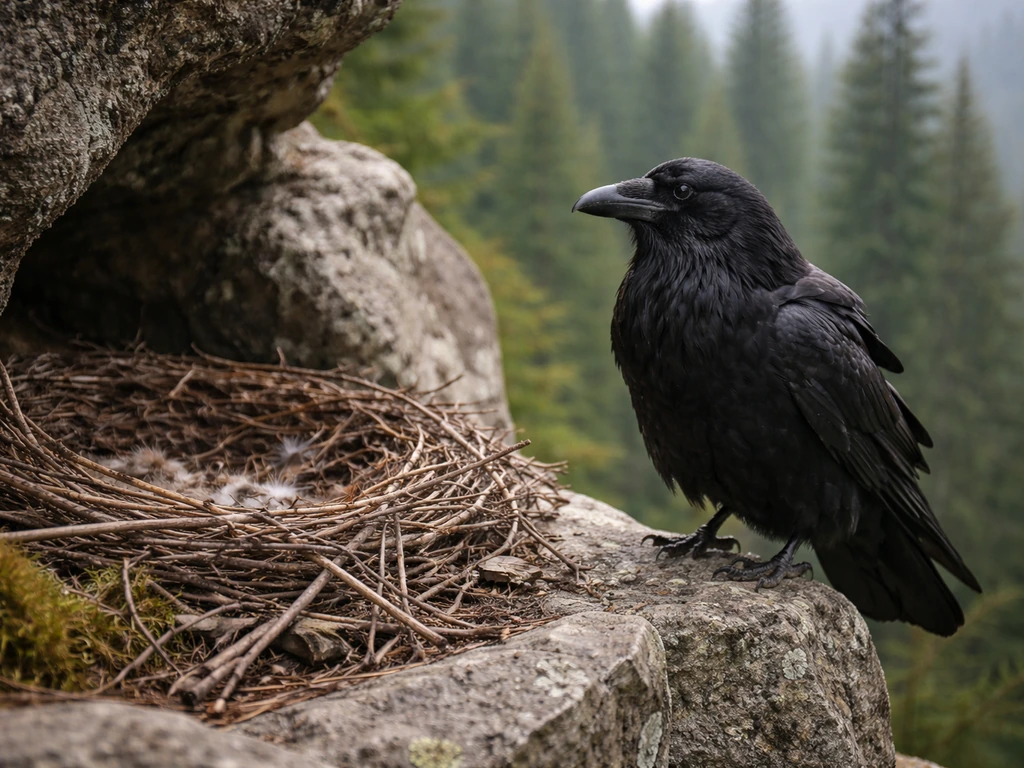
What "protected" actually means in practice
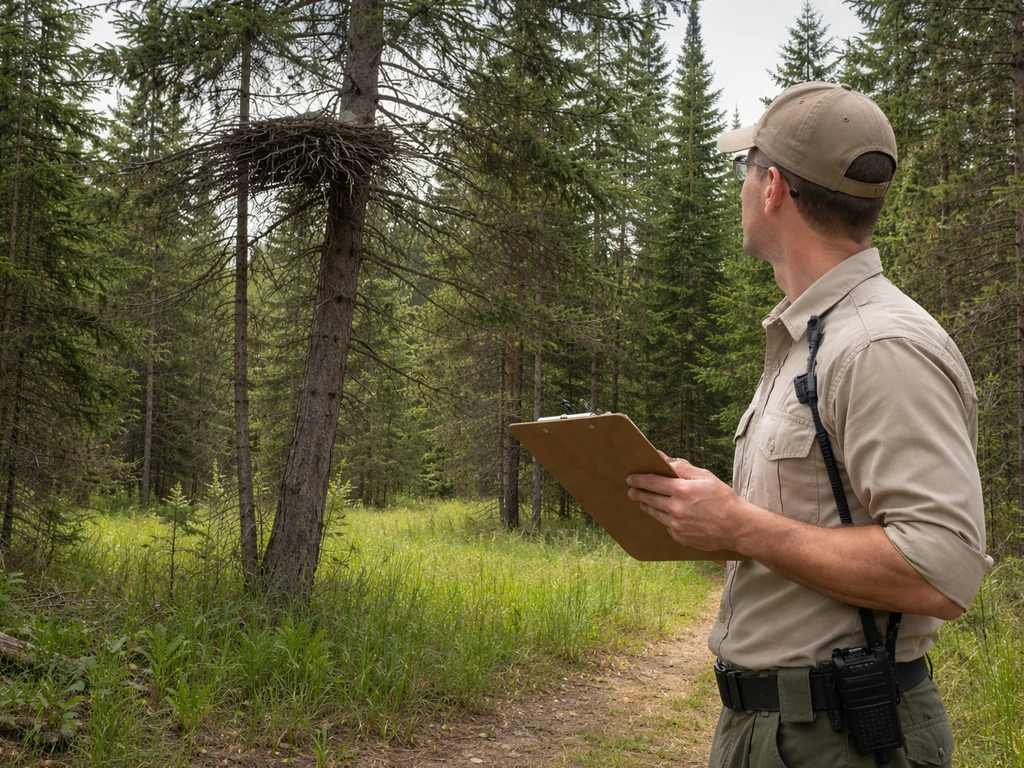
When people say a bird is "protected," they usually mean there is a law making it illegal to harm, kill, capture, or disturb that bird or its active nest without official authorization. In the U.S., the main law is the Migratory Bird Treaty Act (MBTA), codified at 16 U.S.C. § 703. It covers the bird itself, its eggs, its feathers, and its active nests. The list of covered species lives at 50 CFR § 10.13, and the Common Raven is on it. Violations can result in federal fines and criminal charges.
Outside the U.S., protection looks similar but comes from different laws. In Canada, ravens are protected under the Migratory Birds Convention Act. In the UK, they are covered by the Wildlife and Countryside Act 1981. In the European Union, the Birds Directive provides blanket protection for all wild bird species, which includes ravens. Australia has state-level legislation protecting native corvids. The practical effect is the same everywhere: you cannot legally kill, trap, or disturb a raven without going through a permit or exemption process.
It is worth noting that the MBTA does not make it illegal to destroy an empty bird nest. The U.S. Fish and Wildlife Service (USFWS) is clear on this: the MBTA prohibits destroying a nest that contains eggs or chicks, or where young birds are still dependent on it for survival. An empty, inactive nest is a different story, and removing one does not break federal law. However, timing matters, because a nest can go from empty to active quickly during breeding season.
Which raven are we actually talking about?
When most people in North America or Europe ask about "a raven," they mean the Common Raven (Corvus corax). It is the largest member of the corvid family and one of the most widely distributed birds on Earth, found across the Northern Hemisphere from Alaska to North Africa. This is the species protected under the MBTA in the U.S. and under equivalent laws elsewhere.
There are other raven species worth knowing about if you are outside North America or Europe. The Chihuahuan Raven (Corvus cryptoleucus) is found in the southwestern U.S. and Mexico and is also protected under the MBTA. In Australia, there are several species commonly called ravens, including the Australian Raven (Corvus coronoides), the Little Raven (Corvus mellori), and the Forest Raven (Corvus tasmanicus). These are protected under state wildlife laws, not the MBTA, which is a U.S./international treaty framework. If you are in Australia, check your specific state's National Parks and Wildlife Act or equivalent legislation.
| Species | Range | Key Protection |
|---|---|---|
| Common Raven (Corvus corax) | North America, Europe, Asia, North Africa | MBTA (U.S.), Migratory Birds Convention Act (Canada), Wildlife & Countryside Act (UK), Birds Directive (EU) |
| Chihuahuan Raven (Corvus cryptoleucus) | Southwest U.S., Mexico | MBTA (U.S.) |
| Australian Raven (Corvus coronoides) | Eastern/Southern Australia | State wildlife laws (Australia) |
| Little Raven (Corvus mellori) | Southeast Australia | State wildlife laws (Australia) |
| Forest Raven (Corvus tasmanicus) | Tasmania, Victoria | State wildlife laws (Australia) |
What to do right now if you have a raven situation
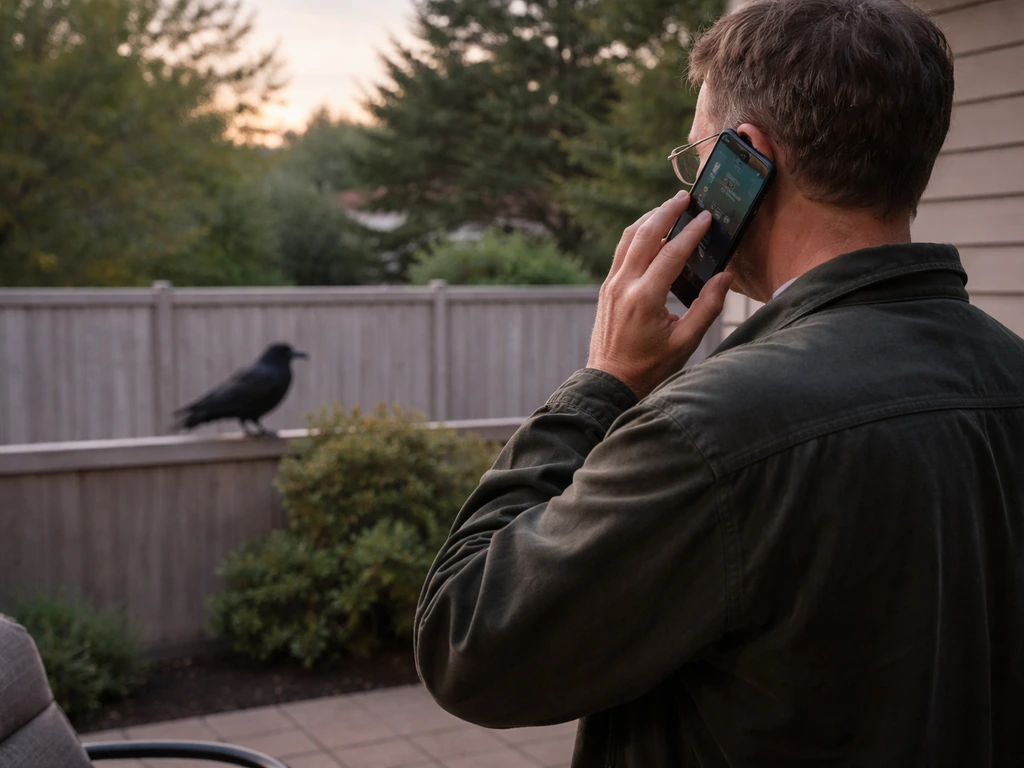
Whatever your specific situation is, the safest first move is to contact your local wildlife agency before doing anything that could disturb the bird, its nest, or its eggs. Here is how to do that quickly depending on where you are.
In the United States
- Go to the USFWS website (fws.gov) and use the regional contact finder to reach your nearest USFWS field office.
- Contact your state wildlife agency. Each state has one (e.g., California Department of Fish and Wildlife, Texas Parks and Wildlife). They often handle day-to-day raven conflicts and can tell you what is permitted in your state.
- If a raven is injured, call a licensed wildlife rehabilitator. The USFWS National Wildlife Rehabilitator directory or your state agency can point you to one. Do not attempt to care for the bird yourself without a permit, as possession of a protected migratory bird without authorization is illegal.
- If the issue involves property damage or a nest conflict, ask the wildlife agency about Depredation Orders or Special Use Permits. These are the legal routes for situations where removing or deterring a raven is genuinely necessary.
Outside the United States
- Canada: Contact Environment and Climate Change Canada or your provincial wildlife ministry.
- UK: Contact the Royal Society for the Protection of Birds (RSPB) or Natural England for guidance on licenses.
- EU: Your national environmental ministry handles Birds Directive permits.
- Australia: Contact your state's National Parks and Wildlife Service or Department of Environment.
Can you legally harm or keep a raven?
The short version: almost certainly not without a permit. Under the MBTA in the U.S., it is unlawful to pursue, hunt, take, capture, or kill a raven. Keeping one as a pet is also illegal without specific federal and state authorization. The same rules apply to feathers. Even picking up a raven feather you found on the ground and keeping it is technically a violation of the MBTA, though enforcement of that specific situation is rare. Still, it is worth knowing.
There are exceptions and permits available in certain situations. Falconers, wildlife rehabilitators, scientific researchers, and educational facilities can obtain permits to possess ravens lawfully. Depredation permits can be issued when ravens are causing documented agricultural or property damage, but these are not automatic and require an application process with a wildlife agency. The Bald and Golden Eagle Protection Act (BGEPA) is a separate regulatory framework focused specifically on bald and golden eagles, not ravens, so that law does not factor into raven situations.
Hazing, which means using non-lethal methods to scare ravens away from an area, is generally permissible as long as it does not injure or capture the birds. Things like loud noises, reflective tape, and motion-activated sprinklers are typically fine. What crosses the line is anything that physically harms the bird or prevents it from leaving of its own accord.
Handling specific raven situations
Nest on your property
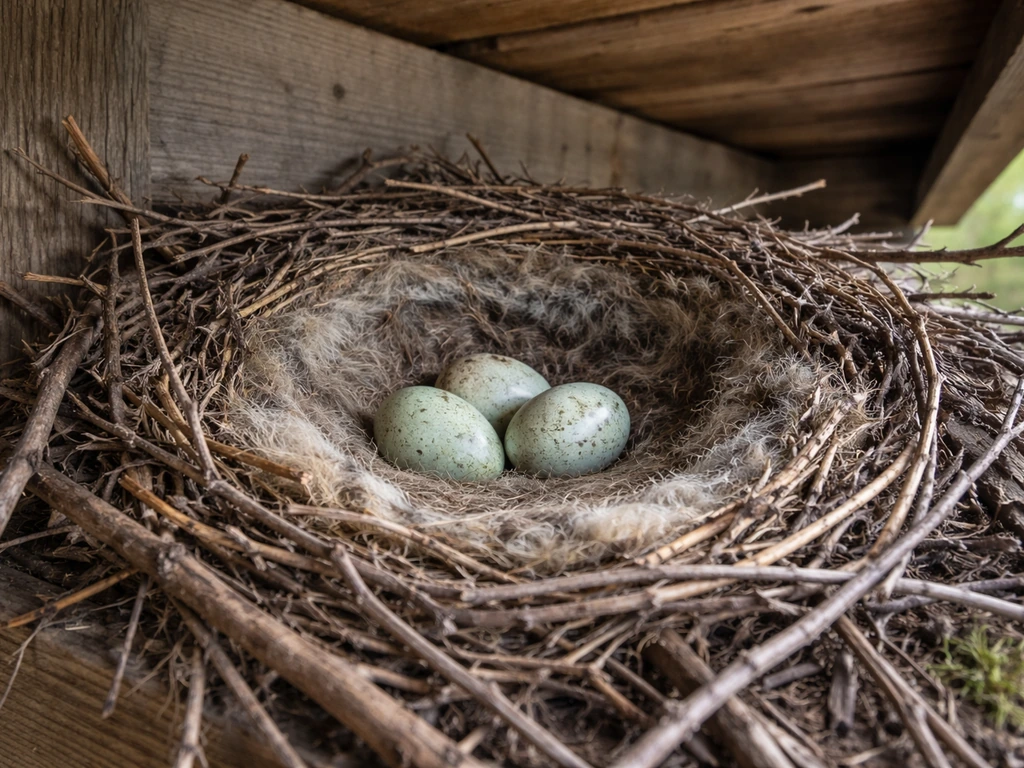
If a raven has built a nest on your property and it contains eggs or chicks, you cannot legally remove it in the U.S. under the MBTA. Your best option is to wait until the nest is no longer active (eggs have hatched, chicks have fledged, and the birds have moved on) and then remove the empty nest if needed. After removal, you can add deterrents to make the spot less attractive for next season. If the nest location poses a genuine safety issue, contact your state wildlife agency about an emergency permit.
Eggs
Raven eggs are protected under the MBTA the same way the adult bird is. Do not move, collect, or disturb them. If eggs have been abandoned (the parents have not returned for an extended period, typically 24 to 48 hours), contact a wildlife rehabilitator before touching anything. They can advise whether intervention is appropriate and handle it legally.
Injured raven
If you find an injured raven, do not try to care for it yourself unless you are a licensed rehabilitator. You can legally pick up an injured bird temporarily to transport it to a wildlife rehabilitator or veterinarian, but prolonged possession without a permit is not allowed. Keep the bird in a dark, quiet box during transport and avoid handling it more than necessary. Find a licensed rehabilitator through your state wildlife agency or through the National Wildlife Rehabilitators Association.
Ravens causing property damage
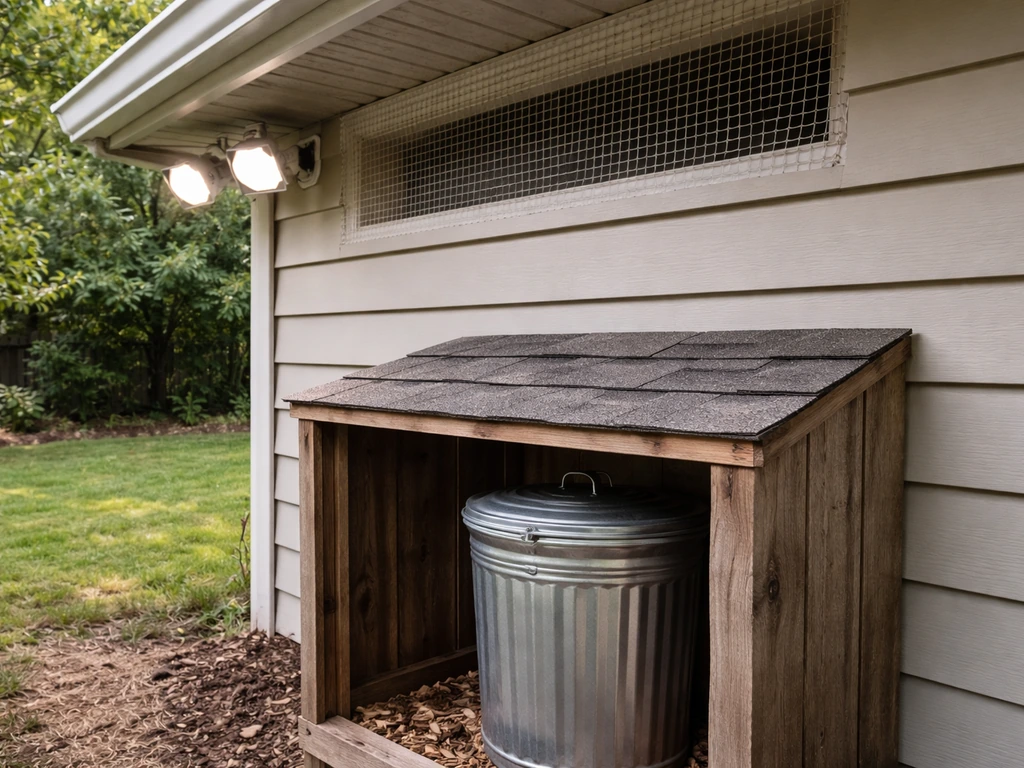
Ravens are intelligent and can cause real damage, from tearing up roof materials to raiding livestock feed. Non-lethal deterrents are your first and legally safest option. These include covering food and waste sources, using reflective or visual deterrents, and modifying the environment to make it less attractive.
If non-lethal measures are not working and the damage is significant and documented, you can apply to the USFWS or your state agency for a depredation permit, which can authorize lethal control in specific circumstances. USFWS provides a Federal Migratory Bird Depredation Permit application form for obtaining a federal permit to take migratory birds to reduce depredation [apply to the USFWS or your state agency for a depredation permit](https://www. fws. gov/sites/default/files/documents/2024-09/3-200-13-application-depredation-of-migratory-birds.
pdf). Going straight to lethal removal without a permit is not a legal option.
Why ravens are birds and why that classification matters here
Ravens are birds, full stop, and not in any gray area. Taxonomically, they belong to Class Aves, Order Passeriformes, Family Corvidae, Genus Corvus. They have all the defining features of birds: feathers, a beak, warm-blooded physiology, hollow bones, and they reproduce by laying hard-shelled eggs. This classification is what brings them under wildlife protection laws specifically written to cover birds.
This matters practically because the laws protecting ravens, chiefly the MBTA in the U.S., apply specifically to birds. The MBTA was written to protect migratory birds and their nests and eggs. Because ravens are classified as birds under the law (and specifically are listed at 50 CFR § 10.13), they fall squarely within that protection. If ravens were somehow reclassified as something other than birds (they will not be, but hypothetically), those specific legal protections would not automatically apply. The biology drives the legal category.
People sometimes lump ravens in with crows or wonder if the two are the same thing. They are not the same species, though they are close relatives in the same genus. Both are true corvids and both are protected under the MBTA in the U. S.
The protection question for crows is essentially the same as for ravens. The protection question for crows is essentially the same as for ravens, so if you are wondering are crows a protected bird, the answer is typically yes under similar wildlife protection rules. The answer to whether a raven is a crow is no, they are different corvid species the protection question for crows.
Crow protection is essentially the same as for ravens under the same bird-protection framework the protection question for crows. Crows are also widely considered scavenger birds, but they are protected under the same overall framework as ravens. The protection question for a crow is essentially the same as for ravens under the same bird-protection framework. The distinction matters more for identification than for legal status, since both are covered.
Ravens are noticeably larger than crows, with wedge-shaped tails and deeper, throaty calls compared to the flat tail and classic "caw" of American Crows.
The bottom line

Ravens are federally protected birds in the U. S. under the MBTA, and equivalent protections exist in Canada, the UK, the EU, and Australia. You cannot legally kill, harm, capture, or disturb them, their active nests, or their eggs without a permit.
If you find an injured raven, call a wildlife rehabilitator. If a nest is on your property, wait it out unless there is a genuine safety emergency that warrants contacting your wildlife agency for guidance. If ravens are causing property damage, try non-lethal deterrents first, and only pursue a depredation permit if that fails and the damage is documented. When in doubt, call your state or local wildlife agency before doing anything.
That one step protects you legally and ensures the bird gets appropriate care.
FAQ
If I find a raven and need to move it for safety, is that legal?
In the U.S., federal law under the MBTA generally prohibits killing or possessing ravens without the right authorization, but states and local ordinances can add additional rules. If you are trying to handle a raven as a private citizen (even temporarily), your safest step is to call your state wildlife agency and ask whether a specific emergency exception applies and what the legal end point is for release or transfer.
What about a single raven feather I found on the ground, can I keep it?
Yes, a feather can be covered. Even though enforcement for a single found feather is uncommon, keeping or transporting feathers without authorization can still be a technical MBTA violation because feathers are specifically included as covered parts.
How do I know whether a raven nest is truly inactive before removing it?
“Empty” is the key, but timing is strict. A nest can contain hidden eggs or be considered active if chicks are dependent, so if there is any chance eggs were recently laid or young are nearby, wait and confirm status with your wildlife agency before removal.
Can I use deterrents or exclusion methods while ravens are actively nesting on my property?
If a raven is nesting on your property, you usually cannot remove the nest during the active period, but you can often reduce future nesting without touching the current nest (for example, after fledging, remove nesting materials, make surfaces less usable, and secure attractants). For ongoing hazards, ask about an emergency safety permit or guidance on exclusion measures that do not disturb the birds.
What proof do I need to apply for a depredation permit because ravens are damaging my property?
For depredation control, agencies typically require documentation (dates, what was damaged, affected property type, and attempts at non-lethal solutions) before authorizing lethal or other more disruptive actions. “My guess is they’re causing it” usually is not enough, so keep records and photos and ask what evidence your agency requires.
If I get permission, can I use any trapping or poison method to remove ravens?
No. Using poison or traps that injure or capture ravens can cross into prohibited conduct under the same protected status framework. If lethal control is approved, it will come with specific, legally approved methods and conditions you must follow exactly.
I found an injured raven, can I keep it temporarily and take care of it myself?
If a raven is hit by a car or appears stunned, you can generally transport it to a licensed wildlife rehabilitator, but prolonged keeping, feeding, or treating it yourself can create a possession problem if you are not properly authorized. Keep handling minimal, use a dark quiet box, and call the rehabilitator for instructions right away.
I live outside the U.S., does the same protection apply everywhere and for every “raven” type?
If you are outside the U.S., the protected status can still apply, but the exact rules differ by country and sometimes by region within a country (especially in places like Australia). Before acting, confirm whether “raven” in your area refers to a specific species and which authority enforces the bird-protection law where you live.
Can I legally sell or transfer a raven taxidermy item, feathers, or related crafts?
Donating or selling anything made from ravens can be treated like possessing the protected bird part. Even if the item is a mount or craft, ask the receiving authority or your state wildlife agency whether it is lawful to transfer and what documentation is required.