Quick bottom-line: are crows protected?
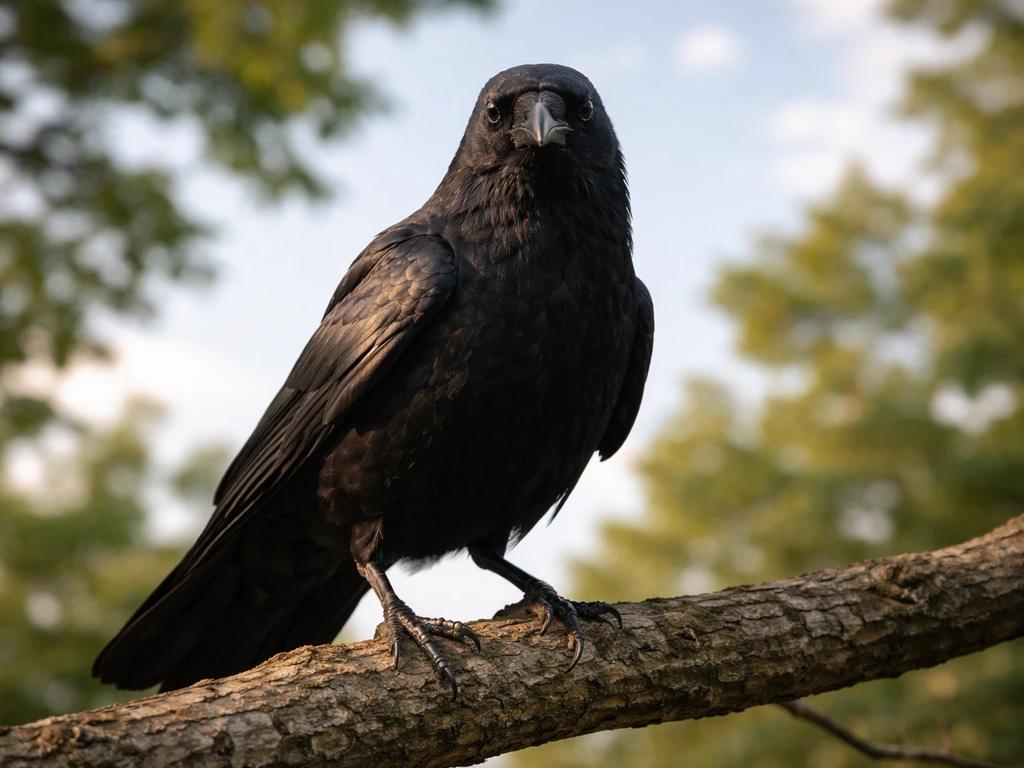
Yes, in most of North America crows are legally protected birds. The American Crow (Corvus brachyrhynchos) is listed on the federal Migratory Bird Treaty Act (MBTA) protected species list, codified at 50 CFR § 10.13. That means it is illegal, at the federal level, to kill, capture, harass, possess, or harm an American Crow without a permit. The protection extends further than just the bird itself: under 50 CFR § 10.12, "migratory bird" is defined to include any part, nest, or egg of a listed species, so disturbing an active nest is also a federal matter. Criminal penalties under 16 U.S. Code § 707 can include fines and the forfeiture of equipment used in a violation. In other countries the picture differs (more on that below), but if you are in the United States and wondering whether you can legally shoo, trap, shoot, or relocate a crow, the short answer is: not without a permit.
"Protected" in plain English means three things. First, direct take is prohibited, meaning you cannot intentionally kill, injure, capture, or pursue the bird. Second, incidental harm and harassment are also restricted, so repeated chasing or destroying a nest site can trigger liability. Third, possession is controlled, meaning you cannot keep a crow, its feathers, or its eggs, even if you found them. These rules exist to prevent population-level damage to species that migrate across national borders and whose conservation requires international cooperation.
Are crows true birds? Clearing up the basics
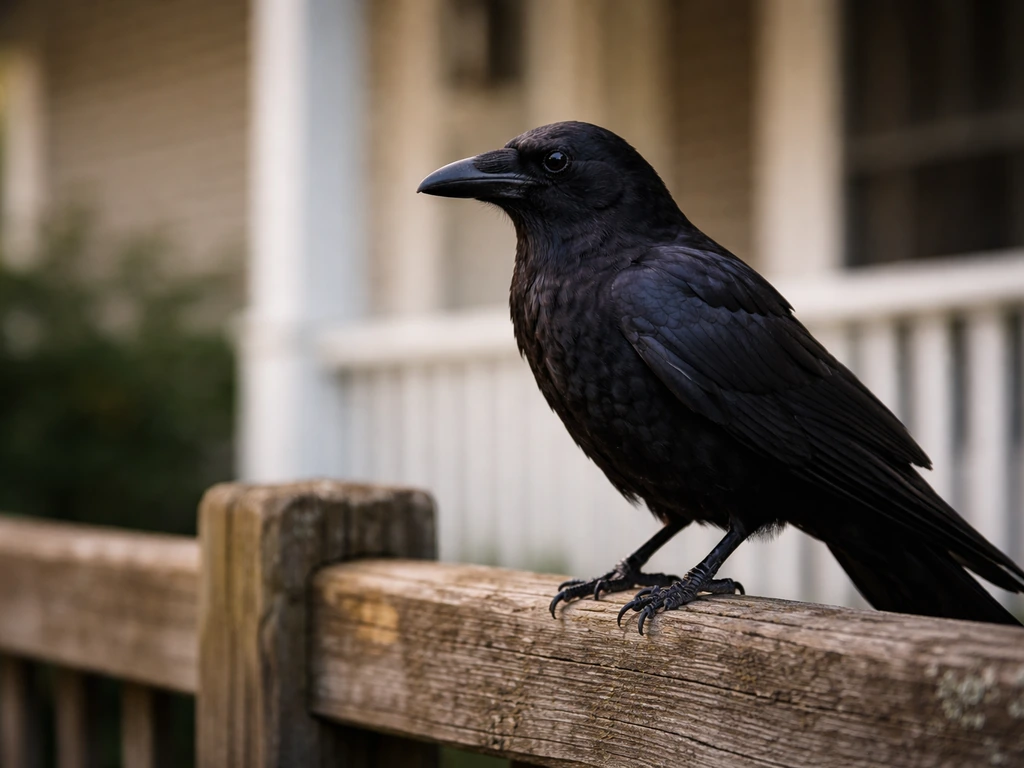
Before diving deeper into the legal side, it is worth confirming the obvious: crows are absolutely real birds. They belong to class Aves, order Passeriformes (perching birds), family Corvidae, and genus Corvus. They have feathers, beaks, hollow bones, and warm blood. They hatch from eggs and their forelimbs are wings. There is no taxonomic debate here. If you have been searching "is a crow a bird" because someone told you otherwise, you can put that to rest.
This matters for the legal question because broad bird-protection laws like the MBTA apply to birds in the scientific sense. A crow is not a mammal, not a reptile, not a mascot, and not a mythical creature. Because a crow is a bird or animal, the protections in bird-conservation laws can apply to it even if you only know it by everyday name. It is a bird, and a highly intelligent one. That classification is precisely why it falls under avian protection statutes in the first place.
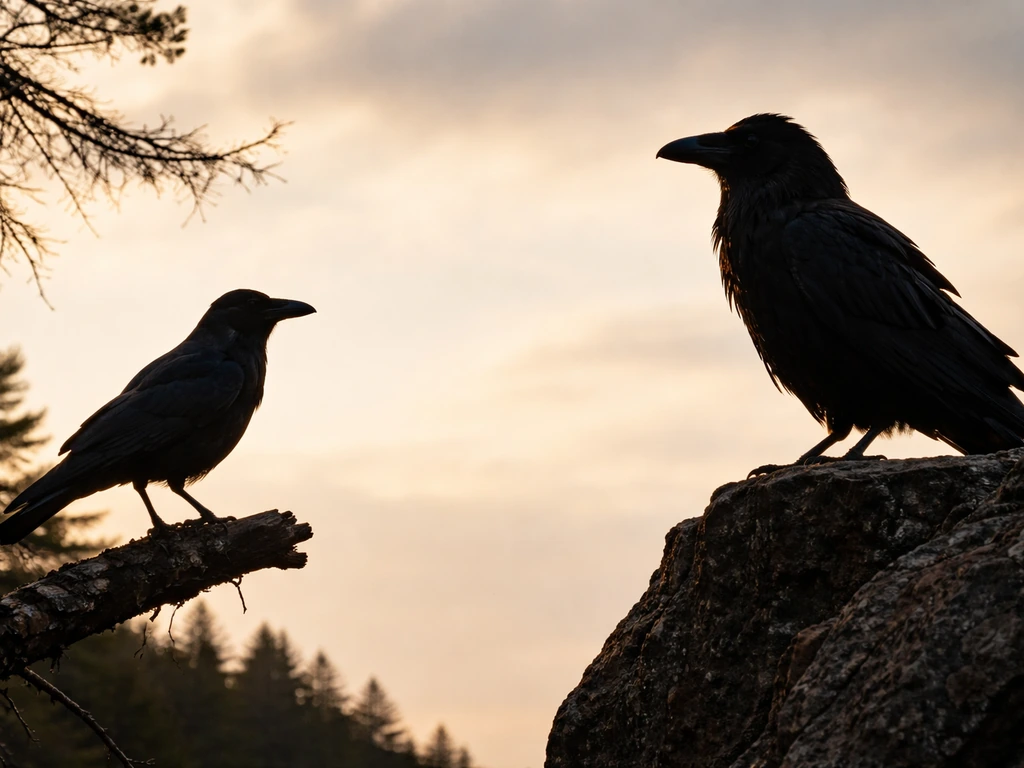
One common point of confusion: people sometimes <a data-article-id="0EDF7066-0525-41EA-9F00-A40F2DE0049A">mistake ravens for crows</a> or vice versa, which is relevant because ravens (Corvus corax) are also listed under the MBTA. One common point of confusion: people sometimes mistake ravens for crows or vice versa, which is relevant because ravens are also covered when you ask are ravens a protected bird. Ravens are also a kind of corvid, and they come with similar bird-protection rules under the MBTA mistake ravens for crows. The two species are closely related but distinct. Ravens are larger, have wedge-shaped tails, deeper voices, and shaggier throat feathers. Misidentifying one for the other does not change your legal obligations much, since both are protected, but it is worth knowing they are separate species. The crow-versus-raven question comes up enough that it deserves its own treatment.
Which crow species are actually covered?
"Crow" is not a single species. The Corvus genus contains around 45 species worldwide, and casual conversation uses "crow" loosely. If you are in the United States or Canada, the bird you almost certainly mean is one of these:
- American Crow (Corvus brachyrhynchos): the most widespread crow in the continental U.S. and Canada, listed on the MBTA protected list at 50 CFR § 10.13.
- Fish Crow (Corvus ossifragus): found in the eastern and southeastern U.S., also MBTA-listed.
- Northwestern Crow (Corvus caurinus): found in the Pacific Northwest coastal areas, also MBTA-listed.
- Tamaulipas Crow (Corvus imparatus): a Mexican species that crosses into the extreme southern tip of Texas on occasion, also MBTA-listed.
- Common Raven (Corvus corax): technically not a crow, but close enough that it confuses people regularly, and it is also MBTA-listed.
If you are outside North America, different species apply. In the UK, the Carrion Crow (Corvus corone) and the Hooded Crow (Corvus cornix) are covered under the Wildlife and Countryside Act 1981, though with different rules about control than in the U.S. In Australia, several native corvids (Australian Raven, Torresian Crow, Little Crow, and others) are protected under the Environment Protection and Biodiversity Conservation Act 1999 and state-level wildlife legislation. The principle is consistent globally: native corvid species are generally protected, but the exact rules, permit processes, and exceptions vary significantly by jurisdiction.
How protection varies by where you live

Federal protection is a floor, not a ceiling. In the United States, the MBTA sets the baseline, but individual states can layer additional protections on top. Some states have their own endangered or threatened species lists that may add restrictions. A few states also regulate what counts as a nuisance bird and under what conditions limited lethal control is allowed, typically only through depredation permits issued by the U.S. Fish and Wildlife Service (USFWS) or a state wildlife agency.
There is also an important nuance baked into the MBTA itself: crows, under certain conditions, can be controlled without a permit during specific seasons if they are causing agricultural damage or threatening public health and safety. This exception is narrow and specific, not a blanket license to remove crows whenever they are annoying. The details are found in 50 CFR Part 21, and misreading this exception has gotten people into legal trouble.
| Location | Primary Law / Framework | General Status | Key Notes |
|---|
| United States | Migratory Bird Treaty Act (50 CFR § 10.13) | Protected federally | Limited control via USFWS depredation permits; state rules may add restrictions |
| Canada | Migratory Birds Convention Act 1994 | Protected federally | Similar framework to U.S. MBTA; provincial rules vary |
| United Kingdom | Wildlife and Countryside Act 1981 | Protected, with licensed exceptions | General Licences may allow control under specific conditions; check Natural England / NatureScot rules |
| Australia | EPBC Act 1999 + state wildlife acts | Protected under state law | Species vary by region; permits required for any control |
| European Union | EU Birds Directive (2009/147/EC) | Protected across member states | Member states may allow derogations under specific conditions |
The biggest practical takeaway from this table: even in places where exceptions exist, those exceptions require permits or operate under a general licence framework. Assuming you can act without checking is the most common mistake people make.
How to check your exact local rules in a few minutes
You do not need a lawyer to figure out the rules in your area. Here is a straightforward process:
- Start with your national wildlife agency. In the U.S., go to the USFWS website (fws.gov) and search for "MBTA protected species list" or use their migratory bird permit search. In Canada, use Environment and Climate Change Canada. In the UK, start with Natural England, NatureScot, or Natural Resources Wales depending on your country within the UK.
- Search for your state or provincial wildlife agency next. In the U.S., every state has a Department of Fish and Wildlife (or similar name). Search "[your state] crow depredation permit" or "[your state] protected birds list" and you will land on the right page quickly.
- Look specifically for depredation or nuisance wildlife permits if you are dealing with property damage. These are the permits that allow limited control of otherwise-protected species when they cause documented harm.
- If you are a farmer or orchard owner dealing with crop damage, look for agricultural depredation permits specifically. The USFWS has a Migratory Bird Depredation Order system that may cover your situation without requiring a full individual permit.
- When in doubt, call your local wildlife agency office directly. They deal with these questions constantly and can give you jurisdiction-specific guidance in a single phone call.
What to do with a nest, an injured crow, or a nuisance situation
Found an active crow nest
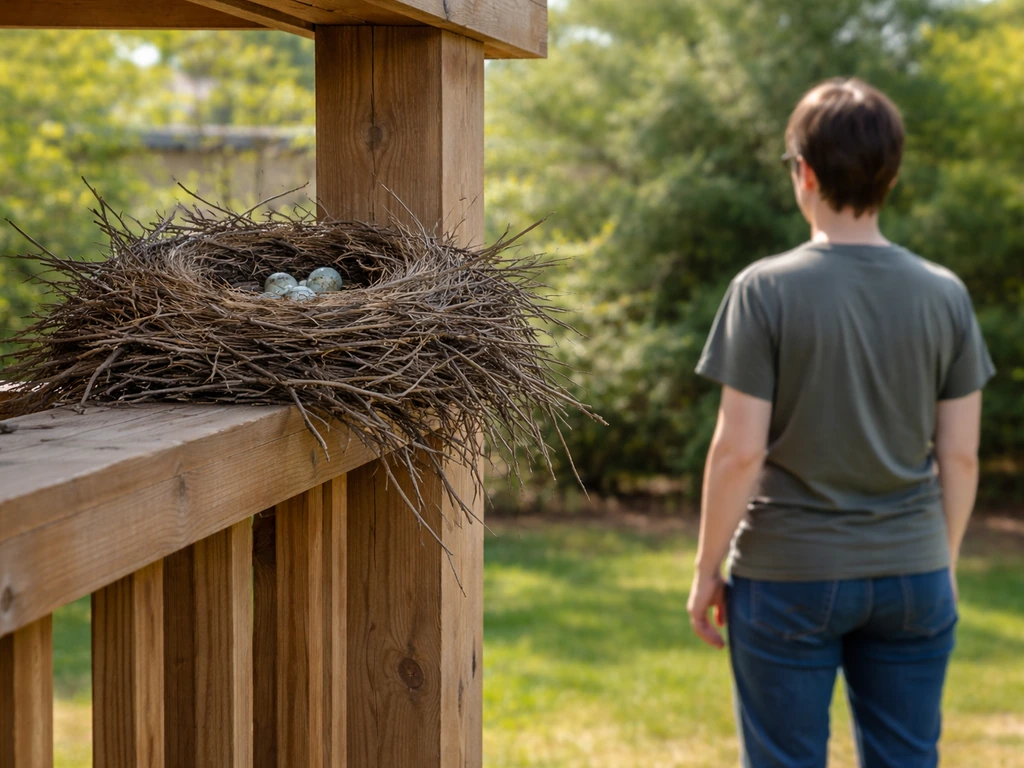
Do not disturb it. Under the MBTA, "any part, nest, or egg" of a listed species is protected. If a crow has built a nest on your property, including on your porch, fence, or vehicle, you cannot legally remove it while it contains eggs or chicks. The practical move is to wait out the nesting season (crows typically fledge their young within about 5 weeks of hatching, and nesting season runs roughly from March through July depending on your region). Once the nest is confirmed empty and the season is over, you can remove it and then take steps to discourage future nesting in that exact spot.
Found an injured crow
Do not try to care for it yourself unless you hold a wildlife rehabilitation permit. Possessing a wild crow, even to nurse it back to health with good intentions, is a federal violation under the MBTA. The correct step is to contact a licensed wildlife rehabilitator. In the U.S., you can find one through the National Wildlife Rehabilitators Association (nwrawildlife.org) or your state wildlife agency's online directory. Most areas have a local rehabber who handles corvids. You can temporarily contain the bird in a box with air holes to keep it safe while you make calls, but get it to a licensed rehabber as quickly as possible.
Dealing with nuisance crows or property damage
Crows are smart and adaptable, which means they are also occasionally maddening neighbors. Crows are also sometimes described as scavenger birds, so if you are wondering is crow a scavenger bird, that behavior can explain why they show up around garbage. If they are raiding garbage, harassing other wildlife, or roosting in huge numbers and creating noise or mess, your options depend on whether you want to deter them or seek a permit for more active control. Deterrence is almost always the easier path and does not require any permits. For serious agricultural or property damage, a depredation permit through USFWS is the legal route for lethal control. Do not skip the permit step and assume you are within a "pest control" exception. That assumption has resulted in federal fines.
Legal and safe ways to handle crow problems
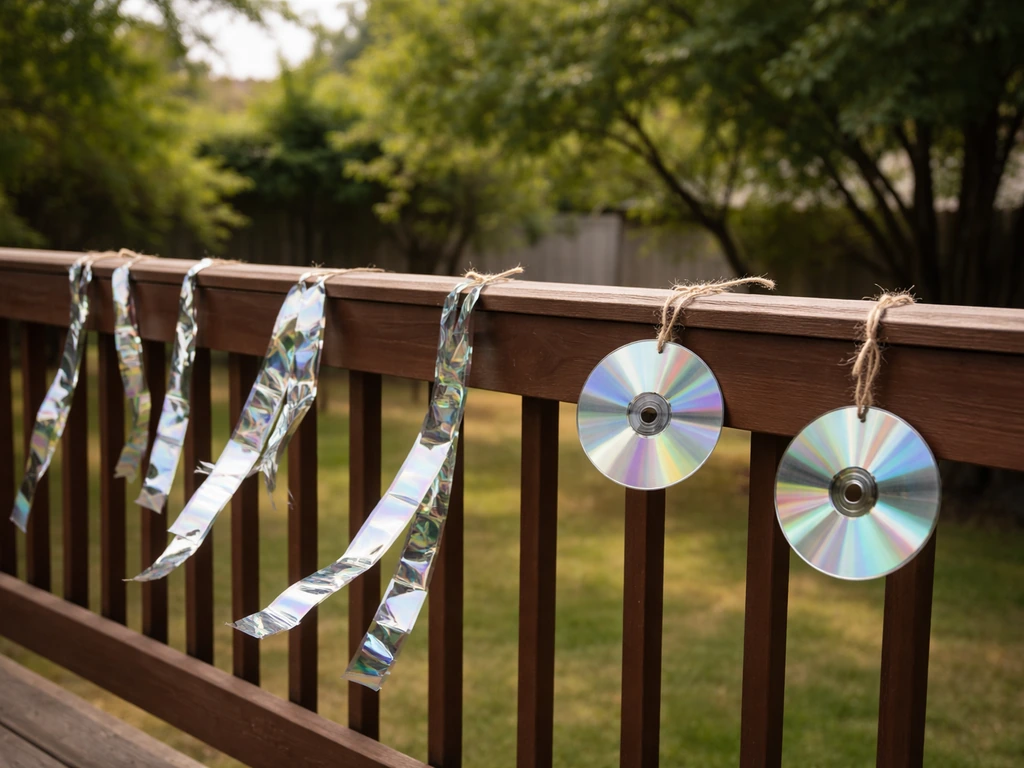
If you are dealing with crow-related problems and want to stay on the right side of the law, here are the tools that actually work and require no permits:
- Reflective deterrents: Mylar tape, old CDs, or commercial bird-scare tape hung near problem areas disrupts crow comfort without harming them.
- Predator decoys: Plastic owl or hawk decoys can deter crows temporarily. Move them every few days so the crows do not get used to them.
- Noise deterrents: Pyrotechnic bird bangers, propane cannons, or distress call recordings (available from pest control suppliers) are legally usable and effective for large roost dispersal.
- Exclusion netting: For gardens, fruit trees, or specific structures, physical netting keeps crows out of the area entirely without harming them.
- Habitat modification: Remove food attractants first. Crow problems are almost always worse where there is an easy food source. Secure garbage cans, remove pet food from outside, and eliminate standing water if large numbers are congregating.
- Contact a pest management professional: A licensed pest management professional familiar with wildlife laws can implement deterrence programs for larger properties without putting you in legal jeopardy.
- Apply for a depredation permit: If deterrence is not enough and documented damage is occurring, contact your regional USFWS office or state wildlife agency to apply for a permit that allows limited lethal control under supervision.
One thing worth emphasizing: crows are genuinely intelligent animals with complex social behavior, and in most scenarios deterrence solves the problem permanently once the food or nesting attractant is removed. Getting frustrated and taking illegal action creates far bigger headaches (legal ones) than the crow ever did.
The bottom line, practical and plain
Crows are real birds, they are protected birds, and the protections are meaningful with real criminal enforcement behind them. If you are wondering about whether a scraper is a bird, it helps to clarify what counts as a bird under the rules before you take any action is a scraper a bird. In the United States, the American Crow is federally protected under the MBTA, which covers the bird, its nest, its eggs, and even its feathers. Similar protections apply in Canada, the UK, Australia, and across the EU. The rules are not impossible to work around when you have a legitimate problem. There are permits, depredation orders, and licensed rehabilitators designed specifically for common real-world situations. The key is to check your local rules before you act, not after. A five-minute search on your state or national wildlife agency's website will tell you exactly what is allowed where you live, and a phone call to a local wildlife officer will answer anything the website does not. Do that first, and you will avoid a lot of unnecessary stress.